
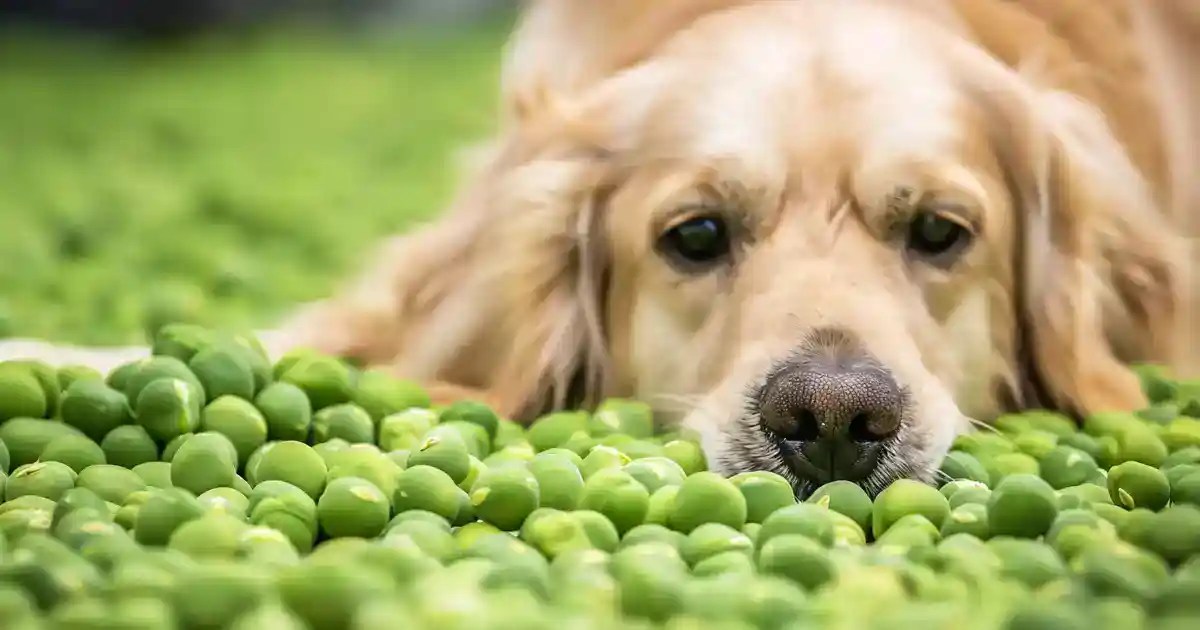
Have you ever wondered whether those bright green peas you’re adding to your dinner are safe to share with your dog watching hopefully from under the table? I used to think all vegetables were automatically perfect for dogs until I discovered the surprising truth about peas that completely changed how I approach supplementing my dog’s diet. Now when friends casually add peas to their dog’s food without understanding the full picture, I share what I’ve learned about the genuine benefits and recent concerns that every responsible dog owner should know. Trust me, if you’ve been giving your dog peas without knowing about the potential DCM connection or avoiding them entirely because you heard legumes are dangerous, this comprehensive guide will give you the confidence to make truly informed decisions about whether peas belong in your dog’s bowl.
Here’s the Thing About Peas and Dogs
Here’s the magic that makes peas such an interesting topic in canine nutrition: peas are packed with beneficial nutrients and are generally safe for dogs in moderation, but recent research has raised important questions about legume-heavy diets and heart health. The secret to safely including peas is understanding that small amounts as treats or supplements differ dramatically from diets where peas and other legumes replace traditional protein sources. I never knew this distinction could be so critical until I researched why veterinary cardiologists started investigating connections between grain-free, legume-heavy diets and dilated cardiomyopathy (DCM).
What makes this knowledge so powerful is how it reveals that even healthy foods require context and moderation—”good for dogs” isn’t an absolute when quantity and dietary balance matter tremendously. According to research on canine dietary requirements, dogs need complete and balanced nutrition with appropriate ratios of animal-based proteins, fats, and essential nutrients that vegetables alone cannot provide. It’s honestly more nuanced than I ever expected, though no veterinary degree is needed to understand the key principles about safe pea inclusion.
The combination of protein, fiber, vitamins, and minerals in peas creates genuine nutritional benefits for supplementation, but the plant-based protein and potential anti-nutritional factors also present considerations for certain dogs (took me forever to realize this). What makes peas particularly relevant right now is their prominence in grain-free commercial dog foods, leading many owners to question whether these foods remain safe given emerging research. Dogs absolutely can benefit from properly portioned peas as occasional treats, but understanding the “how much” and “in what context” separates safe supplementation from potential health concerns.
What You Need to Know – Let’s Break It Down
Understanding pea varieties and their nutritional profiles is absolutely crucial for making informed decisions about including them in your dog’s diet. Don’t skip learning about the different types of peas, because these distinctions affect both nutrition and safety. Garden peas (English peas), sugar snap peas, and snow peas are all safe for dogs when prepared properly, offering slightly different nutritional compositions and textures (game-changer, seriously).
Garden peas are the classic round green peas most commonly found in grocery stores, containing approximately 81 calories per cup with 5.4 grams of protein and 5.5 grams of fiber. I finally figured out why veterinarians often recommend them after learning they provide vitamins A, C, K, and several B vitamins, plus minerals like iron, zinc, potassium, and magnesium. These nutrients support immune function, vision, bone health, and overall cellular processes in dogs.
Sugar snap peas and snow peas contain similar nutrients but with edible pods that add extra fiber and satisfying crunch. The pods are perfectly safe for dogs and provide additional texture variety that many dogs enjoy. Fresh or frozen peas work beautifully—frozen peas actually retain nutrients well since they’re flash-frozen at peak ripeness, and many dogs love them as crunchy frozen treats.
The protein content in peas deserves special attention because it represents plant-based protein rather than complete animal protein. While peas contain more protein than most vegetables, they lack some essential amino acids that dogs require, making them supplemental protein sources rather than replacements for meat-based proteins. This distinction becomes critically important when evaluating commercial dog foods heavy in peas and other legumes.
Fiber content provides digestive benefits, promoting regular bowel movements and supporting gut health. The soluble fiber in peas can help dogs feel fuller with fewer calories—beneficial for weight management when used appropriately. However, excessive fiber from overfeeding peas can cause gas, bloating, and digestive discomfort.
If you’re just starting to explore safe vegetables for your dog, check out my beginner’s guide to vegetables in dog diets for foundational knowledge about which vegetables provide the best nutritional value and how to introduce them safely.
Yes, peas really work as healthy treats and dietary supplements, and here’s why: they provide substantial nutrition with moderate calories, making them far superior to empty-calorie treats like biscuits or commercial snacks with fillers and additives. I always recommend using peas as occasional treats or small dietary supplements rather than major food components, especially given recent concerns about legume-heavy diets and potential heart health implications.
The Science and Psychology Behind Why This Works
The reason peas work well as supplemental treats comes down to their nutrient density and palatability. Research from leading veterinary nutritionists demonstrates that peas contain beneficial phytonutrients, antioxidants, and essential vitamins that complement commercial dog foods without adding excessive calories. Dogs naturally evolved as omnivores capable of digesting plant materials, making vegetables like peas appropriate dietary additions when used properly.
What makes this different from a scientific perspective is that the conversation around peas has shifted dramatically since 2018 when the FDA began investigating potential links between grain-free diets high in peas, lentils, and other legumes and dilated cardiomyopathy (DCM) in dogs. Traditional approaches assumed plant-based proteins were beneficial substitutes for grains, but emerging evidence suggests that diets deriving significant protein from legumes rather than animal sources may contribute to heart problems in susceptible dogs.
The DCM connection remains under investigation, and causation hasn’t been definitively established. However, several theories exist: peas and legumes may interfere with taurine absorption or synthesis (an amino acid essential for heart function), the plant-based proteins may lack adequate bioavailable amino acids for cardiac health, or the issue may involve complex interactions between multiple dietary factors. Experts agree that until research provides clearer answers, moderation and dietary diversity remain the safest approaches.
The fiber and resistant starch in peas affect canine digestion in complex ways. While moderate fiber supports healthy gut motility and can feed beneficial bacteria, excessive amounts from pea-heavy diets can interfere with nutrient absorption and cause uncomfortable gas production. Understanding these dose-dependent effects explains why small amounts of peas as treats rarely cause problems, while large quantities or legume-based diets may create issues.
The psychological aspect matters for owners navigating conflicting nutritional information. Marketing has successfully positioned grain-free, legume-based foods as premium options, but the reality is that most dogs don’t require grain-free diets unless they have diagnosed grain allergies (which are quite rare). Understanding the science behind these trends prevents falling for marketing over evidence-based nutrition and helps owners make decisions based on their individual dog’s needs rather than trends.
Here’s How to Actually Make This Happen Safely
Start by selecting the right type and preparation of peas for your dog—here’s where I used to mess up by not considering how preparation affects digestibility and safety. Don’t be me—I initially gave my dogs frozen peas straight from the bag without thinking about choking hazards for my smaller dog. Choose fresh, frozen, or canned peas (if canned, only “no salt added” varieties rinsed thoroughly), and consider your dog’s size when deciding on preparation.
First, prepare peas properly to maximize safety and nutrition. This step takes minimal effort but creates lasting benefits for your pet. Fresh peas should be shelled if you’re using garden peas—the pods from regular garden peas are tough and harder to digest than the tender pods of sugar snap or snow peas. Wash all peas thoroughly to remove any pesticide residue or dirt. When done correctly, you’ll know because your peas will be clean, appropriately sized for your dog, and easy for them to chew and swallow safely.
Now for the important part—deciding between raw, cooked, or frozen peas based on your dog’s preferences and needs. Here’s my secret: most dogs love frozen peas as crunchy treats, especially in warm weather, and freezing doesn’t significantly reduce nutritional value. Raw fresh peas work beautifully for dogs who enjoy crisp textures, while lightly steamed peas (2-3 minutes until just tender) are easier to digest for senior dogs or those with sensitive stomachs. My veterinarian taught me this trick: avoid adding any butter, salt, oils, or seasonings—plain peas provide optimal nutrition without unnecessary additives that can harm dogs.
Start with small portions to assess individual tolerance. Don’t worry if you’re just starting out—begin with just 5-10 peas for small dogs, a tablespoon for medium dogs, or two tablespoons for large dogs, then monitor for 24-48 hours for any digestive reactions. Results can vary, but gradual introduction prevents overwhelming your dog’s digestive system with sudden fiber increases.
Follow the 10% rule consistently: treats and dietary additions should never exceed 10% of your dog’s daily caloric intake. For a 30-pound dog eating roughly 700 calories daily, that’s 70 calories available for extras—about 3/4 cup of peas maximum. However, I recommend much smaller amounts (1/4 cup or less daily) to maintain dietary diversity and avoid excessive legume consumption. Every dog has unique nutritional needs, so adjust portions based on your pet’s specific size, age, activity level, and health status.
Consider frequency and context carefully. I’ve learned that offering peas 2-3 times weekly as part of varied treats prevents overconsumption while maintaining nutritional balance. Just like building any healthy dietary habit, moderation and diversity create the best long-term outcomes. Never replace significant portions of complete and balanced dog food with peas—they supplement rather than substitute for nutritionally complete meals.
Common Mistakes (And How I Made Them All)
Learn from my epic failures—I used to give my dogs canned peas without checking the sodium content, completely ignoring fundamental principles that veterinarians recommend about avoiding excess salt in canine diets. Don’t make my mistake of assuming all pea preparations are equally safe—added salt, seasonings, or preservatives transform healthy peas into potentially problematic treats. High sodium intake can contribute to heart problems and hypertension over time, especially concerning for breeds predisposed to cardiac issues.
Another embarrassing error I made was overfeeding peas because I thought “if vegetables are healthy, more must be better,” not understanding that excessive peas can cause significant digestive upset. My dog developed terrible gas and loose stools from too many peas too quickly—the fiber overload overwhelmed her digestive system. The lesson here is that even nutritious foods require appropriate portions and gradual introduction.
The biggest mistake people make is choosing grain-free dog foods heavily based in peas and legumes without understanding the potential DCM concerns or evaluating whether their dog actually needs grain-free nutrition. Be vulnerable and honest—I initially switched to grain-free food thinking it was automatically healthier, not realizing my dogs didn’t have grain allergies and the new formula might pose unnecessary risks. Grains aren’t inherently bad for most dogs, and grain-free doesn’t automatically mean better nutrition.
I’ve also made the mistake of using raw garden pea pods without realizing they’re tougher and less digestible than sugar snap pea pods. While not toxic, they can cause digestive discomfort and may present choking hazards for some dogs. The distinction between pea varieties and their pods matters more than I initially understood.
Another common error is feeding peas to dogs with specific medical conditions without veterinary consultation. Dogs with kidney issues need carefully controlled protein and phosphorus intake, while dogs prone to urinary stones may need to avoid certain vegetables. Just because peas are generally safe doesn’t mean they’re appropriate for every individual dog’s health situation.
When Things Don’t Go as Planned
Feeling overwhelmed because your dog developed gas and bloating after eating peas? You probably need to reduce the amount significantly and introduce more gradually. That’s normal, and it happens with dogs who have sensitive digestive systems or haven’t eaten vegetables regularly. I’ve learned to handle this by starting with just 2-3 peas initially, very slowly increasing over 2-3 weeks—when this happens (and it might), patience with introduction makes everything manageable.
When your dog shows signs of digestive distress like vomiting, diarrhea, or excessive gas after eating peas, don’t stress—just discontinue peas immediately and return to their regular diet. This is totally manageable when you remember that individual dogs tolerate foods differently. I always prepare for the possibility that certain foods won’t work for certain dogs because digestive sensitivity varies enormously between individuals.
If you’re losing motivation to find appropriate treats because peas didn’t work out, try focusing on other dog-safe vegetables like green beans, carrots, or cucumber that may be better tolerated by your specific dog. Progress may feel slow, but discovering what works for your individual pet creates long-term dietary success. When you’re concerned about your dog’s commercial food containing significant peas or legumes, especially if using grain-free formulas, consult your veterinarian about whether switching to a grain-inclusive diet might be advisable given current DCM research.
For dogs who refuse to eat peas regardless of preparation, don’t force it—plenty of other healthy treat options exist. Some dogs simply don’t enjoy certain textures or flavors, and that’s perfectly fine. Focus on finding vegetables and treats your dog actually enjoys rather than insisting on peas specifically.
Advanced Strategies for Next-Level Results
Taking pea supplementation to the next level means understanding how to incorporate them strategically within a nutritionally balanced approach. Advanced pet owners often implement rotation strategies—using peas one week, green beans the next, then carrots, creating vegetable variety that prevents overconsumption of any single food while providing diverse micronutrients. Understanding how different vegetables complement each other nutritionally gives you expert-level control over supplementation.
For those wanting deeper insights, learn about anti-nutritional factors in legumes like phytates and lectins that can interfere with mineral absorption when consumed in large quantities. This knowledge separates casual vegetable feeding from informed nutritional supplementation. What separates beginners from experts is understanding bioavailability—how efficiently dogs absorb nutrients from different food sources—and recognizing that animal-based proteins generally provide superior amino acid profiles for canine health compared to plant-based proteins from peas.
Advanced techniques include using peas in homemade dog treat recipes combined with quality proteins and healthy fats, creating balanced snacks rather than pure vegetable treats. When you can formulate complete homemade meals that include peas in appropriate ratios alongside animal proteins, healthy fats, and essential supplements under veterinary nutritionist guidance, you’ve reached nutritional management mastery.
Consider using peas as training treats for dogs requiring weight management—the low calorie density compared to commercial treats allows more frequent rewards without excessive caloric intake. Calculate your dog’s precise training treat budget based on daily caloric needs, then determine how many peas fit within that allowance for guilt-free, frequent reinforcement during training sessions.
Advanced practitioners also understand the taurine question surrounding DCM concerns. Some add taurine supplements when feeding grain-free or legume-heavy diets, though whether this prevents DCM remains unclear. Working with a board-certified veterinary nutritionist ensures any dietary modifications or supplements are appropriate for your specific dog’s needs.
Ways to Make This Your Own
When I want maximum variety for my dogs, I rotate between fresh garden peas, frozen sugar snap peas, and lightly steamed snow peas throughout the month. For special situations like training sessions, I’ll use individual frozen peas as tiny, low-calorie rewards—this makes intensive reward-based training possible without excessive calories from traditional treats.
My busy-season version focuses on keeping a bag of frozen peas ready for instant treat dispensing with zero preparation time. Sometimes I mix a small amount of peas with their regular food for added nutrition and texture variety, though that’s totally optional for most dogs who receive complete nutrition from quality dog food. For next-level results, I love incorporating peas into homemade dog treat recipes alongside pumpkin, oat flour, and lean ground turkey—creating balanced, nutritious snacks my dogs absolutely love.
The Weight Management Method includes using peas as low-calorie treat replacements for overweight dogs, allowing frequent rewards during training without sabotaging weight loss efforts. The Gentle Introduction Approach starts with just 2-3 peas mixed into regular food, very gradually increasing over several weeks for dogs with sensitive stomachs. The Advanced Strategy involves calculating macronutrient ratios in homemade diets, using peas as supplemental fiber and micronutrients alongside quality animal proteins and veterinary-approved supplements.
Each variation works beautifully with different training needs, weight management goals, and dietary preferences. Budget-conscious approaches include buying frozen peas in bulk—they’re remarkably affordable compared to commercial treats while providing superior nutrition. Parent-friendly versions involve having children measure and dispense peas during training, teaching them about portion control and healthy pet nutrition.
Active-dog versions might include slightly larger pea portions for working dogs needing extra vitamins and antioxidants, while senior-dog approaches focus on steamed peas that are easier on aging teeth and digestive systems.
Why This Approach Actually Works
Unlike simplistic recommendations to freely feed vegetables to dogs, this approach leverages proven veterinary principles about moderation, dietary balance, and informed decision-making based on evolving research. The science behind this method recognizes that while peas provide genuine nutritional benefits, context matters tremendously—small amounts as treats differ dramatically from pea-heavy diets that may pose cardiac concerns.
What makes this different is that we’re addressing both the nutritional chemistry (vitamins, minerals, protein, fiber, anti-nutritional factors) and the emerging research concerns (DCM connections, taurine metabolism, dietary balance) simultaneously. Most resources either declare peas completely healthy without acknowledging current research questions, or unnecessarily alarm owners by suggesting peas are dangerous, missing the nuanced middle ground.
Evidence-based veterinary research shows that peas in moderation provide beneficial nutrition for most healthy dogs, while excessive legume consumption—particularly in grain-free diets where peas replace traditional ingredients—may correlate with increased DCM risk in susceptible dogs. This proven approach creates informed decision-making rather than fear-based avoidance or careless overfeeding, making it far more effective than following oversimplified guidelines.
When you understand that dietary diversity and appropriate portions matter more than any single ingredient being inherently “good” or “bad,” you can strategically use peas when beneficial while maintaining the complete and balanced nutrition your dog requires. This principle applies broadly to canine nutrition—moderation and variety create optimal health outcomes.
Real Success Stories (And What They Teach Us)
I’ve watched countless dog owners successfully incorporate peas into their dogs’ diets using balanced, informed approaches. One friend with an overweight Beagle used frozen peas as primary training treats during a six-month weight loss program, allowing frequent rewards without excessive calories. Her dog lost 12 pounds reaching a healthy weight while maintaining enthusiasm for training—what made her successful was substituting peas for high-calorie treats rather than simply adding them on top of existing food.
Another success story involves a diabetic dog whose owner worked with a veterinary nutritionist to create a carefully balanced homemade diet including measured amounts of peas alongside quality proteins and controlled carbohydrates. The fiber from peas helped stabilize blood sugar levels while providing micronutrients, contributing to excellent diabetes management. His success came from professional guidance ensuring complete nutrition rather than haphazard supplementation.
Their success aligns with research on canine nutrition that shows vegetables can beneficially supplement complete and balanced diets when used appropriately. Different dogs respond differently—some love peas and tolerate them perfectly, while others experience gas or digestive upset requiring alternative treats. The lesson here is that observation and willingness to adjust based on individual response creates better outcomes than assuming any single approach works universally.
I’ve also seen dogs with food sensitivities benefit from peas as novel treats when eliminating problematic proteins or grains, providing safe reward options during elimination diet trials. This demonstrates how peas can serve specific purposes beyond general supplementation when used strategically under veterinary guidance.
Tools and Resources That Actually Help
The best resources come from board-certified veterinary nutritionists and evidence-based canine dietary research. I personally reference the FDA’s ongoing investigation updates about diet-associated dilated cardiomyopathy, which provides the most current information about legume-heavy diets and heart health concerns. Staying informed about evolving research helps make better dietary decisions for your dog.
For nutritional calculations, the Pet Nutrition Alliance’s calorie calculator helps determine your dog’s specific daily needs based on ideal body weight and activity level, allowing accurate portion control for treat additions like peas. These tools work beautifully because they provide personalized calculations rather than generalized guidelines that may not suit your dog’s individual situation.
The Tufts University Cummings School of Veterinary Medicine Clinical Nutrition Service publishes excellent, research-based information about canine nutrition, including detailed discussions of grain-free diets and DCM concerns. The World Small Animal Veterinary Association (WSAVA) provides guidelines for selecting commercial dog foods, helping owners identify products from companies following rigorous nutritional and safety standards.
Books like “Canine Nutrigenomics” by Dr. Jean Dodds and Diana Laverdure-Dunetz explore how specific nutrients affect dogs at genetic and cellular levels, though they require some scientific background to fully appreciate. Your own veterinarian or a board-certified veterinary nutritionist remains your most valuable resource for dietary questions specific to your dog’s health status, breed predispositions, and individual needs.
Kitchen tools matter for accurate portioning. Measuring spoons and small cups ensure consistent pea portions that align with the 10% treat rule. Food storage containers keep fresh peas refrigerated properly (use within 3-4 days of shelling) or frozen peas organized and accessible for convenient dispensing.
Questions People Always Ask Me
Can dogs eat frozen peas?
Yes, dogs can absolutely eat frozen peas, and many dogs love them as crunchy, refreshing treats. Frozen peas retain excellent nutritional value since they’re flash-frozen at peak ripeness, preserving vitamins and minerals effectively. You can serve them straight from the freezer—the cold, crunchy texture appeals to many dogs, especially in warm weather—or thaw them first if your dog prefers softer textures. Frozen peas are incredibly convenient since they require zero preparation and stay fresh in your freezer for months. Just ensure you’re buying plain frozen peas without added salt, butter, sauces, or seasonings. Start with small amounts to ensure your dog doesn’t have difficulty chewing frozen peas, particularly for smaller dogs or those with dental issues.
How many peas can I give my dog daily?
The safe amount depends on your dog’s size and total caloric needs, following the 10% treat rule. For small dogs under 20 pounds, limit peas to about 1-2 tablespoons daily. Medium dogs (20-50 pounds) can have approximately 2-4 tablespoons, while large dogs over 50 pounds might handle up to 1/4 cup. However, I recommend even smaller amounts (just a few tablespoons regardless of size) to maintain dietary diversity and avoid excessive legume consumption given current DCM research concerns. Peas should be occasional treats or small supplements 2-3 times weekly rather than daily large portions. Always account for peas in your dog’s total daily caloric intake, reducing regular food slightly if adding substantial vegetable portions to prevent weight gain.
Are sugar snap peas and snow peas safe for dogs?
Yes, both sugar snap peas and snow peas are perfectly safe for dogs and offer similar nutritional benefits to garden peas. The edible pods provide additional fiber and satisfying crunch that many dogs enjoy. These varieties work beautifully as whole treats since the tender pods are easily digestible, unlike the tough pods of regular garden peas. Simply wash thoroughly, remove any string along the seam if present (though many modern varieties are stringless), and cut into appropriate sizes for your dog—whole for large dogs, halved or quartered for smaller dogs to prevent choking. Some dogs actually prefer the crunchier texture of these pea varieties over regular garden peas, making them excellent training treats or snacks.
Can dogs eat canned peas?
Dogs can eat canned peas only if you choose “no salt added” or “low sodium” varieties and rinse them thoroughly under running water to remove any residual sodium or preservatives. Regular canned peas contain excessive salt that can harm dogs, particularly those with heart or kidney conditions or breeds predisposed to these issues. Even with low-sodium options, fresh or frozen peas are nutritionally superior choices since canning can reduce some vitamin content and the process often involves additives. If convenience drives you toward canned peas, read labels meticulously and avoid any with added seasonings, sugar, or preservatives beyond necessary canning agents. When in doubt, frozen peas offer similar convenience with better nutrition.
Are peas linked to heart disease in dogs?
Research is ongoing, but since 2018 the FDA has investigated potential connections between grain-free diets high in peas, lentils, and other legumes and dilated cardiomyopathy (DCM) in dogs. The investigation hasn’t established definitive causation, but correlations exist between certain diets and increased DCM cases in breeds not typically predisposed to this heart condition. Several theories exist: legumes may interfere with taurine absorption or synthesis (essential for cardiac health), plant-based proteins may lack adequate bioavailable amino acids, or complex dietary interactions may be involved. Current veterinary consensus suggests that small amounts of peas as treats pose minimal risk, while diets deriving substantial protein from legumes rather than animal sources may be more concerning. If you’re feeding grain-free food, discuss alternatives with your veterinarian, especially if your dog is a breed at higher DCM risk.
Can puppies eat peas?
Yes, puppies can eat small amounts of peas once they’re fully weaned and eating solid food, typically around 8 weeks old. Start with just 2-3 peas to ensure proper tolerance since puppy digestive systems are still developing. I recommend lightly steaming peas for puppies to make them easier to chew and digest compared to raw or frozen peas. Keep portions tiny—puppies need nutrient-dense, calorie-rich food formulated for growth, so peas should be very occasional treats rather than regular supplements. Never use peas as training treats for puppies who need calorie-dense rewards to support their growth. Focus on age-appropriate puppy food meeting AAFCO standards for growth as their primary nutrition, using peas sparingly if at all.
Do peas provide complete protein for dogs?
No, peas contain incomplete plant-based protein that lacks some essential amino acids dogs require. While peas contain more protein than most vegetables (about 5 grams per cup), this protein doesn’t provide the complete amino acid profile found in animal-based proteins like chicken, beef, or fish. Dogs are omnivores but require substantial animal protein for optimal health—peas can supplement but never replace quality meat-based proteins in your dog’s diet. This distinction becomes critically important when evaluating commercial dog foods where peas and legumes are used as primary protein sources rather than supplements. Always ensure your dog’s diet is based on quality animal proteins with vegetables like peas serving as beneficial additions rather than protein foundations.
What’s the difference between peas in dog food versus peas as treats?
The primary difference is quantity and dietary context. A few peas given as treats represent a tiny fraction of daily intake and pose minimal concern, while dog foods listing peas as one of the first ingredients mean peas constitute a substantial portion of the diet. Commercial foods high in peas and legumes—particularly grain-free formulas using these ingredients as primary protein and carbohydrate sources—are at the center of DCM research concerns. Occasional peas as treats supplement a complete diet without dramatically altering overall nutritional balance. If your dog’s food contains significant peas, consider whether it’s necessary (most dogs don’t require grain-free nutrition) or whether switching to a grain-inclusive formula might be advisable given current research. Always choose foods from reputable manufacturers following WSAVA guidelines and ideally those that have undergone feeding trials.
Can diabetic dogs eat peas?
Peas can be appropriate for diabetic dogs in small amounts when included as part of a carefully managed diabetic diet, but always consult your veterinarian first. Peas contain carbohydrates that affect blood glucose, but their fiber content helps slow sugar absorption, potentially moderating blood sugar spikes compared to simple carbohydrates. The moderate glycemic load makes peas relatively safer than high-glycemic vegetables or fruits. However, every diabetic dog has individual needs requiring precise carbohydrate control and consistent feeding schedules. Never add new foods to a diabetic dog’s diet without professional guidance, and monitor blood glucose levels when introducing any dietary changes. Your veterinarian may approve small amounts of peas as low-calorie treats that don’t significantly disrupt diabetes management if they fit within your dog’s overall dietary plan.
What should I do if my dog ate a large amount of peas?
Monitor your dog closely for digestive upset over the next 24-48 hours. Large amounts of peas can cause gas, bloating, abdominal discomfort, and diarrhea due to the sudden fiber load overwhelming the digestive system. Ensure your dog has access to plenty of fresh water, as fiber requires adequate hydration for proper processing. Most dogs will experience only temporary discomfort that resolves within a day or two as the excess fiber passes through their system. Contact your veterinarian if symptoms are severe, persist beyond 48 hours, or include repeated vomiting, extreme lethargy, loss of appetite, or signs of intestinal obstruction (though this would be extremely rare with peas). For future prevention, store peas securely out of your dog’s reach and educate family members about appropriate portions to prevent accidental overfeeding.
Are peas better than other vegetables for dogs?
Peas aren’t necessarily “better” than other vegetables—different vegetables offer different nutritional profiles, and variety is typically ideal. Peas provide excellent protein (for a vegetable), fiber, and vitamins, but green beans offer fewer calories for weight management, carrots provide more beta-carotene for vision and immune health, and sweet potatoes deliver higher vitamin A content. The best approach includes rotating various dog-safe vegetables to provide diverse micronutrients while preventing overconsumption of any single food. Current DCM research concerns suggest that diversity is particularly important regarding legumes—if using peas, balance them with non-legume vegetables and ensure your dog’s primary nutrition comes from quality animal-based proteins. No single vegetable is perfect; variety and appropriate portions create optimal nutritional supplementation.
Can dogs with kidney disease eat peas?
Dogs with kidney disease require carefully controlled protein and phosphorus intake, making dietary additions like peas a question for your veterinarian rather than a general recommendation. Peas contain moderate protein and phosphorus levels that may or may not fit within your dog’s specific therapeutic diet requirements depending on their disease stage and individual needs. Some veterinarians may approve small amounts of peas for dogs with early kidney disease, while others may recommend avoiding them to maintain precise nutritional control. Never add foods to a kidney disease diet without professional guidance, as these dogs require specialized nutrition for managing their condition. Therapeutic kidney diets are formulated with specific protein, phosphorus, and sodium ratios that shouldn’t be disrupted by well-meaning but inappropriate supplementation.
Before You Get Started
I couldn’t resist sharing this because it proves how critical staying informed about evolving nutritional research is for making the best decisions for your dog’s health. The best canine nutrition journeys happen when you balance evidence-based knowledge with careful observation of your specific dog’s individual responses—that’s when supplementation enhances health rather than inadvertently creating problems. Ready to make truly informed decisions about peas for your dog? Start by evaluating your dog’s current diet (if feeding grain-free legume-heavy food, discuss alternatives with your veterinarian), then if appropriate, introduce just a few peas as treats, monitor carefully for tolerance, and maintain moderation and dietary diversity moving forward. Every thoughtful choice you make contributes to your dog’s long-term wellbeing, and knowing the complete truth about peas—both benefits and concerns—means you can navigate this common question with confidence, wisdom, and genuine commitment to your dog’s optimal health.




