
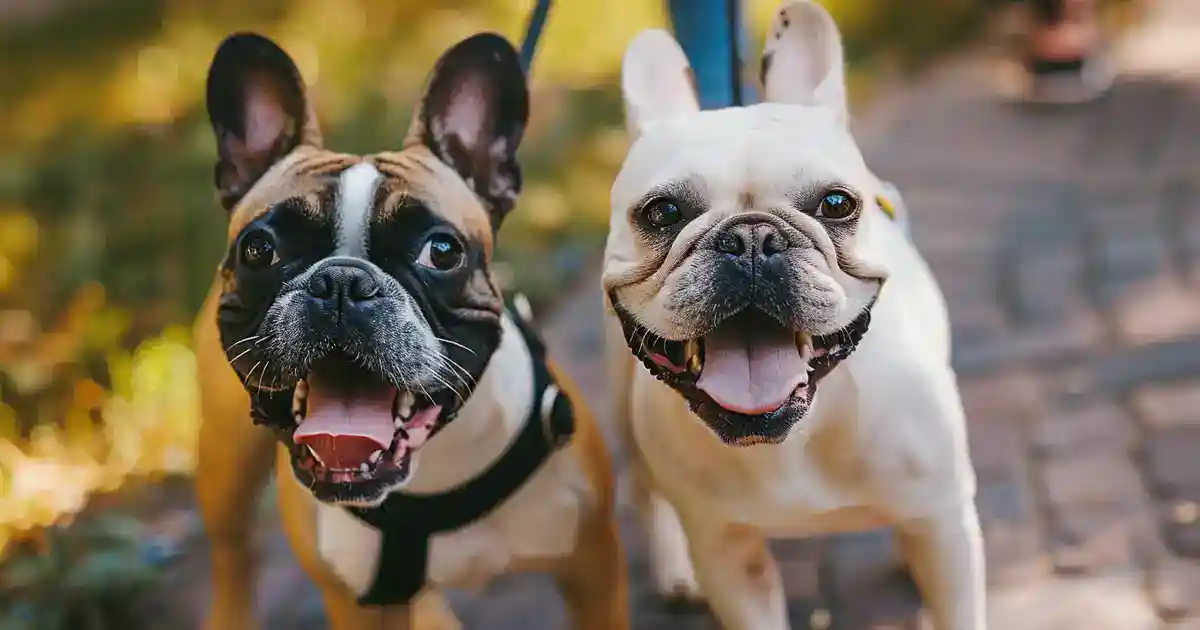
Have you ever wondered why your perfectly calm dog suddenly starts panting like they just ran a marathon when they’ve been lounging on the couch all day?
Here’s the thing I discovered after years of observing canine behavior and consulting with veterinarians: panting isn’t just about being hot or tired—it’s actually one of the most sophisticated communication and regulation systems dogs have. When I first noticed my dog panting heavily for seemingly no reason, I panicked and rushed to the vet, only to learn it was completely normal stress relief after a loud thunderstorm. Now, after understanding the subtle differences between normal and concerning panting, friends constantly ask how I stay so calm and know exactly when intervention is needed. Trust me, if you’re worried about whether your dog’s panting is normal or if you’re missing critical warning signs, this guide will show you it’s more understandable than you ever expected.
Here’s the Thing About Dog Panting
The magic behind panting lies in understanding that dogs don’t sweat like humans—they have very few sweat glands, mostly located in their paw pads. Their primary cooling mechanism involves rapid, shallow breathing that evaporates moisture from their tongue, mouth, and respiratory tract. This combination creates amazing temperature regulation when working properly: efficient cooling, emotional regulation, and physical recovery. It’s honestly more sophisticated than I ever expected once you understand the multiple purposes panting serves.
What makes this work is recognizing that panting serves at least four distinct functions: thermoregulation (cooling down), stress response (emotional processing), pain management (discomfort signaling), and respiratory efficiency (oxygen intake during exertion). According to research on canine thermoregulation and physiology, dogs evolved this highly effective cooling system that allows them to regulate body temperature in ways fundamentally different from humans. The approach requires observation—noting context, intensity, duration—but no complicated systems needed. I never knew understanding panting could be this simple once I learned the basic patterns that experienced dog owners recognize instinctively.
What You Need to Know – Let’s Break It Down
Understanding normal panting triggers is absolutely crucial, and here’s what changed my perspective: healthy panting occurs after exercise, during warm weather, when excited or happy, or as a mild stress response. Don’t skip learning these baseline patterns—they’re your reference point for recognizing when something’s actually wrong.
Panting mechanics took me forever to realize, but they’re the foundation of recognizing problems. Normal panting involves an open mouth with tongue hanging out, regular breathing rhythm (typically 10-40 breaths per minute at rest, up to 200-300 during panting), relaxed facial expression, and even, steady pattern. The observable pattern works beautifully: if your dog can easily stop panting when they calm down or cool off, it’s usually normal. Yes, this observation really works, and here’s why—it distinguishes voluntary cooling from involuntary respiratory distress.
Context matters more than most beginners realize. I always recommend considering what happened immediately before panting started because everyone sees better results when they connect behavior to triggers. Did your dog just play? Are they in a warm environment? Did something startle them? Was there a recent change in routine or environment?
The breed considerations (game-changer, seriously) include recognizing that brachycephalic breeds (bulldogs, pugs, Boston terriers) pant more frequently and heavily due to compressed airways. From experience, what’s normal for a pug might indicate distress in a greyhound. Large, thick-coated breeds pant more in warm weather than short-haired breeds.
If you’re just starting out with understanding canine body language and health signals, check out my beginner’s guide to reading dog behavior for foundational techniques that apply to interpreting all physical and emotional signals.
The Science and Psychology Behind Why This Works
Research from veterinary physiologists demonstrates that panting effectively dissipates heat through evaporative cooling—as air passes over the moist surfaces of the mouth and respiratory tract, water evaporates and removes heat from the body. Studies published in veterinary journals show that dogs can increase respiratory rate significantly without increasing effort, making panting remarkably energy-efficient for temperature regulation.
What makes this different from a scientific perspective is understanding that panting also serves psychological functions. Dogs pant when stressed or anxious as a self-soothing mechanism, similar to how humans might take deep breaths during stressful situations. Traditional approaches often fail because they only consider panting as a heat response, missing the emotional and pain-related components.
The psychological aspect matters too—many dogs pant more in anticipation of positive events (car rides, mealtime) due to excitement rather than distress. I’ve learned through observation that the context and accompanying body language distinguish happy panting from anxious panting. Research on canine stress responses indicates that panting combined with other stress signals (whale eye, tucked tail, pinned ears) represents anxiety, while panting with relaxed body posture and wagging tail indicates benign excitement or cooling.
Here’s How to Actually Recognize Different Types of Panting
Start by observing normal baseline panting—here’s where I used to mess up by not knowing what was typical for my individual dog. Spend time watching your dog’s breathing patterns during rest, after walks, and during various activities. Your specific dog’s normal becomes your comparison standard.
Now for the important part: identifying cooling panting. My secret is checking the environment and recent activity first. Cooling panting typically occurs during or after exercise, in warm environments, or after vigorous play. Dogs will seek shade or cool surfaces, may drink water readily, and panting gradually decreases as they cool down. This observation takes just minutes but creates lasting recognition skills.
Recognize stress panting strategically by noting context and body language. Stress panting often occurs during vet visits, thunderstorms, fireworks, separation anxiety, or new environments. This panting persists even in cool, calm conditions and typically accompanies other stress signals: pacing, whining, trembling, avoidance behavior, excessive shedding, or dilated pupils. Until you feel completely confident distinguishing stress from cooling panting, monitor the whole-body picture.
Identify concerning panting that requires immediate attention. Don’t be me—I used to think all heavy panting was just heat-related. Warning signs include: excessive panting at rest in cool environments, blue or pale gums, irregular breathing rhythm, labored breathing with pronounced chest/abdominal effort, panting accompanied by lethargy or weakness, sudden onset without obvious trigger, or panting that doesn’t decrease with cooling or rest. Results can vary, but these signs always warrant veterinary evaluation.
Document patterns based on what you observe. My mentor taught me this trick: keep a simple log noting when panting occurs, duration, intensity, triggers, and resolution. Every situation has its own challenges—patterns emerge that help you and your veterinarian identify underlying issues.
Assess emergency situations immediately. When you notice blue/purple gums or tongue, collapse or inability to stand, extreme distress or panicked expression, bloated or rigid abdomen with panting, or panting combined with vomiting/diarrhea, seek emergency veterinary care. This creates the awareness you need to potentially save your dog’s life.
Common Mistakes (And How I Made Them All)
My biggest failure? Assuming all panting was heat-related and missing early signs of my dog’s anxiety disorder. Don’t make my mistake of ignoring behavioral context that experts emphasize—some dogs pant primarily from emotional causes rather than temperature. I learned the hard way when my dog’s “hot weather panting” turned out to be separation anxiety.
Ignoring breed-specific normals nearly caused unnecessary panic attacks. Brachycephalic breeds naturally pant more heavily, and what seemed alarming was actually typical for the breed structure. I’ve since learned to research breed-specific respiratory norms before assuming problems.
Overlooking gradual changes was another subtle mistake. When panting slowly increases over weeks or months, it’s easy to normalize concerning patterns. Progressive panting increases often indicate developing health issues—heart disease, respiratory problems, or hormonal imbalances—that benefit from early intervention.
The misinterpretation of excitement panting caused me to restrict my dog’s enthusiasm unnecessarily. Happy, excited panting with loose body language isn’t concerning—it’s normal emotional expression. I now embrace this rather than trying to calm perfectly normal excitement.
When Things Don’t Go as Planned
Feeling overwhelmed by constant panting? You probably need veterinary evaluation to rule out medical causes. That’s normal, and it happens to many dog owners. Document panting patterns, video episodes if possible, and consult your vet for professional assessment. Don’t stress, just gather information systematically.
Progress stalled with anxiety-related panting? I’ve learned to handle this by working with a veterinary behaviorist who can recommend anxiety management strategies. When this happens (and it will with anxious dogs), the solution usually involves combination approaches: environmental management, behavior modification, possible medication, and stress reduction techniques. This is totally manageable with professional guidance.
Budget concerns making veterinary visits seem impossible? I always prepare for setbacks because life is unpredictable, so I prioritize wellness exams that catch problems early when they’re less expensive to treat. Many vets offer payment plans for unexpected health issues. If you’re losing steam, try community resources like low-cost clinics for initial evaluations.
When anxiety about your dog’s panting fails to resolve, remember why observation matters—tracking visible patterns (when, where, duration, triggers) helps both you and professionals identify whether intervention is needed, resetting your mindset from constant worry to informed monitoring.
Advanced Strategies for Managing Excessive Panting
Environmental optimization represents comprehensive panting management. Ensure adequate cooling options: multiple water stations, shaded rest areas, air conditioning or fans during hot weather, elevated beds for air circulation, and cooling mats for hot days. This approach provides proactive temperature management rather than reactive responses.
Stress reduction protocols that experienced dog owners implement involve identifying and minimizing anxiety triggers when possible. I’ve discovered that desensitization training, calming supplements (after veterinary consultation), anxiety wraps or thunder shirts, predictable routines, and safe spaces create significant reductions in stress-related panting.
Weight management for panting reduction takes health to optimal levels. Overweight dogs pant more because excess body fat insulates and makes cooling inefficient while increasing exertion required for movement. Advanced practitioners often implement gradual weight loss plans that dramatically reduce panting frequency and intensity.
Medical management for underlying conditions separates reactive owners from proactive ones. Dogs with heart disease, respiratory conditions, hormonal imbalances (Cushing’s disease, hyperthyroidism), or chronic pain require specific medical interventions. Working with your veterinarian to address root causes rather than just managing symptoms produces results that environmental changes alone can’t match.
Ways to Make This Your Own
The Proactive Prevention Version focuses on maintaining ideal weight, providing excellent conditioning through appropriate exercise, ensuring adequate hydration, managing environmental temperature, and regular veterinary check-ups. When I want to minimize concerning panting, I implement these foundational practices consistently. Sometimes I add breed-specific considerations, though that’s totally optional based on your dog’s needs.
The Anxiety Management Approach leverages behavioral training, environmental predictability, calming aids, and professional support for dogs whose panting stems primarily from stress. This makes it more intensive emotionally but definitely worth it for quality of life improvements. My busy-season version focuses on maintaining routines even when life gets hectic.
The Senior Dog Method (perfect for aging companions) recognizes that older dogs may pant more due to decreased temperature regulation, developing health conditions, or pain from arthritis. For next-level care, I love combining environmental adaptations with pain management and gentle exercise—gives comfort without complicated interventions.
The Performance Dog Formula for active or working dogs emphasizes conditioning, hydration protocols, heat acclimatization, and recovery strategies. My advanced version includes monitoring for overexertion, strategic exercise timing during cooler parts of day, and recognizing the difference between athletic panting and distress signals.
Each variation works beautifully with different dog needs—find what fits your dog’s age, health status, breed, and lifestyle.
Why Understanding Panting Actually Works
Unlike approaches that dismiss all panting as normal or panic at every breath, proper understanding leverages biological knowledge to distinguish beneficial cooling from concerning distress signals. Dogs evolved panting as their primary thermoregulation mechanism over thousands of years—this system works brilliantly when healthy but provides early warning signs when compromised.
The magic happens through informed observation: recognizing that panting exists on a spectrum from completely normal to life-threatening emergency. Evidence-based assessment demonstrates that when owners understand context, intensity, duration, and accompanying signals, they can provide appropriate responses—whether that’s simply offering water and shade or seeking emergency veterinary care.
What sets this apart from other approaches is respecting individual variation—normal panting for one dog may indicate problems in another based on breed, age, fitness level, and health status. The framework provides structure while allowing customization based on your specific dog’s baseline patterns. I discovered through experience that this informed approach creates better outcomes because it works with veterinary science rather than relying on generalized assumptions.
Real Success Stories (And What They Teach Us)
My neighbor’s Labrador panted excessively even in cool weather, which her owner initially attributed to the dog being warm-natured. After documenting patterns and consulting their vet, they discovered early-stage heart disease. Treatment started months earlier than it might have otherwise, significantly improving the dog’s prognosis. What made her successful was trusting her instinct that something seemed off despite “normal” explanations.
A friend’s rescue dog panted constantly for the first six months after adoption, causing concern about underlying health issues. Comprehensive veterinary workup found no physical problems—the panting was entirely anxiety-related. Implementing behavior modification, creating safe spaces, and maintaining consistent routines reduced panting by 80% within three months. The lesson? Not all excessive panting has medical causes, and addressing emotional needs matters equally.
Another success story involves a bulldog owner who learned to distinguish their dog’s normal heavy breathing (typical for the breed) from genuine respiratory distress. This knowledge prevented unnecessary emergency vet visits while ensuring they recognized and responded appropriately when the dog experienced actual breathing problems during heat exposure. Their success aligns with research showing that breed-specific knowledge improves owner recognition of abnormal versus normal patterns.
These diverse examples teach us that successful panting assessment combines knowledge, observation, veterinary partnership, and willingness to investigate rather than assume.
Tools and Resources That Actually Help
Digital thermometer ($10-20) designed for pets allows accurate temperature checks—I use mine to distinguish fever-related panting from other causes and consider it essential for informed decision-making. Normal dog temperature is 101-102.5°F; anything above 103°F warrants attention.
Video recording capability on your phone documents panting episodes perfectly for veterinary consultation. Vets can assess severity, pattern, and accompanying behaviors from video that descriptions alone can’t capture.
Cooling products like elevated beds, cooling mats, or cooling vests help manage temperature-related panting. Both budget options ($20-40) and premium versions ($60-100+) exist, though basic solutions work perfectly for most dogs.
Simple notebook or app for tracking patterns makes identifying triggers effortless over time. Document date, time, duration, suspected cause, environment temperature, and any other relevant factors.
Reliable veterinarian relationship provides professional assessment when needed. The best resources come from authoritative veterinary health databases and proven methodologies from board-certified veterinarians who understand the nuances of normal versus abnormal canine respiration.
Questions People Always Ask Me
How long should normal panting last after exercise?
Most dogs need about 5-15 minutes to return to normal breathing after moderate exercise, though this varies by fitness level, breed, and temperature. Vigorous exercise might require 15-30 minutes. I always tell concerned owners that if panting continues beyond 30 minutes after exercise ends, or the dog seems unable to catch their breath, veterinary evaluation is warranted.
What if my dog pants at night for no apparent reason?
Nighttime panting without obvious cause could indicate pain, anxiety, cognitive dysfunction (in senior dogs), or medical conditions like heart disease or respiratory issues. Start by ensuring the sleeping environment isn’t too warm, but if panting persists, consult your veterinarian. Just focus on documenting when it happens and any patterns you notice.
Is heavy panting after minimal activity concerning?
Yes, this typically warrants veterinary evaluation. Dogs should handle normal daily activities without excessive panting. Heavy panting from minimal exertion often indicates cardiovascular issues, respiratory problems, anemia, pain, or poor physical condition requiring professional assessment.
Can anxiety cause a dog to pant constantly?
Absolutely. Severe anxiety can trigger persistent panting even in cool, calm environments. Look for other anxiety signals: restlessness, pacing, destructive behavior, or attention-seeking. Anxiety-related panting often improves with behavior modification, environmental management, and sometimes anti-anxiety medication prescribed by your vet.
What’s the most important warning sign in panting?
Honestly? Panting accompanied by abnormal gum color—pale, white, blue, or purple gums indicate oxygen deprivation and constitute a medical emergency. Everything else should be assessed in context, but gum color abnormalities require immediate veterinary attention.
How do I know if panting indicates pain?
Pain-related panting often appears suddenly without environmental or activity-related triggers, may worsen with certain movements or positions, accompanies restlessness or inability to get comfortable, and persists even in cool, calm conditions. When these signs appear, schedule veterinary examination to identify and address pain sources.
What’s the difference between panting and labored breathing?
Panting involves rapid, shallow breaths with an open mouth and is relatively effortless. Labored breathing shows pronounced chest or abdominal effort, may involve wheezing or rattling sounds, often occurs with mouth closed or partially closed, and clearly requires significant work. Labored breathing always requires emergency veterinary care.
Can I give my dog anything to reduce excessive panting?
Never give medication without veterinary guidance. Depending on the cause, veterinarians might recommend cooling measures, anxiety medications, pain management, or treatment for underlying conditions. Home remedies focus on environmental comfort—cool water, shade, fans—but medical causes require professional treatment.
What if panting suddenly becomes much worse than normal?
Sudden dramatic increase in panting intensity or frequency warrants immediate veterinary attention, especially if accompanied by lethargy, weakness, collapse, abnormal gum color, or extreme distress. This could indicate heat stroke, respiratory emergency, cardiac event, or other serious conditions requiring urgent care.
How hot is too hot for my dog to be outside?
Generally, temperatures above 85°F pose risks, especially for brachycephalic breeds, thick-coated dogs, overweight dogs, or seniors. Above 90°F, limit outdoor time to brief bathroom breaks. Remember that humidity compounds heat risk—even 80°F with high humidity can be dangerous. Always provide shade and water.
Are certain breeds more prone to panting problems?
Yes. Brachycephalic breeds (pugs, bulldogs, Boston terriers) have compromised airways making them pant more and face higher heat stroke risk. Large, thick-coated breeds (Huskies, Malamutes, Saint Bernards) struggle in warm climates. Overweight dogs of any breed pant excessively. Understanding breed vulnerabilities helps set appropriate expectations.
How can I tell if panting is an emergency?
Watch for these emergency signs: blue or purple gums/tongue, extreme distress or panic, inability to stand or collapse, bloated abdomen with panting, panting with continuous vomiting or bloody diarrhea, panting with seizures, or complete inability to catch breath. Any of these require immediate emergency veterinary care—don’t wait.
Before You Get Started
I couldn’t resist sharing this because it proves that understanding your dog’s panting patterns transforms countless pet parents from constant worriers into confident, informed advocates for their dog’s health. The best observation journeys happen when you approach it as ongoing learning rather than demanding perfect interpretation immediately—start with a simple first step, whether that’s noting your dog’s normal breathing patterns or scheduling a wellness check with your veterinarian to establish baseline health, and build knowledge from there. Your dog’s well-being deserves this level of attention and understanding.




