
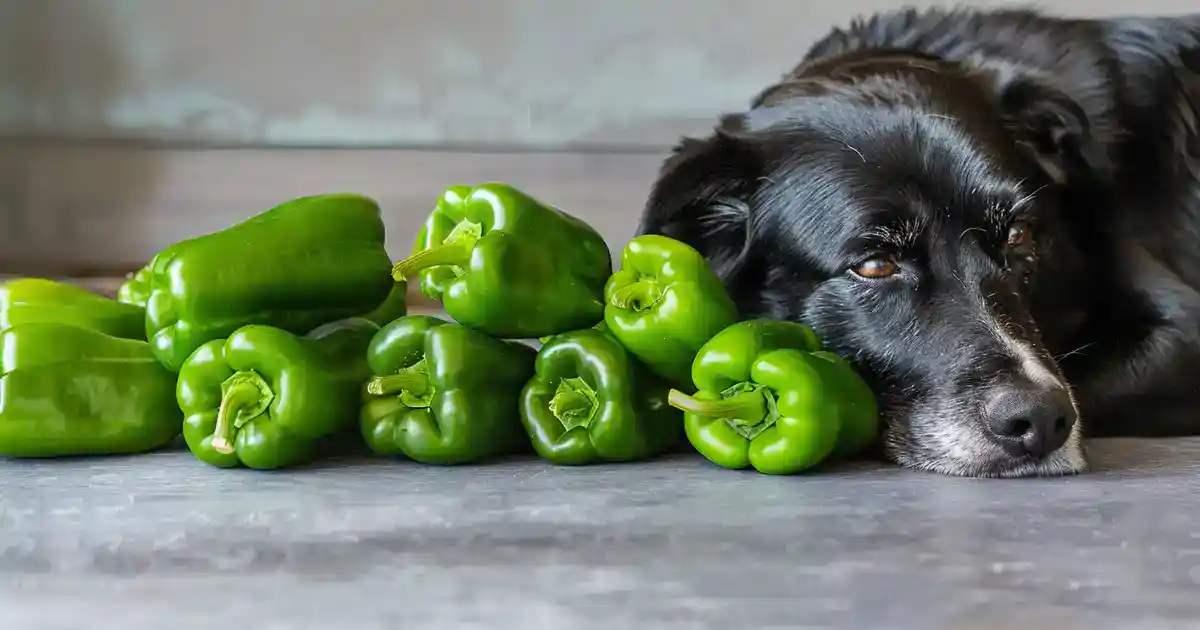
Have you ever wondered if those crisp green bell peppers sitting in your refrigerator could make a healthy snack for your curious pup? I used to assume all peppers were too spicy or complicated for dogs until my veterinary nutritionist friend explained that sweet bell peppers—especially green ones—are actually safe, nutritious treats that most dogs enjoy. Now when fellow dog parents ask whether vegetables beyond carrots are worth offering, I share this surprisingly beneficial option that adds variety and nutrition to their dog’s diet. Trust me, if you’re looking for low-calorie, vitamin-rich treats or confused about which peppers are safe versus dangerous, this guide will give you everything you need to confidently share green peppers with your furry friend.
Here’s the Thing About Green Peppers and Dogs
Here’s the magic: green bell peppers are completely safe for dogs and provide genuine nutritional benefits including vitamins A, C, and E, fiber, and antioxidants—all in a low-calorie package perfect for weight management. What makes this work is understanding that bell peppers (green, red, yellow, orange) are entirely different from spicy peppers like jalapeños or chili peppers that contain capsaicin and should be avoided. I never knew that green peppers are simply unripe versions of red, yellow, or orange peppers until researching produce for my dog’s fresh food diet. This combination of safety, nutrition, and palatability creates an excellent vegetable option most dogs tolerate beautifully. It’s honestly more beneficial than I ever expected, and according to research on bell pepper nutrition, these vegetables provide substantial vitamin C, various antioxidants, and beneficial plant compounds with minimal calories—making them ideal for dogs needing weight management or nutritional variety.
What You Need to Know – Let’s Break It Down
Understanding what green peppers actually provide nutritionally is absolutely crucial before adding them to your dog’s diet. Green bell peppers contain high levels of vitamin C (more than oranges per serving), vitamin A supporting eye health, vitamin E providing antioxidant protection, vitamin B6 for metabolism, fiber aiding digestion, and various antioxidants including lutein and beta-carotene. Don’t skip proper preparation—remove all seeds and the white membrane inside as these can cause mild digestive upset, and cut into appropriate sizes to prevent choking (took me forever to realize that seeds, while not toxic, are harder to digest).
The difference between bell peppers and hot peppers is critical for safety. I finally figured out that bell peppers belong to the same family as hot peppers but lack capsaicin—the compound that creates heat and can irritate dogs’ digestive systems. Yes, green bell peppers are safe for dogs, but here’s the life-saving distinction: jalapeños, serranos, habaneros, and all spicy peppers should NEVER be given to dogs as they cause gastrointestinal distress, pain, and potentially more serious issues (game-changer in understanding that not all peppers are created equal, seriously).
The preparation method affects digestibility and safety. Raw green peppers provide maximum nutrients and satisfying crunch most dogs enjoy. Cooked peppers (steamed, roasted, or grilled without seasonings) are easier to digest for sensitive stomachs. Never give peppers cooked with onions, garlic, oils, or seasonings. I always recommend starting with raw for healthy dogs, saving cooked for those with digestive sensitivities. If you’re exploring safe vegetables for your pet, check out my complete guide to dog-safe vegetables and preparation methods for foundational knowledge about expanding your dog’s vegetable intake appropriately.
Individual tolerance varies despite safety. While green peppers are non-toxic, some dogs experience gas or mild digestive upset from the fiber and plant compounds. Most dogs handle peppers without issues, but introduce gradually to assess your individual dog’s response.
The Science and Psychology Behind Why This Works
Research from veterinary nutritionists demonstrates that bell peppers’ nutritional profile makes them excellent additions to canine diets—the high vitamin C content supports immune function (though dogs synthesize their own vitamin C), while antioxidants provide cellular protection and the low calorie density (about 30 calories per cup) makes them ideal for weight management. What makes green peppers beneficial from a nutritional perspective is their combination of vitamins, minerals, and fiber without excessive calories or problematic compounds.
Traditional concerns about nightshade vegetables (peppers, tomatoes, potatoes) causing problems for dogs are largely unfounded—while the leaves and unripe parts of nightshade plants contain solanine (a toxic compound), ripe bell peppers are completely safe. The veterinary community recognizes bell peppers as healthy, safe treats for dogs. I’ve personally witnessed dogs’ enthusiasm for the crunchy texture and mild sweetness of peppers—they provide sensory variety that keeps treats interesting. The psychology of dietary variety shows that rotating different vegetables prevents boredom and may reduce likelihood of developing food sensitivities compared to feeding the same treats constantly.
Here’s How to Actually Make This Happen
Start by selecting and preparing peppers safely—this is crucial for optimal enjoyment and digestion. Here’s where I used to mess up: I’d give my dog whole pepper slices with seeds still attached, not realizing the seeds and membrane cause mild stomach upset. Choose firm, fresh green peppers without soft spots or wrinkles. Wash thoroughly to remove pesticides and wax coatings. Cut the pepper in half and remove the stem, seeds, and white membrane completely. Cut the flesh into bite-sized pieces appropriate for your dog’s size—small cubes for small dogs, larger strips for big dogs.
Determining appropriate portions prevents digestive upset and maintains nutritional balance. Now for the important part: treats should comprise no more than 10% of daily calories. For green peppers, offer 1-2 small pieces for small dogs, 2-4 pieces for medium dogs, and 4-6 pieces for large dogs. Here’s my secret—I use pepper pieces as training treats since they’re so low-calorie that I can give more rewards without weight gain concerns. Don’t be me—I used to think “vegetables are healthy” meant unlimited amounts, which led to my dog having gas from too much fiber.
Introduce green peppers gradually to assess tolerance. This step takes just days but creates baseline understanding of your dog’s response. Offer one small piece and wait 24 hours observing for any digestive changes—gas, loose stools, or stomach discomfort. When your dog tolerates this well, you’ll know—they digest normally and show interest in more. Increase to full portions over 3-4 days.
Incorporate peppers strategically for best results. My mentor (a canine nutritionist) taught me this approach: use peppers as low-calorie training treats, mix into meals as vegetable variety, or offer as occasional snacks between meals. Every dog has preferences—some love the crunch while others prefer cooked softer texture. Results show through maintained enthusiasm and normal digestion.
Store prepared peppers conveniently for easy access. Don’t worry about daily prep—I cut several peppers weekly, storing prepared pieces in containers in the refrigerator for 3-4 days. This makes treat-giving effortless and ensures consistency.
Common Mistakes (And How I Made Them All)
My biggest failure? Not removing seeds and membrane thoroughly, which gave my dog gas and mild stomach discomfort. I thought the whole pepper was fine, not understanding that these parts are harder to digest (learn from my gassy mistake). Always take the extra minute to clean peppers completely—your nose will thank you later.
Giving too much too quickly was another learning moment for me. Excited about a healthy treat option, I gave my dog several large pieces her first time, resulting in loose stools from the fiber overload. Experts recommend gradual introduction even with safe foods—digestive systems need time to adapt to new items.
Using peppers cooked with onions or garlic nearly created a dangerous situation when I offered my dog leftover fajita peppers without thinking about what they’d been cooked with. Onions and garlic are toxic to dogs. Never give dogs peppers that have been prepared with any seasonings, oils, or other ingredients—only plain, simply prepared peppers are safe.
Assuming my dog would automatically like peppers led to wasted vegetables when I bought extra for her and she showed zero interest. Not all dogs enjoy all vegetables—some love peppers while others couldn’t care less. Test preferences before buying large quantities.
When Things Don’t Go as Planned
Your dog experiencing gas or mild diarrhea after eating green peppers? You probably gave too much for their fiber tolerance level or your individual dog is sensitive to peppers. That’s a normal response indicating portion reduction needed. I’ve learned to handle this by stopping peppers for 24-48 hours, then reintroducing at half the previous amount. If upset persists even with tiny portions, your dog may be one of the few who doesn’t tolerate peppers well—discontinue and try other vegetables like carrots or green beans.
Your dog showing no interest in green peppers? When this happens (and it’s common with some dogs), don’t force it—they might simply dislike the taste or texture. This is totally manageable and doesn’t mean anything is wrong. Don’t stress about whether they’re missing out nutritionally; plenty of other vegetables provide similar benefits. Try cooking peppers to change texture, mix tiny amounts into favorite foods, or simply accept that your dog prefers other vegetables.
Suspect your dog ate a large amount of peppers including seeds? I always monitor for signs of digestive upset—excessive gas, bloating, vomiting, or diarrhea—over the next 12-24 hours. Seeds and membrane aren’t toxic but can cause stomach discomfort when eaten in quantity. Ensure water access and withhold food temporarily if mild symptoms appear. If symptoms are severe or persistent, call your vet, though serious problems from bell peppers are extremely rare.
Advanced Strategies for Next-Level Results
Using frozen pepper pieces for enrichment creates engaging summer treats. I’ve discovered that offering frozen green pepper strips on hot days provides cooling refreshment alongside nutrition. Advanced dog parents often use frozen vegetables including peppers in puzzle feeders or Kong toys for extended mental stimulation.
Creating pepper-based training treats capitalizes on low calories for unlimited rewards. When training intensively, I use tiny pepper pieces as frequent rewards without worrying about calorie overload like with commercial treats. This approach works beautifully for weight-loss programs where dogs still deserve rewards. Use this strategy during extensive training sessions requiring many repetitions.
Rotating pepper colors for nutritional diversity provides varied antioxidant profiles. During different seasons, I rotate between green (highest vitamin C), red (highest vitamin A and lycopene), yellow, and orange peppers. Each color offers slightly different nutrient profiles. This variation creates comprehensive vegetable nutrition over time.
Stuffing peppers as interactive feeders transforms vegetables into entertainment. I’ve learned to hollow out pepper halves, fill with plain yogurt, bone broth, or wet food, then freeze. Dogs work to lick out the filling while also consuming the pepper vessel. This dual approach provides extended engagement plus vegetable nutrition.
Ways to Make This Your Own
The Simple Snack Method: When I want the easiest approach, I just cut fresh pepper into appropriate pieces and offer as occasional treats between meals. This makes vegetable supplementation straightforward without special preparation. My minimal-effort version focuses on convenience.
The Training Reward Strategy: For next-level utility, I prep multiple peppers weekly, storing pieces in containers for consistent training rewards. Sometimes I mix pepper pieces with other low-calorie vegetables like cucumber, though peppers alone work perfectly. Each approach works beautifully for different training intensities.
The Meal Enhancement Integration: My daily version includes adding 2-3 pepper pieces to regular meals as vegetable variety alongside proteins and grains in homemade diets. This creates balanced nutrition when part of complete meal planning.
The Stuffed Pepper Entertainment (Advanced): I occasionally use hollowed pepper halves as edible food puzzles—fill with safe ingredients then let my dog work to extract contents while eventually consuming the pepper. This is more intensive but creates extended enrichment.
The Dehydrated Pepper Chips: Instead of feeding fresh, I thinly slice peppers and dehydrate them (no seasonings) creating crunchy pepper chips my dog loves. This prevents refrigeration needs and creates shelf-stable treats with concentrated flavor.
Why This Approach Actually Works
Unlike dismissing vegetables as unnecessary for carnivorous dogs or forcing vegetables they don’t need, this balanced approach leverages actual nutritional science showing that omnivorous dogs benefit from appropriate plant foods providing vitamins, antioxidants, and fiber. What sets this apart from other perspectives is acknowledging that while dogs don’t require vegetables to survive, vegetables enhance health through nutrient diversity, fiber, and low-calorie satiety when used appropriately as treat or meal supplements.
The informed effectiveness comes from understanding that green peppers specifically offer an excellent nutrient-to-calorie ratio making them ideal for weight management while providing legitimate nutritional benefits. I discovered through personal experience and nutritional guidance that this vegetable approach creates opportunities for healthy treat variety without the calories, artificial ingredients, or expense of commercial treats. Most advice either oversimplifies vegetables as “filler” or exaggerates them as miracle foods—neither extreme reflects nutritional reality.
Real Success Stories (And What They Teach Us)
One client used green pepper pieces as primary training treats during their dog’s weight loss program. Over four months, their overweight Labrador lost 15 pounds while learning new commands and maintaining excellent motivation through frequent rewards. The low-calorie peppers allowed unlimited training reinforcement without derailing weight loss. What made them successful was understanding that effective training requires frequent rewards, and peppers provided guilt-free options supporting both training goals and weight management simultaneously.
Another dog parent I know has a senior dog with dental issues making many treats too hard to chew. Cooked green pepper pieces provide soft, easy-to-eat rewards with nutrition and flavor her dog enjoys. The lesson here: preparation flexibility makes peppers work for dogs with different needs—raw for healthy dogs, cooked for those requiring softer textures.
A veterinary nutritionist I consult with routinely recommends bell peppers for diabetic dogs needing low-glycemic treats. The negligible impact on blood sugar combined with satisfying crunch makes them ideal for dogs requiring strict carbohydrate control. Their experience aligns with nutritional data showing peppers’ low glycemic load makes them appropriate for metabolically sensitive dogs.
Tools and Resources That Actually Help
Fresh Bell Peppers: I buy organic when possible to minimize pesticide exposure, though thorough washing removes most residues from conventional peppers. Choose firm peppers without soft spots.
Sharp Knife: A good chef’s knife makes quick work of removing seeds and membrane, ensuring clean preparation. Proper tools make prep efficient and safe.
Storage Containers: Small glass containers store prepared pepper pieces in the refrigerator for 3-4 days. I prep once and have treats ready all week.
Dehydrator (Optional): For creating pepper chips, a food dehydrator makes thin, crunchy treats from peppers. This is optional but creates shelf-stable alternatives to fresh.
Veterinary Nutrition Resources: The American Kennel Club’s vegetable guidance provides comprehensive information on safe produce including peppers that nutritionists reference for treat recommendations.
Questions People Always Ask Me
How much green pepper can I give my dog?
Most dogs can safely enjoy 1-2 small pieces for small dogs (under 20 pounds), 2-4 pieces for medium dogs (20-50 pounds), and 4-6 pieces for large dogs (over 50 pounds) as occasional treats. Start with less initially—individual tolerance varies based on fiber sensitivity. Be patient introducing peppers gradually over several days while monitoring digestion. Remember the 10% treat rule—all treats combined should be no more than 10% of daily calories.
What if my dog ate a whole green pepper including seeds?
Monitor for digestive upset—gas, bloating, mild diarrhea, or discomfort—over the next 12-24 hours but don’t panic. Just ensure water access and consider withholding food temporarily if mild symptoms appear. I’ve learned that while seeds and membrane aren’t toxic, they can cause temporary stomach upset in quantity. Takes standard supportive care if symptoms develop. Call your vet if symptoms are severe, persistent beyond 24 hours, or include significant vomiting—though serious problems from bell peppers are extremely rare.
Are cooked green peppers better than raw for dogs?
Both work well depending on your dog’s needs. Raw peppers provide maximum nutrients, satisfying crunch, and simplest preparation. Cooked peppers (steamed or roasted plain) offer easier digestion for sensitive stomachs and softer texture for senior dogs or those with dental issues. There’s no superior choice—match preparation to your individual dog’s preferences and digestive tolerance. I use raw for healthy dogs and cooked for those with sensitivities.
Can dogs eat other colored bell peppers?
Yes! All bell pepper colors—green, red, yellow, orange—are equally safe for dogs. The main differences are ripeness and nutrient profiles: green peppers are unripe (slightly more bitter, highest vitamin C), while red, yellow, and orange are fully ripe (sweeter, higher vitamin A and antioxidants). Just prepare all colors the same way—remove seeds and membrane, cut appropriately. I rotate colors for variety and comprehensive nutrition.
What’s the most important safety rule about peppers and dogs?
Only feed sweet bell peppers, NEVER hot/spicy peppers like jalapeños, serranos, or any pepper with capsaicin that creates heat. Everything else—portion size, preparation method, frequency—matters less than this fundamental distinction. Don’t assume all peppers are safe based on bell pepper safety. Hot peppers cause significant gastrointestinal distress and should be strictly avoided.
How do I know if my dog likes green peppers?
Offer one small piece and observe their response. Dogs who like peppers typically eat them eagerly and may beg for more. Dogs who dislike them often spit pieces out, leave them uneaten, or show disinterest. Taking honest note of enthusiasm level reveals preferences. If your dog consistently ignores or rejects peppers, respect their taste preferences and offer vegetables they actually enjoy.
What mistakes should I avoid when feeding peppers to dogs?
Don’t give peppers with seeds and membrane still attached—remove them completely. Avoid peppers cooked with onions, garlic, oils, or seasonings that are unsafe or unnecessary for dogs. Never offer hot/spicy peppers. Don’t give excessive amounts causing digestive upset from too much fiber. Don’t force peppers on dogs who clearly dislike them.
Can puppies eat green peppers safely?
Yes, puppies can have small amounts of properly prepared green pepper once they’re on solid foods (around 8 weeks old). The same principles apply with modifications—smaller pieces appropriate for puppy mouths and even more gradual introduction given sensitive developing digestive systems. However, puppy nutrition should focus primarily on complete puppy food; peppers remain optional supplements for variety.
What if green peppers cause gas in my dog?
Reduce the amount significantly—what seems like a small portion might still be too much fiber for your individual dog. If gas persists even with tiny amounts (one small piece), your dog may be sensitive to peppers specifically. Discontinue peppers and try other vegetables like carrots, green beans, or cucumber that many sensitive dogs tolerate better. Not every dog needs to eat every safe food.
How long do prepared pepper pieces stay fresh?
Cut pepper pieces store in sealed containers in the refrigerator for 3-4 days maintaining freshness and nutrients. I prep multiple peppers weekly for convenience. Beyond 4 days, pieces become soft and less appealing though still safe. For longer storage, freeze prepared pieces in single-layer on trays, then transfer to freezer bags for 2-3 months. Frozen pieces work great as cool treats.
What’s the difference between green peppers and hot peppers for dogs?
Green bell peppers lack capsaicin (the compound creating heat) making them mild, safe, and non-irritating. Hot peppers contain varying levels of capsaicin causing burning sensations, gastrointestinal distress, pain, and potential serious digestive issues in dogs. Both belong to the same plant family but bell peppers were bred specifically for sweetness without heat. NEVER give dogs any spicy peppers—only sweet bell peppers are appropriate.
How do I know if peppers are helping my dog’s health?
Peppers provide nutrient supplementation rather than dramatic health transformations. Benefits are subtle—maintained healthy weight through low-calorie treats, general wellness support from vitamins and antioxidants, digestive health from fiber, and training success from having unlimited reward options. Trust that benefits accumulate gradually through consistent variety in the diet rather than expecting visible changes. Peppers support overall health as part of balanced nutrition.
Before You Get Started
I couldn’t resist sharing this because it proves that giving your dog nutritious treats doesn’t require expensive specialty products when fresh, safe vegetables like green peppers provide genuine benefits without breaking your budget. The best pepper-feeding experiences happen when you properly prepare peppers by removing all seeds and membrane, introduce gradually while monitoring tolerance, offer appropriate portions as part of balanced treat allowance, and respect individual preferences if your dog simply doesn’t enjoy them. Ready to add this crunchy, nutritious vegetable to your dog’s treat rotation? Grab a fresh green pepper, remove seeds and core completely, cut into bite-sized pieces, and offer one small piece—your furry friend’s low-calorie, vitamin-rich snacking journey begins with this simple, properly prepared first taste.




