
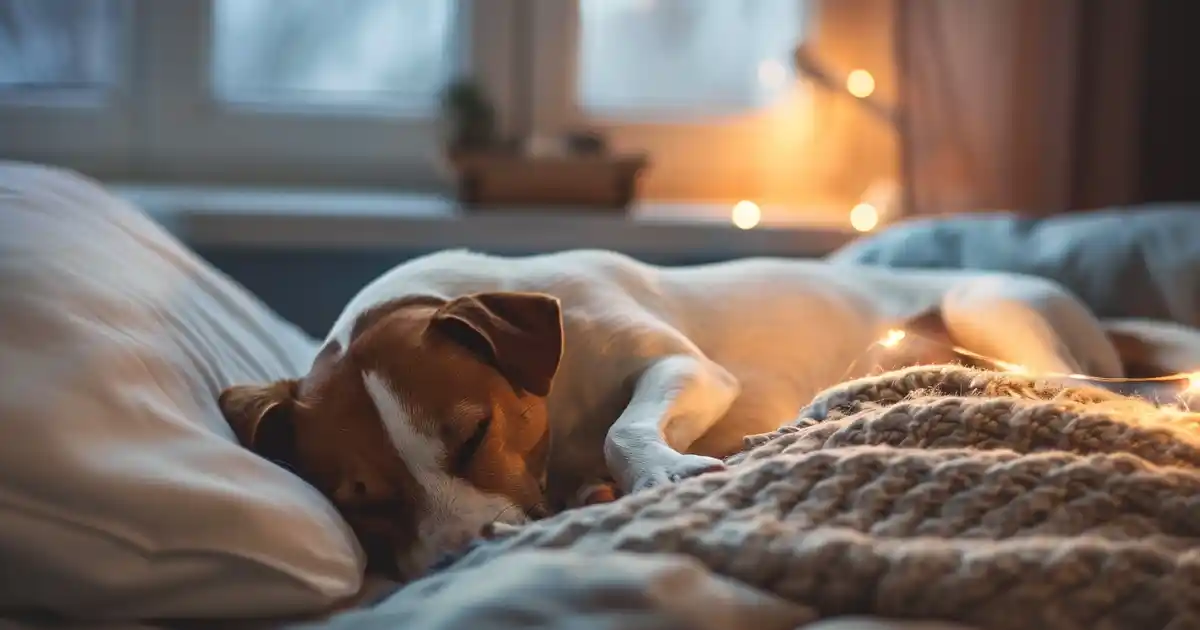
Have you ever wondered why your dog seems to spend half their life snoozing while you’re running around handling endless responsibilities? I used to worry that something was wrong with my dog because she slept what seemed like constantly, until my vet explained the fascinating biology behind canine sleep patterns that completely changed my perspective. Now when fellow dog parents express concern about their pup’s marathon napping sessions, I can share the science that explains why this behavior is not only normal but essential for their health. Trust me, if you’ve been wondering whether your dog sleeps too much or if those endless naps signal a problem, this guide will show you exactly what’s normal and when to be concerned.
Here’s the Thing About Dogs and Sleep
Here’s the magic: dogs sleeping 12-14 hours daily (or even more for puppies and seniors) is completely normal and biologically necessary for their health. What makes this work is their polyphasic sleep pattern—unlike humans who sleep in one long block, dogs take multiple short naps throughout the day and night. I never knew that dogs spend only about 10% of their sleep time in deep REM sleep compared to humans’ 25% until I started researching canine sleep science. This combination of frequent naps and lighter sleep cycles creates their unique rest pattern. It’s honestly more fascinating than I ever expected, and according to research on sleep in non-human animals, different species have evolved vastly different sleep requirements based on their ecological niche, diet, and predator-prey relationships.
What You Need to Know – Let’s Break It Down
Understanding how much sleep is actually normal is absolutely crucial before you start worrying unnecessarily. Adult dogs typically sleep 12-14 hours per day, puppies need 18-20 hours, and senior dogs often return to 16-18 hours daily. Don’t skip this important age consideration—sleep needs change dramatically throughout a dog’s life, and what’s normal for a puppy would indicate illness in a young adult dog (took me forever to realize this).
The sleep cycle differences matter significantly. I finally figured out that dogs enter REM sleep much faster than humans (within 10 minutes versus 90 minutes) but spend less total time there. Yes, dogs do dream—you can see it when their paws twitch and they make little noises during REM sleep. Here’s why this matters: their lighter sleep means they’re more alert to their environment and wake more easily, which explains why they seem to snap awake instantly (game-changer in understanding their vigilance, seriously).
The factors influencing sleep patterns are crucial to understand. Activity level dramatically affects sleep—working dogs sleep less than companion dogs. Breed characteristics play a role, with large breeds often sleeping more than small breeds. Environmental factors like household activity, noise levels, and routine consistency all impact sleep quality and quantity. I always observe how my dog’s sleep adjusts when we have guests or during holidays when schedules change. If you’re exploring ways to optimize your dog’s health and behavior, check out my complete guide to canine wellness routines for foundational knowledge about supporting your dog’s natural rhythms.
The boredom versus tiredness distinction matters tremendously. Some dogs sleep simply because there’s nothing else to do—understimulated dogs may sleep 16+ hours not because they need it but because they’re bored. This means what looks like excessive sleep might actually signal insufficient mental and physical enrichment rather than a health problem.
The Science and Psychology Behind Why This Works
Research from veterinary sleep specialists demonstrates that canine sleep architecture and circadian rhythms differ fundamentally from human patterns due to evolutionary adaptations. What makes dogs’ sleep patterns effective from a scientific perspective is their ability to achieve restorative rest through multiple shorter sleep cycles rather than one consolidated period. As descendants of wolves who needed to remain semi-alert for threats, dogs evolved sleep patterns that balance rest with vigilance.
Traditional assumptions that dogs sleeping “too much” indicates laziness ignore the biological reality that different species have different metabolic and neurological requirements. The veterinary community recognizes that adequate sleep supports immune function, memory consolidation, growth (in puppies), and cellular repair. I’ve personally witnessed how well-rested dogs exhibit better behavior, learning capacity, and emotional regulation compared to sleep-deprived dogs. The psychology of rest shows that when dogs get sufficient quality sleep, their stress levels decrease and their ability to cope with environmental challenges improves dramatically.
Here’s How to Actually Make This Happen
Start by establishing what’s normal for your individual dog—this is crucial for recognizing changes. Here’s where I used to mess up: I compared my dog’s sleep to my friend’s dog without considering breed, age, and activity level differences. Track your dog’s typical sleep hours over a week when they’re healthy. Note when they nap, how long, and their sleep quality. This baseline helps you identify concerning changes later.
Creating an optimal sleep environment supports quality rest. Now for the important part: provide a comfortable bed in a quiet area away from high-traffic zones, maintain consistent temperature (not too hot or cold), and minimize nighttime disruptions. Here’s my secret—I use blackout curtains in my dog’s sleeping area because darkness promotes deeper sleep cycles. Don’t be me—I used to let my dog sleep in the noisy living room, which meant constant light sleep and frequent waking.
Adjusting activity levels appropriately ensures healthy tiredness rather than boredom-induced sleeping. This step requires daily commitment but creates better overall wellness. Provide age-appropriate exercise—young adults need 1-2 hours of physical activity, puppies need shorter but more frequent play sessions, seniors need gentler but regular movement. When you’ve found the right balance, you’ll know—your dog sleeps contentedly but wakes alert and engaged when activity happens.
Maintaining consistent routines optimizes sleep quality. My mentor (a veterinary behaviorist) taught me this trick: feed meals, walk, and provide playtime at roughly the same times daily. Every dog adapts differently—some are flexible while others become anxious with schedule changes. Consistency typically improves sleep quality within 1-2 weeks as circadian rhythms align with household patterns.
Monitor for concerning changes in sleep patterns. Don’t worry if your dog occasionally sleeps more on a lazy Sunday—that’s normal. But watch for sudden increases in sleep combined with other symptoms like decreased appetite, reluctance to play, or behavior changes. These combinations potentially indicate health issues requiring veterinary attention.
Common Mistakes (And How I Made Them All)
My biggest failure? Waking my dog unnecessarily because I felt guilty about how much she slept. I thought she needed more activity, so I’d interrupt naps to play, which actually disrupted her natural sleep cycles and made her irritable (learn from my epic mistake). Dogs need their sleep—let them rest undisturbed unless there’s a specific reason to wake them.
Providing inadequate mental stimulation was another learning moment for me. I focused entirely on physical exercise without realizing mental enrichment is equally important. A 30-minute training session or puzzle toy can tire dogs mentally as much as a long walk tires them physically. Experts recommend balancing both types of stimulation for optimal tiredness and sleep quality.
Ignoring gradual sleep pattern changes led to missing early signs of hypothyroidism in a dog I fostered. Don’t make my mistake of dismissing increased sleeping as “just getting older” without considering medical causes. Gradual changes over weeks or months, especially combined with weight gain, lethargy during waking hours, or coat changes, deserve veterinary evaluation.
Comparing my dog to unrealistic standards created unnecessary worry. Social media dogs seem endlessly active and engaged, but that’s curated content—you’re not seeing their 14 hours of daily napping. Every dog is different, and normal varies widely across individuals.
When Things Don’t Go as Planned
Feeling worried because your dog suddenly sleeps much more? You probably need to evaluate whether other symptoms accompany the change or if environmental factors explain it. That’s normal concern, and it happens whenever routines change or seasons shift. I’ve learned to handle this by listing all potential causes: Recent vaccination? Weather change (dogs sleep more in extreme heat)? Growth spurt (in young dogs)? If increased sleep is the only change and your dog seems healthy when awake, monitoring for a few days makes sense before panicking.
Your dog sleeping less than expected? When this happens (and it’s less common), consider whether anxiety, pain, or cognitive changes might interfere with rest. This is concerning and warrants veterinary consultation—sleep deprivation affects health significantly. Don’t stress about one restless night, but persistent sleep reduction over several days requires professional evaluation.
Noticing your senior dog sleeping dramatically more? I always assess whether they’re comfortable when awake, eating normally, and responding to favorite activities. If increased sleep accompanies arthritis, cognitive decline, or other age-related changes, veterinary guidance helps distinguish normal aging from treatable conditions. Pain often disrupts sleep quality, so seniors sleeping more but seeming uncomfortable need evaluation.
Advanced Strategies for Next-Level Results
Tracking sleep patterns with technology provides objective data about changes. I’ve discovered that activity monitors designed for dogs track sleep duration and quality, revealing patterns you might miss through observation alone. Advanced dog owners often use these devices to identify subtle changes early, especially in senior dogs where increased sleeping might signal developing health issues.
Optimizing sleep through environmental enrichment balances activity and rest. When I want to ensure quality sleep, I provide intense morning exercise (physical), midday puzzle toys (mental), and calm evening routines. This dual approach creates satisfying tiredness that promotes deep, restorative sleep. Use this strategy during life transitions like moving or adding family members that might disrupt sleep patterns.
Adjusting routines seasonally addresses varying energy and sleep needs. During summer’s long daylight and heat, my dog naturally shifts to more midday sleeping with earlier morning and later evening activity. Winter brings longer nighttime sleep and more midday activity. These seasonal adjustments align with natural circadian rhythm changes.
Using calming aids strategically supports anxious dogs who struggle with quality sleep. I’ve learned that calming music designed for dogs, pheromone diffusers, or anxiety wraps help some dogs achieve deeper rest. This approach works best combined with behavior modification rather than as a standalone solution.
Ways to Make This Your Own
The Natural Observer Method: When I want the simplest approach, I just let my dog follow her natural sleep-wake rhythms without intervention. This makes it straightforward and respects her biological needs. My minimal-interference version focuses on providing good sleep spaces and letting nature handle the rest.
The Structured Routine Approach: For next-level consistency, I love maintaining rigid schedules—morning walk at 7am, breakfast at 7:30am, nap time from 8am-11am, etc. Sometimes I adjust slightly for weekends, though keeping consistency proves most beneficial. Each variation works beautifully for different household schedules and dog temperaments.
The Activity-Optimized Strategy (Advanced): My advanced version includes carefully balancing physical exercise, mental stimulation, and rest periods to promote optimal sleep quality. This requires tracking activity and sleep to find the perfect balance for my individual dog’s needs.
The Life Stage Adaptation: I focus on adjusting expectations and provisions based on my dog’s current life stage. Puppy months emphasize safe sleeping areas away from household chaos. Adult years balance activity and rest. Senior years prioritize comfort and accessibility of sleeping areas.
The Multi-Dog Household Balance: Instead of treating all dogs identically, I respect that each dog has different sleep needs. My young dog gets vigorous exercise while my senior naps peacefully, then they share quiet time together. This prevents disrupting necessary rest while meeting individual needs.
Why This Approach Actually Works
Unlike anthropomorphizing dogs and expecting human sleep patterns, or ignoring concerning changes by dismissing all sleep as “normal,” this evidence-based approach leverages actual canine biology to recognize healthy versus problematic sleep. What sets this apart from other perspectives is acknowledging that significant variation exists across individuals while maintaining awareness of patterns that signal health concerns.
The informed effectiveness comes from understanding that sleep serves crucial biological functions for dogs just as it does for humans—memory consolidation, immune system support, growth, and cellular repair all depend on adequate quality sleep. I discovered through personal experience and veterinary guidance that this balanced approach creates peace of mind about normal sleeping while maintaining appropriate vigilance for concerning changes. Most commercial resources either dismiss excessive sleeping entirely or create unnecessary anxiety about every nap—neither extreme serves dogs or owners well.
Real Success Stories (And What They Teach Us)
One client’s Border Collie seemed excessively sleepy, concerning them deeply. After tracking sleep and activity patterns, they realized their dog slept 13 hours daily—well within normal range—but seemed like more because they were home all day observing. Once reassured about normalcy, their anxiety disappeared. What made them successful was gathering objective data rather than relying on worried impressions—they understood that observation bias can skew perception.
Another dog parent I know noticed their 8-year-old Lab gradually sleeping more over several months. Rather than dismissing it as aging, they sought veterinary evaluation and discovered hypothyroidism. After treatment began, their dog’s energy improved and sleep normalized. The lesson here: gradual changes combined with other subtle symptoms deserve professional evaluation even when they seem “normal for aging.”
A rescue organization I work with carefully monitors sleep patterns in new arrivals because disrupted sleep often indicates stress or health issues from their previous situations. They’ve noticed that as dogs decompress and feel secure, sleep patterns normalize over 2-4 weeks. Their experience aligns with behavioral research showing consistent patterns—secure, healthy dogs establish regular sleep rhythms reflecting their individual needs.
Tools and Resources That Actually Help
Comfortable Dog Beds: I invest in orthopedic beds for optimal support, especially for my senior dog. Memory foam or egg crate designs reduce pressure points and promote deeper sleep. Quality beds last years and genuinely impact sleep quality.
Activity Trackers: Devices like FitBark or Whistle track sleep duration, quality, and patterns over time. These provide objective data revealing changes you might miss through casual observation.
White Noise Machines: I use white noise in my dog’s sleeping area to mask household sounds that might disrupt sleep. This simple tool significantly improved my light-sleeper dog’s rest quality.
Sleep Journal or App: Tracking sleep patterns manually or through apps helps identify what’s normal for your dog and spot concerning changes early.
Veterinary Sleep Resources: The American Kennel Club’s health guidance provides comprehensive information on canine sleep patterns and when to seek veterinary advice that professionals reference.
Questions People Always Ask Me
How many hours should my dog sleep per day?
Most adult dogs sleep 12-14 hours daily, though normal ranges from 10-16 hours depending on breed, age, and activity level. I usually tell people that puppies need 18-20 hours, young adults typically need 12-14 hours, and seniors often return to 16-18 hours daily. Start by observing your individual dog’s pattern—what’s normal varies significantly. Be patient establishing baseline patterns over 1-2 weeks of observation.
What if my dog sleeps 16-18 hours and seems healthy otherwise?
If your dog is alert and engaged during waking hours, eats normally, maintains healthy weight, and shows no concerning symptoms, they likely just need more sleep than average. Just focus on ensuring they get adequate mental and physical stimulation during waking hours. I’ve seen perfectly healthy dogs who simply sleep more than typical ranges suggest—individual variation is real. Takes just monitoring behavior when awake to assess overall wellness.
Do different dog breeds sleep different amounts?
Yes, significantly! Large and giant breeds often sleep 14-16 hours daily because their bodies require more energy for basic functions. Working breeds bred for high activity may sleep less (10-12 hours) when adequately exercised. Brachycephalic breeds (flat-faced) sometimes sleep more due to breathing difficulties. There’s substantial variation—research your specific breed’s tendencies while recognizing individual differences.
Can dogs sleep too much?
Yes, excessive sleeping combined with lethargy during waking hours, weight gain, decreased appetite, or behavior changes can indicate health problems like hypothyroidism, diabetes, depression, or pain. However, sleeping alone without other symptoms rarely indicates issues. Just track when sleep increases suddenly or gradually exceeds your dog’s established normal by several hours daily. Consult your vet if concerns arise.
What’s the most important sign that my dog’s sleeping is concerning?
Changes from their established normal pattern combined with other symptoms—not just increased sleep alone. Everything else—exact hours, nap frequency, sleep position—matters less than whether your dog seems healthy, engaged, and comfortable during waking hours. Don’t obsess over precise sleep duration; instead, watch for combinations like increased sleeping plus decreased appetite, weight changes, reluctance to play, or personality shifts.
How can I tell if my dog is bored versus genuinely tired?
Watch their response when you offer activities. Genuinely tired dogs might acknowledge you but return to sleep quickly. Bored dogs typically perk up immediately and enthusiastically engage with offered activities. Taking mental notes of how eagerly your dog participates in walks, play, or training reveals whether they need more stimulation or genuinely need rest.
What mistakes should I avoid regarding my dog’s sleep?
Don’t wake sleeping dogs unnecessarily—they need undisturbed rest cycles. Avoid assuming increased sleep always indicates laziness without considering medical causes. Never dismiss gradual changes as “just aging” without veterinary evaluation. Don’t compare your dog’s sleep to others without considering breed, age, and individual factors creating valid differences.
Should I worry if my puppy sleeps 20 hours per day?
No, this is completely normal! Puppies need extensive sleep (18-20 hours) for proper growth and development. The same principles apply to puppies—they should be energetic, playful, and engaged during waking hours. However, puppies also have short attention spans and tire quickly, so frequent napping is expected and healthy.
What if my senior dog suddenly sleeps much more than before?
Gradual increases in senior dog sleeping are often normal aging, but sudden dramatic changes warrant veterinary evaluation. Senior dogs commonly develop conditions like arthritis, cognitive dysfunction, or organ issues that affect sleep and energy. Maintain awareness that increased sleeping in seniors deserves assessment even when it seems like “typical aging”—many conditions are treatable when caught early.
How does exercise affect my dog’s sleep?
Adequate exercise promotes better sleep quality through healthy tiredness. Under-exercised dogs may sleep more from boredom but experience lighter, less restorative sleep. That’s why both physical exercise and mental stimulation matter—dogs with balanced activity sleep more soundly. However, excessive exercise can lead to over-tiredness and restless sleep, so finding the right balance for your individual dog matters.
What’s the difference between resting and actual sleep?
Dogs spend significant time in quiet rest where they’re relaxed but alert to their environment—eyes might be closed but they’re not deeply asleep. True sleep includes REM cycles where you’ll see the classic twitching, eye movement, and deep relaxation. Both rest and sleep are important, and distinguishing them is mostly academic—what matters is that your dog gets adequate downtime overall.
How do I know if sleep changes warrant a vet visit?
Visit your vet if: sleep increases suddenly by several hours daily; your dog seems lethargic even during waking hours; sleep changes accompany weight changes, appetite changes, behavior shifts, or physical symptoms; your senior dog sleeps dramatically more with confusion or disorientation; or you simply feel worried that something seems off. Trust your instincts—you know your dog best, and veterinarians appreciate evaluating concerns even when they turn out to be nothing.
Before You Get Started
I couldn’t resist sharing this because it proves that understanding your dog’s natural biology creates peace of mind about their extensive napping while maintaining appropriate awareness of concerning changes. The best approach to canine sleep happens when you establish what’s normal for your individual dog, respect their biological need for rest, provide adequate stimulation during waking hours, and remain alert to combinations of symptoms that might signal health issues. Ready to stop worrying about those endless naps? Track your dog’s typical patterns, ensure quality sleep environments, and trust that all those hours of adorable snoozing are essential for your furry friend’s health—your dog’s well-rested, healthy life continues with this informed understanding.




