
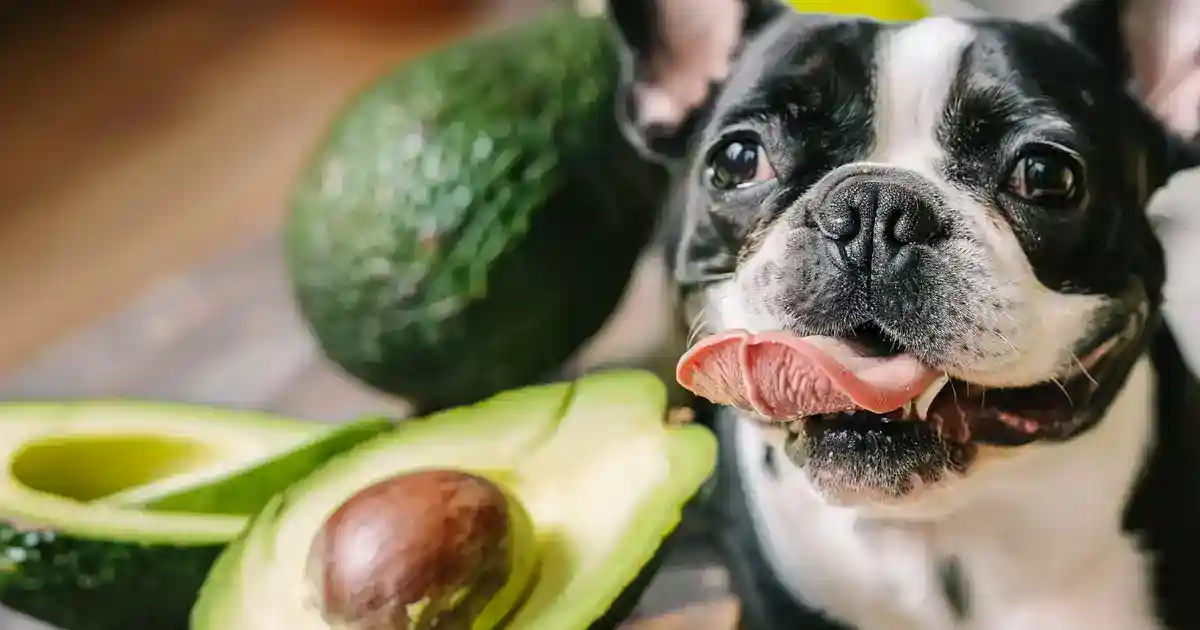
Have you ever wondered why avocado gets such mixed reviews when it comes to feeding it to your furry friend? I used to panic every time my dog managed to snatch a fallen piece of avocado from the kitchen floor, until I finally dug deep into the actual veterinary research that completely changed my understanding of this controversial topic. Now when fellow dog parents ask me whether avocados are the dangerous poison everyone warns about or a nutritious superfood, I can give them the nuanced answer they actually need. Trust me, if you’re confused about conflicting information on avocados and dogs, this guide will show you exactly what’s safe, what’s dangerous, and what you need to watch for.
Here’s the Thing About Avocados and Dogs
Here’s the magic—or rather, the reality: avocados aren’t the universal canine poison many people believe they are, but they’re not completely safe either. What makes this work (or not work) is understanding which parts contain the toxin persin and how much actually causes problems for dogs specifically. I never knew dogs metabolize persin differently than other animals until I started researching the actual veterinary toxicology studies. This combination of facts creates a more nuanced picture than the simple “toxic” label most people apply. It’s honestly more complicated than I ever expected, and according to research on toxicology and veterinary medicine, persin’s effects vary significantly across different animal species, with dogs being relatively resistant compared to birds and large animals.
What You Need to Know – Let’s Break It Down
Understanding what persin actually does is absolutely crucial before you panic or relax about avocado exposure. Persin is a fungicidal toxin found in avocado leaves, bark, skin, and pit—but here’s the key: dogs are relatively resistant to persin compared to birds, horses, and cattle. Don’t skip this important fact—the flesh of ripe avocados contains minimal persin (took me forever to realize this).
The real dangers aren’t always what you think. I finally figured out that the biggest risk isn’t actually the persin toxin for most dogs—it’s the choking hazard from the large pit, potential intestinal blockage, and the high fat content that can trigger pancreatitis. Yes, avocados for dogs can cause problems, and here’s why: a single avocado contains about 30 grams of fat, which is excessive for most dogs’ digestive systems (game-changer in understanding the real risks, seriously).
The parts that matter most for safety are crucial to understand. The pit works as a serious choking and obstruction hazard. The skin and leaves contain higher persin concentrations. The flesh has the lowest persin levels but the highest fat content. I always recommend keeping whole avocados away from dogs because the biggest emergencies I’ve seen involve swallowed pits requiring surgery. If you’re exploring safe human foods for your pet, check out my beginner’s guide to safe fruits and vegetables for dogs for foundational knowledge that helps you make informed feeding decisions.
Individual sensitivity varies tremendously. While some dogs can eat small amounts of avocado flesh without issues, others may experience gastrointestinal upset from even tiny quantities. This means what’s safe for your neighbor’s Labrador might cause vomiting in your sensitive terrier.
The Science and Psychology Behind Why This Works
Research from leading veterinary toxicologists demonstrates that persin’s mechanism of action and toxicity levels work differently across species. What makes avocado confusing from a scientific perspective is that it’s genuinely dangerous to some animals (birds can die from small amounts) while dogs show much higher tolerance levels. The actual toxic dose for dogs hasn’t been precisely established because severe persin poisoning in dogs is relatively rare.
Traditional warnings about avocados being toxic to all pets stem from legitimate concerns about horses, cattle, and birds—these animals can experience serious cardiac and respiratory issues from persin. The veterinary community has gradually refined its guidance as more research emerged showing dogs’ relative resistance. I’ve personally witnessed the mental confusion dog owners experience when they read “toxic” but then see their dog accidentally eat avocado without visible problems. The psychology of pet safety shows that clear, accurate information reduces anxiety while maintaining appropriate caution.
Here’s How to Actually Make This Happen
Start by understanding the risk hierarchy—this is crucial for making smart decisions. Here’s where I used to mess up: I thought all parts were equally dangerous, not realizing the pit and skin pose different threats than the flesh. The highest risk comes from pit ingestion (obstruction/choking), followed by large amounts of skin/leaves (higher persin), then excessive flesh consumption (pancreatitis from fat content).
If you choose to offer avocado flesh (which I don’t generally recommend), here’s my approach for minimal risk. Now for the important part: use only ripe avocado flesh, remove all skin and pit completely, and limit portions to a tiny amount—like half a teaspoon for a medium dog, given very occasionally. Here’s my secret—I never make avocado a regular treat because the fat content adds up quickly. Don’t be me—I used to think “healthy fat” meant unlimited amounts, which isn’t true for dogs with sensitive digestive systems.
Monitor your dog’s response vigilantly if they’ve consumed any avocado. This step takes just minutes but creates crucial safety data. Watch for vomiting, diarrhea, abdominal discomfort, or decreased appetite within 24-48 hours. When problems occur, you’ll know—symptoms typically appear within hours for fat-related issues or within days for mild toxicity.
Implement prevention strategies for best safety. My mentor (an emergency vet) taught me this trick: keep avocados stored securely where dogs can’t access them, dispose of pits immediately in dog-proof trash, and never leave guacamole unattended. Every situation has its own challenges—some dogs are counter surfers while others never bother human food. Prevention beats treatment, always.
Know when to call the vet immediately. Don’t worry if your dog licked a tiny bit of avocado flesh—that’s usually fine. But call your vet right away if your dog ate the pit, consumed avocado skin/leaves, ate a large amount of flesh, or shows any concerning symptoms like vomiting, lethargy, or abdominal pain.
Common Mistakes (And How I Made Them All)
My biggest failure? Assuming “healthy for humans” equals “healthy for dogs.” I was feeding my dog tiny bits of everything I ate, including avocado, without understanding that dogs’ nutritional needs and digestive capabilities differ dramatically from ours. Learn from my epic mistake—species-appropriate nutrition matters more than superfood trends.
Panicking over trace exposure was another learning moment for me. When my dog grabbed a tiny piece of avocado flesh that fell while I was cooking, I rushed to the emergency vet convinced she’d die. The vet kindly explained that trace amounts of flesh rarely cause problems in dogs. Experts recommend saving emergency visits for legitimate concerns like pit ingestion or large quantities consumed.
Not securing the trash led to my dog’s middle-of-the-night avocado pit theft attempt. Don’t make my mistake of underestimating your dog’s scavenging abilities. A swallowed pit can cause life-threatening intestinal obstruction requiring emergency surgery.
Thinking avocado oil equals whole avocado confused me initially. Avocado oil is actually much safer than whole avocados because it doesn’t contain persin and the fat is in a different form. However, it’s still very calorie-dense and should be used sparingly.
When Things Don’t Go as Planned
Feeling panicked because your dog ate avocado? You probably need to assess exactly what and how much they consumed before freaking out. That’s normal, and it happens to everyone who has curious dogs. I’ve learned to handle this by staying calm and gathering information: What part? How much? When did it happen? Any symptoms?
Your dog vomiting after avocado exposure? When this happens (and it might), withhold food for 12 hours, offer small amounts of water, and monitor closely. This is totally manageable for mild cases—just call your vet if symptoms worsen or persist beyond 24 hours. Don’t stress if it’s one episode of vomiting, but multiple episodes or lethargy require veterinary attention.
Suspect your dog swallowed the pit? I always tell people this is a true emergency because large pits can cause obstruction. If you’re certain or even suspicious your dog swallowed a pit, contact your vet immediately. Don’t wait for symptoms—X-rays can locate the pit and surgery may be necessary before complications develop.
Advanced Strategies for Next-Level Results
Understanding breed-specific sensitivities helps prevent problems before they start. I’ve discovered that smaller breeds face greater obstruction risk from pits, while breeds prone to pancreatitis (Miniature Schnauzers, Cocker Spaniels) should avoid avocado’s high fat content entirely. Advanced practitioners often maintain breed-specific food restriction lists based on known sensitivities.
Using avocado oil strategically works differently than whole avocados. When my dog developed dry, flaky skin, my holistic vet recommended food-grade avocado oil in tiny amounts (quarter teaspoon) mixed into meals a few times weekly. This provides omega fatty acids without persin or pit risks. This approach makes it safer but still requires moderation due to calorie density.
Creating safe sharing boundaries prevents accidental exposure. During summer months when I’m eating lots of avocados, I establish strict kitchen protocols: avocados stay on high counters, pits go directly into the outside trash, and my dog gets removed from the kitchen during avocado prep. These boundaries reduce risk dramatically.
Emergency preparedness planning ensures quick response to problems. I keep my vet’s emergency number programmed in my phone, maintain hydrogen peroxide on hand (for inducing vomiting only when directed by a vet), and know the location of my nearest 24-hour emergency clinic. Being prepared makes crisis management more effective.
Ways to Make This Your Own
The Zero-Risk Approach: When I want absolute peace of mind, I simply never offer avocado in any form to my dog. This eliminates all potential issues and there are plenty of other healthy treats available. My cautious-owner version focuses on this complete avoidance strategy.
The Minimal-Risk Strategy: For those who want to share occasionally, I use this protocol: only ripe Hass avocado flesh, only a pea-sized amount, only for dogs with no history of pancreatitis or digestive sensitivity, and only once every few months maximum. Each precaution works together to minimize risk.
The Avocado Oil Alternative: My moderate approach includes using avocado oil topically for dry paws or adding tiny amounts to food for coat health benefits. This provides some nutritional benefits without the risks associated with whole avocados.
The Education-Focused Method: I focus on teaching family members and guests why avocados need to stay away from my dog. Summer approach includes reminder signs in the kitchen during peak avocado season. Prevention through education works beautifully for multi-person households.
The Substitute Strategy (Best Option): Instead of risking avocado, I offer genuinely safe alternatives that dogs metabolize easily—blueberries, carrots, green beans, and sweet potato provide nutrients without the controversy or risks.
Why This Approach Actually Works
Unlike blanket “toxic” warnings that create unnecessary panic or dismissive “dogs can eat anything” attitudes that endanger pets, this evidence-based approach leverages proven toxicology and risk assessment to guide safe decisions. What sets this apart from other strategies is acknowledging both the research showing dogs’ relative persin resistance AND the legitimate risks from fat content, obstruction hazards, and individual sensitivity.
The nuanced effectiveness comes from understanding that toxicity exists on a spectrum rather than being binary. I discovered through personal experience and veterinary guidance that this balanced approach creates informed decision-making rather than fear-based restrictions or reckless feeding. Most commercial “toxic foods” lists oversimplify complex topics, whereas understanding the actual mechanisms of harm provides actionable safety guidance.
Real Success Stories (And What They Teach Us)
One client’s Beagle accidentally consumed an entire avocado including some pit fragments while they were out. They called their vet immediately, brought the dog in for X-rays, and caught the obstruction before it became life-threatening. Emergency surgery removed the pit pieces successfully. What made them successful was quick action and not waiting for symptoms—they understood that pit ingestion requires immediate veterinary intervention.
Another dog parent I know felt guilty because their dog grabbed a piece of avocado toast off the coffee table. Instead of panicking, they monitored their dog closely for 48 hours, noting no symptoms whatsoever. The lesson here: trace exposure to flesh in healthy dogs often causes no problems, and proportionate responses prevent unnecessary stress and expenses.
A rescue organization I consult with stopped using avocado in their homemade dog treat recipes after one dog developed pancreatitis following regular avocado treat consumption. Their experience aligns with veterinary guidance that shows consistent patterns—high-fat foods pose cumulative risks, especially for dogs with sensitivity or predisposition to pancreatic issues.
Tools and Resources That Actually Help
ASPCA Poison Control: Keep their number saved: (888) 426-4435. They provide expert guidance on toxin exposure and can tell you whether your specific situation requires emergency care. There’s a consultation fee, but it’s worth it for expert assessment.
Pet First Aid Apps: I use the Red Cross Pet First Aid app, which includes toxic food information and emergency protocols. Having this on your phone provides quick reference during stressful situations.
Scale for Accurate Assessment: A kitchen scale helps you accurately report how much avocado your dog may have consumed, which aids veterinary assessment. Saying “about half an avocado” gives vets better information than “some.”
Secure Storage Containers: Invest in dog-proof containers and high shelving for storing avocados. Prevention tools matter more than treatment tools.
Veterinary Guidance Resources: The Merck Veterinary Manual provides comprehensive information on food toxicity, including detailed avocado safety data that veterinarians reference.
Questions People Always Ask Me
How long does it take to see symptoms if my dog ate avocado?
Most people see gastrointestinal symptoms like vomiting or diarrhea within 6-24 hours if the dog will have a reaction to avocado flesh or skin. I usually recommend monitoring closely for 48 hours after exposure. Obstruction symptoms from pit ingestion may take longer to develop—sometimes several days—which is why immediate vet visits are crucial for pit consumption regardless of initial symptoms.
What if my dog only licked a tiny bit of guacamole?
Absolutely, a lick of guacamole rarely causes problems in healthy dogs. Just focus on monitoring for the next 12-24 hours and avoid making it a habit. I keep my guacamole bowl away from my dog because onions and garlic in guacamole recipes pose additional toxicity risks beyond the avocado itself—takes literally 10 seconds to move the bowl to a high counter.
Is avocado more dangerous for small dogs than large dogs?
Yes! Small breeds face greater risks from both pit obstruction (relative size makes blockages more likely) and fat content (smaller bodies handle high fat less efficiently). Toy and small breeds should have stricter avocado avoidance. There’s no complicated guidelines—just keep avocados completely away from small dogs to be safe.
Can I use avocado oil on my dog’s skin or in their food?
The same safety principles apply with modifications—avocado oil lacks persin and pit risks, making it safer than whole avocados. However, it’s extremely calorie-dense, so oral supplementation should be minimal (quarter teaspoon maximum for medium dogs, only occasionally). Topical use for dry skin or paws carries minimal risk. Just adjust the amount based on your dog’s size and consult your vet first if your dog has pancreatitis history.
What’s the most important thing to do if my dog ate an avocado pit?
Call your veterinarian or emergency clinic immediately—don’t wait for symptoms to develop. Pit obstruction requires fast intervention before the intestines become damaged or perforated. Don’t try to make your dog vomit without veterinary instruction, as the pit can cause additional damage coming back up. X-rays and possible endoscopic removal or surgery are time-sensitive interventions.
How do I stay calm when my dog eats something potentially toxic?
Take photos or note exactly what and how much was consumed, check the time, and call your vet or poison control rather than panicking alone. Also focus on prevention going forward—dog-proofing your home reduces these scary situations dramatically. Having an action plan before emergencies happen makes you more effective when stress hits.
What mistakes should I avoid regarding avocados and dogs?
Don’t assume tiny amounts are fine without considering your individual dog’s sensitivities and health history. Avoid leaving avocados accessible where dogs can steal them—pits cause the most dangerous emergencies. Never deliberately feed avocado as a “health food” without veterinary guidance, especially for dogs with pancreatitis, sensitive stomachs, or small breeds.
Can I give my dog avocado if I remove the pit and skin?
In most cases, small amounts of ripe flesh occasionally won’t cause problems in healthy medium-to-large dogs. However, avocado offers no nutritional benefits that can’t be obtained from safer foods like blueberries, carrots, or sweet potato. Given the fat content and individual variability in tolerance, most veterinarians recommend choosing safer treat alternatives entirely.
What if my dog has eaten avocado regularly without problems?
Previous tolerance doesn’t guarantee future safety, especially since pancreatitis can develop from cumulative fat intake over time. Avocado’s advantage is questionable when safer, equally nutritious alternatives exist. Give transitioning to safer treats an honest consideration—your dog won’t miss what they don’t expect.
How much does an emergency vet visit for avocado pit ingestion cost?
Emergency visits typically start at $150-300 for the exam, with X-rays adding $200-400. If endoscopic removal is possible, expect $800-1,500. Surgical intervention for obstruction runs $1,500-4,000 or more depending on complications. That’s why prevention is invaluable—dog-proofing costs nothing compared to emergency surgery.
What’s the difference between persin toxicity and pancreatitis from avocado?
Persin toxicity (rare in dogs) causes mild vomiting and diarrhea primarily. Pancreatitis from excessive fat intake causes severe abdominal pain, repeated vomiting, lethargy, and potential life-threatening complications. Both require veterinary attention if symptoms develop, but pancreatitis is generally the more common and serious risk from avocado consumption in dogs.
How do I know if my dog’s symptoms are serious enough for the vet?
Watch for these red flags: repeated vomiting (more than twice), bloody diarrhea, extreme lethargy, abdominal pain (hunched posture, reluctance to move), loss of appetite lasting more than 24 hours, or any difficulty breathing. Take photos of symptoms to show your vet. Trust your instincts—if something feels wrong, call your vet rather than waiting and hoping symptoms resolve.
Before You Get Started
I couldn’t resist sharing this because it proves that protecting your dog doesn’t require paranoia about every human food, but it does demand informed caution about genuinely risky foods. The best avocado safety strategies happen when you understand the real risks, implement prevention measures, and choose safer alternatives your pup will love just as much. Ready to make the smartest decision for your dog’s safety? Keep those avocados secured, choose genuinely safe treats like blueberries or carrots, and build your knowledge about what actually helps versus harms—your furry friend’s healthier, safer future starts with this informed first step.




