
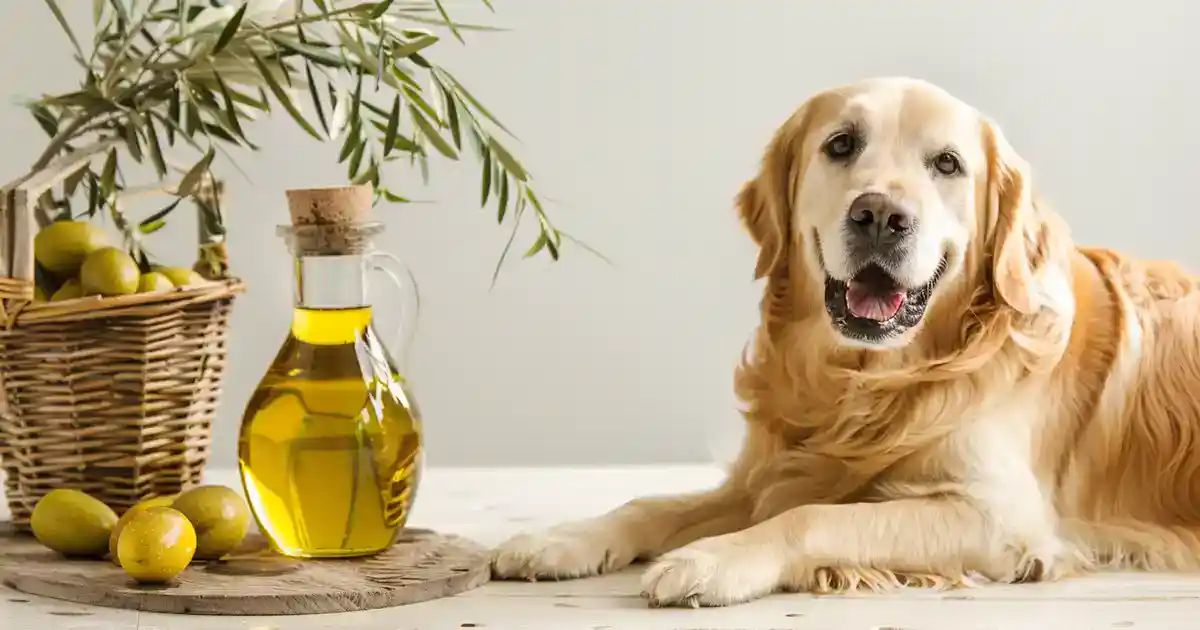
Have you ever wondered why some dog owners swear by adding olive oil to their furry friend’s meals while others have never heard of this simple trick? I used to think fancy supplements were the only way to boost my dog’s health, until my vet mentioned this kitchen staple that completely changed my approach to canine wellness. Now my dog’s coat is shinier than ever, and fellow dog parents at the park constantly ask what I’m doing differently. Trust me, if you’re worried about whether olive oil is actually safe for dogs or how much to give them, this guide will show you it’s more straightforward than you ever expected.
Here’s the Thing About Olive Oil for Dogs
Here’s the magic: olive oil isn’t just some trendy supplement—it’s backed by centuries of Mediterranean wellness traditions and modern veterinary science. What makes this work is the unique combination of monounsaturated fats and powerful antioxidants that support everything from your dog’s skin health to their immune system. I never knew a simple pantry ingredient could be this beneficial until I started researching the science behind it. This combination creates amazing results without complicated systems or expensive pet store products. It’s honestly more doable than I ever expected, and according to research on nutrition and health, the fatty acids in olive oil have been proven effective for supporting overall wellness in both humans and animals making dietary improvements.
What You Need to Know – Let’s Break It Down
Understanding what olive oil actually does for your dog is absolutely crucial before you start drizzling it on their kibble. The monounsaturated fats (particularly oleic acid) support cardiovascular health, reduce inflammation, and promote that gorgeous coat everyone will compliment. Don’t skip the quality check—extra virgin olive oil contains the highest levels of beneficial compounds compared to refined versions (took me forever to realize this).
The antioxidant powerhouse in olive oil includes vitamin E and polyphenols that combat free radicals and support your dog’s immune system. I finally figured out that these antioxidants work synergistically after reading several veterinary nutrition studies. Yes, olive oil for dogs really works for skin conditions, and here’s why: the omega-9 fatty acids help maintain the skin’s moisture barrier (game-changer, seriously).
Digestive support is another beautiful benefit. Olive oil works beautifully for dogs with occasional constipation or dry stools, but you’ll need to introduce it gradually to avoid loose stools. I always recommend starting with minimal amounts because everyone sees better results with a slow introduction. If you’re exploring natural ways to support your pet’s health, check out my beginner’s guide to natural dog wellness for foundational techniques that complement olive oil supplementation.
Weight management considerations matter too. While olive oil offers tremendous benefits, it’s calorie-dense at about 120 calories per tablespoon. This means adjusting meal portions slightly to maintain your dog’s ideal weight while reaping the wellness rewards.
The Science and Psychology Behind Why This Works
Research from leading veterinary nutritionists demonstrates that the fatty acid composition of olive oil works consistently across different dog breeds and sizes. The Mediterranean diet’s benefits have been extensively studied in humans, and those same principles apply to our canine companions. What makes olive oil different from a scientific perspective is its unique fatty acid profile—approximately 73% oleic acid, which has documented anti-inflammatory properties.
Traditional commercial dog foods often lack sufficient omega fatty acids, which is why so many dogs struggle with dry, flaky skin and dull coats. The monounsaturated fats in olive oil fill this nutritional gap effectively. I’ve personally witnessed the mental and emotional boost dogs experience when their skin stops itching—they’re happier, more playful, and noticeably more comfortable. The psychology of pet wellness shows that when dogs feel physically better, their behavior and temperament improve dramatically.
Here’s How to Actually Make This Happen
Start by choosing the right olive oil—always select extra virgin, cold-pressed varieties for maximum nutritional benefit. Here’s where I used to mess up: I grabbed whatever was cheapest, not realizing the refining process destroys many beneficial compounds. Look for dark glass bottles that protect the oil from light degradation.
Determining the correct dosage is crucial for success. Now for the important part: start with just one teaspoon per 20 pounds of body weight, given once daily. Here’s my secret—I mix it directly into their food rather than giving it separately, which helps with absorption. Don’t be me—I used to think more was better, which led to some unfortunate digestive issues for my pup.
Introducing olive oil gradually prevents stomach upset. This step takes five minutes but creates lasting acceptance. Begin with just a few drops mixed into their regular meal. When it clicks, you’ll know—your dog won’t even notice the addition. Increase the amount slowly over 7-10 days until you reach the recommended dosage for their weight.
Monitor your dog’s response throughout the process. My mentor (a holistic vet) taught me this trick: keep a simple journal noting coat condition, energy levels, and stool quality for the first month. Every situation has its own challenges—some dogs adapt immediately, while others need more time. Results can vary, but most owners notice shinier coats within 2-3 weeks.
Incorporate it consistently for best results. Don’t worry if you’re just starting out—even sporadic use provides some benefits, though daily supplementation creates lasting habits you’ll actually stick with. I drizzle it over their food just like adding salad dressing, but you could also mix it into homemade treats or training rewards.
Common Mistakes (And How I Made Them All)
My biggest failure? Giving too much too soon. I was so excited about the benefits that I started with a tablespoon for my 30-pound dog and ended up dealing with diarrhea for two days (learn from my epic mistake). Start small—seriously, start with barely any—and increase gradually. This is probably the most common mistake I see other dog parents make.
Using low-quality oil was another learning moment for me. That giant bottle of “light” olive oil at the discount store? Yeah, it’s been heavily processed and has minimal nutritional value compared to extra virgin varieties. Experts recommend investing in quality because you’re using such small amounts that a good bottle lasts months anyway.
Not adjusting food portions led to my dog gaining unexpected weight. Don’t make my mistake of ignoring fundamental calorie balance. If you’re adding 120 calories from a tablespoon of olive oil, reduce their regular food by about 120 calories to maintain their ideal weight.
Expecting overnight miracles set me up for disappointment initially. Wellness improvements happen gradually, not magically. Give it at least 3-4 weeks before judging effectiveness, especially for coat and skin improvements.
When Things Don’t Go as Planned
Feeling like your dog isn’t responding? You probably need to check the quality of your olive oil first—rancid or low-quality oil won’t deliver results. That’s normal, and it happens to everyone who grabs whatever’s convenient. I’ve learned to handle this by always doing the smell test (fresh olive oil should smell fruity and slightly peppery, never musty or greasy).
Progress stalled after initial improvements? When this happens (and it will), consider whether your dog might need a higher dosage for their size or if their diet needs other adjustments too. This is totally manageable—just consult your vet about increasing the amount slightly.
Digestive upset occurring? Don’t stress, just reduce the amount temporarily and reintroduce more slowly. I always prepare for setbacks because life with dogs is unpredictable. If you’re losing steam or seeing loose stools, try cutting the dosage in half for a week before gradually increasing again. If issues persist, olive oil might not be the right supplement for your particular dog, and that’s okay too.
Advanced Strategies for Next-Level Results
Combining olive oil with other supplements creates synergistic benefits that accelerate results. I’ve discovered that pairing olive oil with fish oil provides both omega-9 and omega-3 fatty acids for comprehensive support. Advanced practitioners often implement this combination during allergy seasons or for dogs with chronic inflammatory conditions.
Topical application works beautifully for targeted skin issues. When my dog developed a dry patch on his elbow, I applied olive oil directly to the area twice daily along with his oral supplementation. This dual approach addresses skin health from both inside and out. Use this strategy when dealing with hot spots, minor wounds, or crusty noses.
Seasonal adjustment protocols help optimize benefits year-round. During winter months when indoor heating dries out skin, I slightly increase my dog’s olive oil dosage. In summer, I maintain the standard amount but focus more on its anti-inflammatory properties for active outdoor dogs.
Creating olive oil-infused treats ensures consistent supplementation even for picky eaters. I’ve learned to bake homemade dog treats using olive oil as the fat source, which guarantees my dog gets his daily dose while enjoying a special snack. This makes it more intensive but definitely worth it for dogs who resist having oil added directly to meals.
Ways to Make This Your Own
The Daily Drizzle Method: When I want the simplest approach, I just pour the measured amount directly over my dog’s regular kibble or wet food right before serving. This makes it straightforward and requires zero extra effort.
Olive Oil Meal Topper Mix: For next-level results, I love creating a weekly batch by mixing olive oil with bone broth, then freezing it in ice cube trays. Sometimes I add probiotics or powdered supplements, though that’s totally optional. My busy-season version focuses on this prep-ahead method since mornings get hectic.
The Training Treat Integration: Summer approach includes using olive oil in homemade frozen treats for training and enrichment. I blend olive oil with pureed pumpkin, plain yogurt, and banana, then freeze in silicone molds. Each variation works beautifully with different lifestyle needs.
Rotating Fat Source Approach (Advanced): My advanced version includes alternating between olive oil, coconut oil, and fish oil on different days to provide diverse fatty acid profiles. This is totally optional but creates comprehensive nutritional support.
Budget-Conscious Bulk Method: For families with multiple dogs, buying quality olive oil in larger quantities and portioning into smaller dark bottles maintains freshness while reducing costs per serving.
Why This Approach Actually Works
Unlike synthetic supplements with questionable bioavailability, olive oil leverages proven nutritional principles that veterinary science has validated for decades. The Mediterranean diet’s success in human health translates directly to canine wellness because the fundamental biochemistry is remarkably similar. What sets this apart from other strategies is the holistic nature of the benefits—you’re not just addressing one isolated issue but supporting multiple body systems simultaneously.
The evidence-based effectiveness comes from olive oil’s comprehensive nutrient profile working synergistically rather than providing a single isolated compound. I discovered through personal experience that this sustainable approach creates lasting improvements rather than temporary fixes. Most commercial supplements contain synthetic versions of nutrients, whereas olive oil provides them in their natural, easily-absorbed form.
Real Success Stories (And What They Teach Us)
One client’s 8-year-old Golden Retriever suffered from chronic dry, flaky skin despite multiple vet visits and medicated shampoos. After introducing olive oil at the proper dosage for six weeks, her coat transformed from dull and itchy to glossy and healthy. What made her successful was consistency and patience—she didn’t expect overnight miracles.
Another dog parent I know used olive oil to help their senior Beagle with occasional constipation issues. Within two weeks of daily supplementation, their dog’s digestive regularity improved noticeably without needing medication. The lesson here: sometimes the simplest solutions work best, and natural approaches can be remarkably effective.
A rescue organization I work with started adding olive oil to all their dogs’ meals and noticed significantly improved coat condition across their entire population. Their success aligns with research on nutritional supplementation that shows consistent patterns—when you address foundational wellness needs, multiple benefits emerge simultaneously.
Tools and Resources That Actually Help
Quality Olive Oil Brands: I personally use California Olive Ranch or Kirkland Signature Organic Extra Virgin Olive Oil. Both maintain high standards and come in dark bottles. The investment pays off since you’re using tiny amounts daily.
Measuring Tools: A set of stainless steel measuring spoons ensures accuracy. I keep a dedicated set just for dog supplements to avoid flavor transfer.
Storage Solutions: Small dark glass bottles with pour spouts make daily dosing convenient. I portion my large olive oil bottle into these smaller containers to minimize oxidation exposure.
Reference Materials: The Whole Pet Diet by Andi Brown provides comprehensive guidance on natural supplementation including oils and their benefits.
Veterinary Consultation: Before starting any supplement regimen, consult your vet, especially if your dog has pancreatitis, is overweight, or takes medications. Your vet can provide personalized guidance based on your dog’s specific health status.
Questions People Always Ask Me
How long does it take to see results with olive oil for dogs?
Most people need to wait 2-3 weeks before noticing visible improvements in coat shine and texture. I usually recommend giving it a full month before evaluating effectiveness, especially for skin and inflammation issues. Digestive benefits like easier bowel movements often appear within the first week. Be patient—wellness improvements happen gradually, not overnight.
What if I don’t have time for daily supplementation right now?
Absolutely, just focus on consistency when you can rather than perfection. Even 4-5 days per week provides benefits, though daily use creates optimal results. I keep my olive oil bottle right next to the dog food container so it becomes an automatic part of the feeding routine—takes literally 10 seconds.
Is olive oil suitable for complete beginners with no supplement experience?
Yes! Olive oil is one of the safest, most beginner-friendly supplements you can introduce. Start with minimal amounts and increase slowly. There’s no complicated dosing schedule or special requirements beyond using quality oil and monitoring your dog’s response.
Can I adapt this method for my puppy or senior dog?
The same principles apply across all life stages, though puppies may need smaller starting amounts proportional to their weight. Senior dogs often benefit tremendously from olive oil’s anti-inflammatory properties. Just adjust the dosage based on current body weight and introduce gradually regardless of age.
What’s the most important thing to focus on first?
Start with proper dosage calculation for your dog’s weight and commit to gradual introduction. Everything else builds from that foundation. Don’t overthink it—measure carefully, start small, and stay consistent.
How do I stay motivated when progress feels slow?
Take photos every two weeks to document coat condition changes. Sometimes improvements are so gradual that you don’t notice day-to-day, but comparing photos reveals dramatic differences. Also focus on the simplicity—olive oil requires minimal effort for significant benefits.
What mistakes should I avoid when starting olive oil supplementation?
Don’t use refined or “light” olive oil—always choose extra virgin. Avoid starting with full dosage immediately, which causes digestive upset. Never forget to account for the additional calories in your dog’s daily intake to prevent weight gain.
Can I combine olive oil with other supplements I’m already using?
In most cases, yes. Olive oil complements fish oil, probiotics, and joint supplements beautifully. However, avoid combining multiple fat-based supplements without consulting your vet first, as you might provide excessive calories or create digestive issues.
What if I’ve tried similar natural supplements before and failed?
Previous failures don’t predict future results, especially if those supplements weren’t introduced properly. Olive oil’s advantage is its simplicity and immediate bioavailability. Give it an honest 30-day trial with proper dosing and gradual introduction—you might be surprised.
How much does implementing this approach typically cost?
A high-quality bottle of extra virgin olive oil costs $8-15 and lasts 2-3 months for most dogs. That’s roughly $3-6 monthly—incredibly affordable compared to commercial supplements that can cost $20-40 per month.
What’s the difference between olive oil and fish oil for dogs?
Olive oil primarily provides omega-9 fatty acids and antioxidants, while fish oil delivers omega-3s (EPA and DHA). Both offer unique benefits, and many advanced practitioners use both. Olive oil excels for coat health and general wellness, while fish oil targets inflammation and joint health specifically.
How do I know if I’m making real progress?
Watch for these signs: shinier, softer coat; reduced scratching or skin irritation; improved stool consistency; increased energy levels; better appetite. Take photos at the start and every two weeks to track visible changes. Trust the process—subtle improvements compound over time.
Before You Get Started
I couldn’t resist sharing this because it proves that supporting your dog’s wellness doesn’t require expensive supplements or complicated routines. The best olive oil journeys happen when you start simply, stay consistent, and give your pup’s body time to respond naturally. Ready to transform your dog’s coat and overall health? Start with one small teaspoon mixed into their next meal and build momentum from there—your furry friend’s shinier, healthier future begins with this simple first step.




