
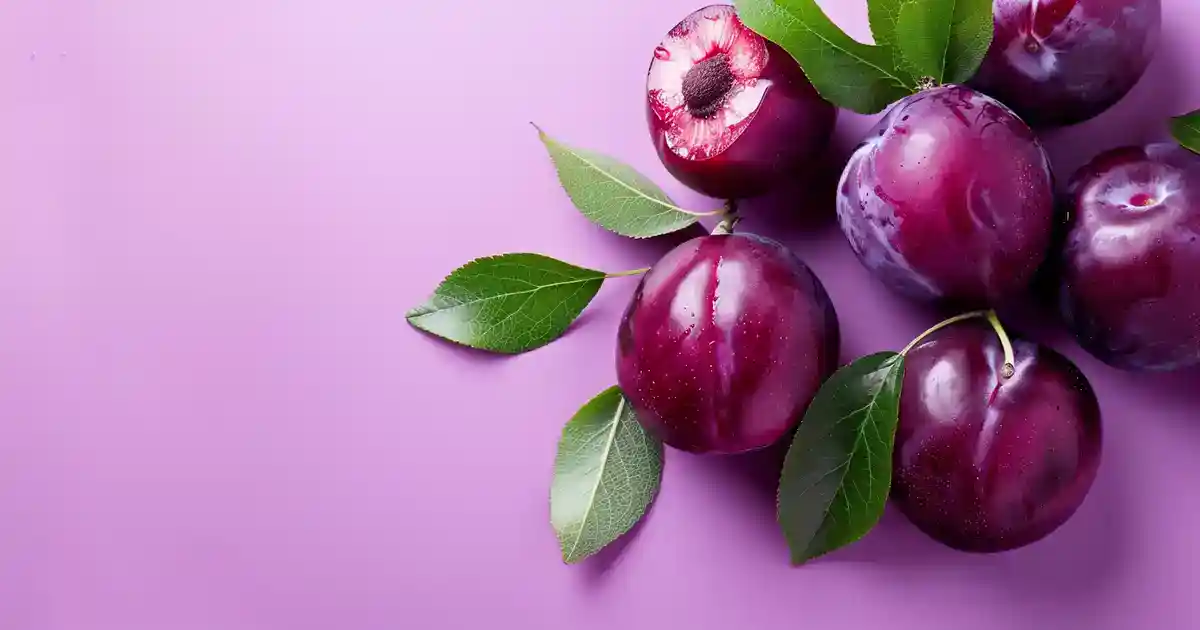
The Question That Stops Every Dog Parent Mid-Snack
Have you ever wondered why feeding your dog plums feels risky when other fruits seem perfectly safe? I used to think all stone fruits were automatically dangerous for dogs, until I discovered the nuanced truth about plums that completely changed my understanding of fruit safety. Now my fellow dog parents constantly ask whether the plum panic is justified, and my vet (who appreciates informed questions) gave me the real story about what makes plums different from safe fruits like apples or blueberries. Trust me, if you’re confused about conflicting advice online, this guide will show you the complete picture more clearly than you ever expected.
Here’s the Thing About Dogs and Plums
Here’s the reality: plums are not safe for dogs in most practical circumstances, but not for the reasons you might think. The flesh itself isn’t toxic, but the risks associated with plums—particularly the pit, stem, and leaves—make them a poor choice for canine treats. What makes this complicated is understanding which parts pose which dangers and why the risks outweigh any potential benefits. I never knew fruit safety could be this nuanced until I learned the specific mechanisms of toxicity. It’s honestly more complex than I ever expected—the pit creates multiple hazards that make plums fundamentally different from dog-safe fruits.
According to research on cyanogenic glycosides in stone fruits, plum pits, leaves, and stems contain amygdalin, a compound that breaks down into cyanide when digested. This combination of chemical toxicity plus physical choking and obstruction hazards creates serious risks that simple preparation cannot fully eliminate.
What You Need to Know – Let’s Break It Down
Understanding why plums are problematic is absolutely crucial before you consider any exceptions. The pit (stone) contains cyanogenic compounds that release cyanide when chewed or digested. Don’t skip understanding this danger—even small amounts of cyanide can cause serious harm to dogs (game-changer for perspective, seriously).
The physical dangers are equally concerning. I finally figured out that plum pits present three distinct hazards: choking (particularly in small to medium dogs), intestinal obstruction if swallowed whole, and broken teeth if dogs try to chew them. The pit is smooth and slippery, making it easy to accidentally swallow, and it’s sized perfectly to lodge in a dog’s throat or intestinal tract.
The flesh itself isn’t technically toxic but creates problems. Plum flesh is high in natural sugars that can upset your dog’s stomach, cause diarrhea, and contribute to weight gain or blood sugar spikes in diabetic dogs. The high fiber content that benefits humans can cause digestive distress in dogs not accustomed to large amounts of fruit.
Quantity matters tremendously (took me forever to realize this). A tiny taste of plum flesh without pit, stem, or skin probably won’t harm a large, healthy dog. But there’s no safe amount of the pit, and even the flesh can cause issues in dogs with sensitive stomachs, diabetes, or pancreatitis. I always recommend avoiding plums entirely because the risk-benefit ratio doesn’t favor dogs.
If you’re looking for genuinely safe fruit alternatives that provide nutritional benefits without the risks, check out my complete guide to dog-safe fruits and vegetables for dozens of better options that won’t make you worry.
The Science and Toxicology Behind Why This Matters
Dive deeper into the chemistry, and you’ll find concerning mechanisms. Amygdalin, the compound in plum pits, is a cyanogenic glycoside that the body’s enzymes break down into hydrogen cyanide. Cyanide prevents cells from using oxygen, essentially causing cellular suffocation. Even small amounts can cause symptoms ranging from difficulty breathing to seizures.
Research from veterinary toxicologists demonstrates that the concentration of amygdalin varies significantly between stone fruit varieties and ripeness levels, making it impossible to determine a “safe” amount. Unlike fruits with edible seeds (like blueberries or strawberries), stone fruit pits contain concentrated toxins specifically evolved to prevent animals from destroying the seed.
What makes this different from many other food toxicity concerns is the combination of chemical and physical dangers. While chocolate toxicity or xylitol poisoning involve only chemical mechanisms, plums present multiple simultaneous risks. Your dog doesn’t have to chew the pit to face obstruction dangers, and the act of chewing to break obstruction creates toxicity risk.
Here’s what research actually shows: dogs have died from plum pit consumption, though deaths are relatively rare. According to studies on veterinary emergency cases, intestinal obstruction from pits is more common than cyanide poisoning, but both occur with sufficient frequency to warrant serious caution. The Pet Poison Helpline receives numerous calls about stone fruit ingestion annually.
Here’s How to Keep Your Dog Safe Around Plums
Start by preventing access entirely. Here’s where I used to mess up—I’d eat a plum and casually toss the pit in the kitchen trash, not realizing my curious dog would investigate later. Store whole plums securely where dogs cannot reach them. Use trash cans with locking lids or take pits directly to outdoor bins your dog cannot access.
Now for the important part: educating everyone in your household. Kids often share their snacks with dogs without understanding the risks. Guests might think they’re being nice by giving your dog a treat. Make sure every person who interacts with your dog knows that plums (and all stone fruits—peaches, cherries, apricots, nectarines) are off-limits. This step takes minimal time but creates lasting safety.
If your dog does eat plum flesh (without pit), monitor closely for digestive upset. Watch for vomiting, diarrhea, excessive drooling, or signs of abdominal pain like hunching or reluctance to move. Most dogs will be fine after small amounts of flesh, but individuals with sensitive stomachs may need supportive care. Results vary based on the amount consumed and your dog’s individual tolerance.
Here’s my secret for emergency preparedness: know the signs of obstruction and cyanide toxicity before problems occur. Don’t be me—I used to have only vague ideas about emergency symptoms. Obstruction signs include repeated vomiting, inability to keep water down, abdominal pain, lethargy, and loss of appetite. Cyanide toxicity presents as difficulty breathing, bright red gums, dilated pupils, shock, seizures, or collapse. When you recognize these symptoms immediately, you’ll know to seek emergency care without delay.
Have your emergency vet contact readily available until you feel completely confident you’d act appropriately in a crisis. Program the number into your phone. Know the location of your nearest 24-hour emergency veterinary hospital. Every dog owner should have the ASPCA Poison Control (888-426-4435) or Pet Poison Helpline (855-764-7661) numbers saved—both charge consultation fees but provide expert guidance.
Choose safer fruit alternatives that provide similar benefits without risks. Blueberries, seedless watermelon, apple slices (without core or seeds), bananas, and strawberries all make excellent dog treats. This creates a positive approach rather than just restricting—your dog still gets healthy treats, just safer ones.
Don’t worry if you’re just starting out with understanding food safety for dogs. Begin by focusing on the obviously dangerous items (chocolate, grapes, xylitol, and stone fruits), then gradually expand your knowledge. A good rule of thumb: when in doubt about any human food, research it thoroughly or simply skip it—your dog’s regular food provides complete nutrition.
Common Mistakes (And How I Made Them All)
Don’t make my mistake of thinking “just the flesh” is safe enough to regularly share with your dog. Those first few times I offered tiny tastes of plum flesh, nothing bad happened, which made me careless. But even pit-free flesh contributes to poor habits—your dog learns that plums are food for them, increasing the likelihood they’ll eat a whole plum (including pit) if they find one accessible.
Underestimating how quickly dogs can swallow pits is epidemic among fruit-eating dog owners. I’ve been there—you turn away for two seconds to rinse your hands, and the pit you set on the counter has vanished. Dogs don’t chew thoroughly like humans; they often swallow large objects whole, especially when excited or sneaking something they know they shouldn’t have.
Another mistake I made: not recognizing that plum trees are equally dangerous. If you have a plum tree in your yard, fallen fruit becomes a major hazard. Dogs will eat fermented fallen plums (which can cause alcohol toxicity in addition to other risks), and they’ll absolutely crunch through pits when eating whole fruits. I finally learned to pick up fallen fruit daily and consider fencing off fruit trees during harvest season.
Comparing plums to safe fruits was my fourth epic failure. “If dogs can eat apples, surely plums are fine” seems logical until you understand the fundamental difference: apple seeds contain amygdalin too, but in much smaller quantities and they’re easy to remove, whereas plum pits contain concentrated amounts and are the dominant feature of the fruit.
Finally, delaying veterinary care after suspected pit ingestion. I used to think “wait and see” was reasonable for unclear situations. But with intestinal obstruction, every hour matters. What seems like mild symptoms can deteriorate rapidly, and surgical intervention becomes more complicated the longer a foreign object remains lodged.
When Things Don’t Go as Planned
Your dog ate a plum pit and you’re panicking? You need veterinary guidance immediately, not internet reassurance. That’s the appropriate response, and every responsible dog owner should prioritize professional assessment over hoping everything works out. I’ve learned to handle this by calling my vet or emergency clinic right away, describing exactly what happened (how many pits, how long ago, dog’s size and symptoms), and following their specific instructions.
Symptoms appearing but you’re unsure if they’re serious? When this happens (and it does with food-related incidents), err on the side of caution. Vomiting once might be nothing; repeated vomiting indicates a problem. Lethargy combined with loss of appetite warrants immediate evaluation. This is totally manageable if you act promptly rather than waiting for symptoms to worsen.
Your dog seems fine but definitely ate a pit hours ago? Don’t relax completely just because immediate symptoms haven’t appeared. Intestinal obstruction can take 12-24 hours to manifest as the pit travels through the digestive tract. I always prepare for potential delayed symptoms by monitoring carefully for at least 48-72 hours after any foreign object ingestion.
Multiple dogs in your household and you’re not sure which one ate the pit? If you’re losing steam trying to determine the culprit, observe all dogs carefully and consider getting radiographs (X-rays) for any showing symptoms. Pits are radio-opaque and will show up clearly on X-rays, allowing definitive diagnosis.
When motivation fails to maintain strict food safety after one incident passes without consequences, remember that you got lucky—next time might not end well. Techniques for maintaining vigilance about pet safety can help reset your mindset when you feel complacent after close calls.
Advanced Strategies for Household Safety
Taking fruit safety to the next level means understanding all stone fruits and related hazards. Advanced practitioners often implement comprehensive protocols including:
- Yard management: Regular inspection for fallen fruit from trees (yours or neighbors’ overhanging branches)
- Trash protocols: Immediate disposal of all pits in dog-proof containers
- Guest education: Written instructions for pet-sitters and visitors about forbidden foods
- Emergency preparedness: Hydrogen peroxide for induced vomiting (only when instructed by vet), activated charcoal on hand, emergency fund for unexpected vet bills
Advanced monitoring techniques I’ve discovered include taking baseline photos of your dog’s gum color (for comparison if toxicity suspected), knowing your dog’s normal respiratory rate and heart rate, and understanding your specific dog’s typical behavior so you recognize subtle changes indicating problems.
Risk assessment for individual dogs separates informed owners from those applying generic advice. Small dogs face greater obstruction risk from the same sized pit that might pass through a large dog. Dogs with previous GI surgeries have increased stricture risk. Brachycephalic breeds (flat-faced dogs) have increased choking risk. When and why these individual factors matter depends on your specific dog’s health history and anatomy.
What separates excellent safety protocols from basic awareness is environmental scanning. Before every walk, I mentally catalog potential hazards—is this the season when plum trees drop fruit? Are we walking past community gardens where stone fruits grow? Is there a farmers market where dropped fruit might be on sidewalks? This advanced awareness prevents problems before they occur.
Medical intervention understanding prepares you for potential treatments. If your dog ingests a pit, treatments might include induced vomiting (if recent and not contraindicated), endoscopic removal, surgical removal, or monitoring with supportive care. Understanding options before emergencies occur reduces panic and enables better decision-making.
Alternative Safe Fruits Your Dog Will Love
Berry Bonanza: Blueberries, strawberries, raspberries, and blackberries all make excellent dog treats with powerful antioxidants, low sugar relative to other fruits, and no dangerous pits. My go-to summer treat is frozen blueberries—dogs love the texture and they’re mess-free.
Melon Magic: Seedless watermelon and cantaloupe (without rind) provide hydration and vitamins without risks. Sometimes I freeze melon cubes for hot days (though that’s totally optional). For next-level results, I love blending watermelon and freezing it in silicone molds for special treats.
Tropical Options: Papaya (as discussed in other articles), mango flesh (without pit—same stone fruit caution!), and pineapple in small amounts offer vitamin C and digestive enzymes. My advanced version includes mixing tropical fruits with plain yogurt for probiotic benefits.
Classic Apple Slices: Apples without core, seeds, or stem make crunchy treats most dogs enjoy. For busy professionals who don’t have time for elaborate prep, buying pre-sliced apples from the produce section and just removing any seed fragments works perfectly.
Banana Benefits: This convenient fruit requires zero prep beyond peeling and slicing. Budget-conscious variation: buy overripe bananas at discount, mash them, and freeze in ice cube trays for extended use.
Each fruit alternative works beautifully with different preferences and situations. The key is finding options you’ll confidently offer without worrying about safety—that confidence matters more than optimizing every nutritional component.
Why This Caution Actually Matters
Unlike dismissive advice that claims “a little won’t hurt,” this approach leverages proven toxicology and emergency veterinary experience that many casual dog owners ignore. The difference lies in recognizing that risk assessment involves probability multiplied by severity—even if the probability of serious harm is relatively low, the severity (potential death) makes avoidance the only reasonable choice.
The underlying principle is simple: dogs don’t need plums nutritionally. They receive complete nutrition from quality dog food. Treats should be safe first, beneficial second. What sets this apart from overly cautious fear-mongering is the recognition that truly safe fruit alternatives exist, so restricting plums isn’t deprivation—it’s intelligent substitution.
My personal discovery about why this matters came from a friend whose dog required $4,000 emergency surgery for plum pit obstruction. It’s not theoretical danger—it’s real emergency rooms, real surgeries, and real heartbreak. The peace of mind from choosing safer alternatives completely eliminates this specific worry.
Evidence-based approaches to pet food safety increasingly recognize that “probably fine” isn’t adequate when truly safe alternatives exist. What makes plum restriction specifically justified is the combination of multiple hazard types (chemical and physical) that cannot be fully mitigated through preparation, unlike many other human foods that become safe when properly prepared.
Real Success Stories (Avoidance Works!)
One family with curious Labrador Retrievers prevented potential tragedy by implementing strict fruit safety protocols after learning about stone fruit dangers. They installed locking trash cans, educated their children thoroughly, and chose berries as their go-to fruit treats. Years later, no emergencies despite having fruit trees in the neighborhood. What made them successful was taking prevention seriously before learning the hard way.
A veterinary technician shared how her knowledge saved her own dog when it got into fallen plums from a neighbor’s overhanging tree. She recognized symptoms of early obstruction, sought immediate care, and the pit was removed endoscopically without surgery. The lesson here: quick recognition and rapid response prevented a minor incident from becoming a major crisis.
A doggie daycare facility eliminated all stone fruits from their approved treat list after one near-miss with a plum pit. By defaulting to universally safe options (carrots, blueberries, apple slices without seeds), they’ve served hundreds of dogs over five years without a single fruit-related incident. This teaches us that systematic avoidance at the policy level works perfectly well—dogs don’t feel deprived of foods they’ve never been offered.
Their collective success aligns with research on preventive safety that shows eliminating hazards entirely (primary prevention) works better than trying to manage risks (secondary prevention). Different households and situations require adapted approaches, but the fundamental principle of “just skip plums” remains universally applicable.
Tools and Resources That Actually Help
Emergency preparedness supplies should include the ASPCA Animal Poison Control Center phone number (888-426-4435) posted prominently—perhaps on your refrigerator. Keep hydrogen peroxide (3% solution) for inducing vomiting only when instructed by a veterinarian. A pet first aid kit should include a digital thermometer, gauze, and basic supplies for various emergencies.
Educational resources I constantly recommend include the ASPCA’s comprehensive toxic food list (free on their website) and the Pet Poison Helpline app which provides quick reference information. For deeper understanding, “The Dog Owner’s Home Veterinary Handbook” covers food toxicities, emergency symptoms, and first aid comprehensively.
Management tools that help daily include locking trash cans (Simplehuman makes excellent dog-proof models around $100), secure food storage containers for all human food, and baby gates if needed to restrict kitchen access when you’re eating stone fruits. These prevent opportunistic access that causes most incidents.
Alternative treat resources: Pre-washed, pre-cut fruit from grocery stores eliminates preparation time. Frozen fruit bags provide convenient portions. Silicone ice cube trays or molds ($10-15) make it easy to freeze fruit purees into perfect treat sizes.
Veterinary partnerships matter most for emergency preparedness. Establish relationships with both your regular vet and identify your nearest 24-hour emergency hospital before emergencies occur. Some emergency clinics offer facility tours—taking advantage of this familiarizes you with location and reduces stress if you need urgent care.
The best safety information comes from veterinary toxicologists, emergency veterinarians, and established poison control organizations, not social media groups where everyone shares anecdotes without scientific backing. When questions arise, consult professionals rather than crowdsourcing opinions.
Questions People Always Ask Me
Can dogs eat plums if I remove the pit first?
While the pit presents the greatest danger, I don’t recommend feeding plum flesh to dogs even with the pit removed. The flesh contains high sugar and can cause digestive upset, particularly in dogs with sensitive stomachs or metabolic conditions like diabetes. More importantly, offering plum flesh teaches your dog that plums are food for them, increasing the risk they’ll eat whole plums (including pits) if they find unsupervised access. There are so many truly safe fruit alternatives that plums simply aren’t worth the risk.
What should I do immediately if my dog eats a plum pit?
Contact your veterinarian or emergency veterinary clinic immediately—don’t wait to see if symptoms develop. Time is critical for obstruction and toxicity concerns. The vet will ask your dog’s weight, how many pits were consumed, and how long ago. They may recommend bringing your dog in for examination and radiographs (X-rays), or they might advise monitoring specific symptoms at home. Never induce vomiting at home unless specifically instructed by a veterinarian, as this can sometimes worsen problems.
Are some plum varieties safer than others for dogs?
No plum variety is safe for dogs because all contain pits with cyanogenic compounds and all present choking and obstruction risks. While amygdalin concentrations might vary slightly between varieties, there’s no safe type of plum for dogs. This applies to all true plums (Prunus domestica) as well as related stone fruits like cherry plums, Italian plums, or any variety you might grow or purchase.
Can my dog eat plum baby food or plum-flavored treats?
Commercial dog treats that claim plum flavor are generally safe if specifically formulated for dogs and don’t contain actual plum pits or dangerous concentrations of plum. However, human baby food containing plums should be avoided—it’s formulated for human infants, not dogs, and may contain ingredients like onion powder (toxic to dogs) or excessive sugar. When selecting any commercial treat, read ingredient lists carefully and choose products from reputable pet food companies.
What’s the most dangerous part of a plum for dogs?
The pit is unquestionably the most dangerous component due to three mechanisms: cyanide poisoning if chewed or crushed, choking hazard, and intestinal obstruction if swallowed whole. The stem and leaves also contain cyanogenic compounds. The flesh is least dangerous but still inadvisable due to digestive concerns and behavioral conditioning issues.
How long after eating a plum pit would symptoms appear?
This varies tremendously based on what happens to the pit. Choking occurs immediately. Cyanide toxicity from chewing the pit shows symptoms within 15 minutes to 2 hours. Intestinal obstruction symptoms often appear 12-24 hours after ingestion as the pit travels through the digestive tract and lodges at a narrow point (typically where the small intestine meets the large intestine). This delayed timeline is why monitoring should continue for several days after known pit ingestion even if your dog initially seems fine.
Are there any health benefits that would justify giving dogs plums?
No. While plums contain vitamins, antioxidants, and fiber beneficial to humans, dogs receive complete nutrition from quality dog food. Any marginal nutritional benefit from plum flesh is entirely negated by the safety risks. Dozens of safer fruits provide similar or superior nutritional benefits without the hazards—blueberries, apples, bananas, and watermelon all offer vitamins and antioxidants without pits containing cyanogenic compounds.
Can large dogs safely pass plum pits that small dogs cannot?
While larger dogs have larger intestinal diameter and might be more likely to pass a plum pit without obstruction compared to small dogs, this doesn’t make pits safe for large dogs. Size doesn’t protect against cyanide toxicity if the pit is chewed. Additionally, even large dogs can experience obstruction—veterinary emergency rooms regularly treat large breed dogs with foreign object obstructions. Size might influence probability, but doesn’t eliminate risk.
What if my dog has eaten plums before without problems?
You’ve been fortunate, but repeated safe outcomes don’t guarantee future safety. Many dogs eat pits that pass through their system without incident—until one doesn’t. Obstruction depends partly on pit orientation as it travels through the GI tract and whether it lodges at a narrow point. Toxicity depends on whether the pit was chewed or swallowed whole. Don’t let past luck create false confidence about ongoing risk.
How much does treating plum pit ingestion typically cost?
Costs vary dramatically based on necessary intervention. Initial emergency examination and radiographs might cost $200-400. If the pit can be removed endoscopically, costs range from $800-1,500. If surgical removal is required, costs typically run $2,000-5,000+ depending on complications. Intensive care for cyanide toxicity or post-surgical monitoring adds hundreds to thousands more. Pet insurance may cover these emergencies depending on your policy.
What other common fruits have similar dangers I should know about?
All stone fruits pose similar risks: cherries, peaches, nectarines, apricots, and mangoes all have pits containing cyanogenic compounds. Grapes and raisins are toxic to dogs through a different mechanism (still unknown) and should be avoided entirely. Apple seeds and pear seeds contain amygdalin in smaller amounts—avoid giving dogs access to cores. Citrus fruits aren’t toxic but can cause stomach upset. Avocado contains persin which is mildly toxic to dogs.
Is there any safe amount of plum I can give my dog as a rare treat?
Rather than trying to determine a “safe” amount of something risky, choose genuinely safe alternatives instead. The question itself reflects a misunderstanding: treats should be reliably safe, not calculated risks. You wouldn’t ask “how much chocolate is safe?”—you’d just skip chocolate entirely. Apply the same logic to plums. Your dog will enjoy safe fruits just as much without the worry.
Before You Get Started (With Better Choices!)
I couldn’t resist sharing this thorough information because it proves that keeping your dog safe doesn’t require paranoia or complexity. The best approach to plum safety is simple: just skip them entirely and choose from the many genuinely safe fruits that dogs can enjoy without any concerns.
Ready to make smart, confident choices about what treats your dog receives? Start by clearing any plums from dog-accessible areas today, educate everyone in your household about stone fruit dangers, and stock up on safe alternatives like blueberries or apple slices. Build your positive treat repertoire from there, letting your dog’s enthusiasm and your peace of mind guide your choices. Here’s to happy, healthy dogs enjoying delicious treats—without any of the worry that comes with risky foods!




