
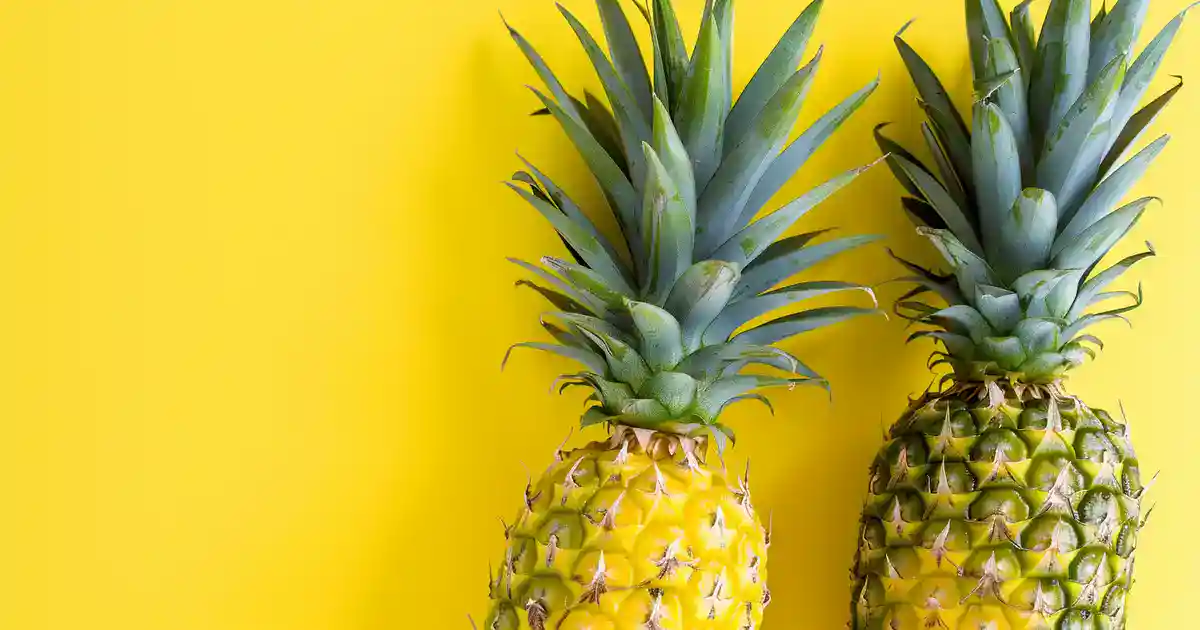
Have you ever wondered why your dog goes absolutely crazy for that tropical fruit you’re snacking on, and whether it’s actually safe to share?
I used to think pineapple was way too exotic and sugary for dogs, until my vet mentioned it could actually help with my Golden Retriever Bailey’s digestion issues. Now, two years later, I’m that person at the farmer’s market buying fresh pineapple specifically for my pup, and fellow dog owners constantly ask me if it’s really okay and what the benefits are. Trust me, if you’re worried about the sugar content or whether tropical fruit belongs in your dog’s diet, this approach will show you it’s more beneficial (and safer) than you ever expected.
Here’s the Thing About Pineapple for Dogs
Here’s the magic: pineapple is one of those surprisingly dog-friendly fruits that’s loaded with vitamins, enzymes, and nutrients that can genuinely support your dog’s health when given properly. According to research on nutritional science, introducing diverse, whole-food nutrients into a diet creates better overall health outcomes—and this absolutely applies to our furry friends. What makes pineapple work so well is its unique enzyme called bromelain, which aids digestion and reduces inflammation, combined with vitamin C, manganese, and fiber. It’s honestly more practical than I ever expected—just remove the tough parts, cut into chunks, and serve fresh. This combination creates amazing results: better digestion, immune support, and a refreshing treat your dog will absolutely love.
What You Need to Know – Let’s Break It Down
Understanding what makes pineapple safe and beneficial is absolutely crucial before you start serving this tropical treat to your pup. Don’t skip this part because it’ll help you understand why pineapple works so well compared to other fruits that might be problematic for dogs.
The Nutritional Powerhouse: I finally figured out that pineapple’s rich vitamin and enzyme content makes it perfect for supporting digestive health after months of researching natural remedies for Bailey’s sensitive stomach. It contains vitamin C for immune support, vitamin B6 for brain function, thiamine for energy metabolism, and that magical bromelain enzyme that breaks down proteins and aids digestion (game-changer, seriously). The fiber content supports healthy gut bacteria, though you’ll need to serve it in moderation to avoid digestive upset.
Safety Considerations: Pineapple works beautifully as a treat, but you’ll need to prepare it properly. I always recommend removing the tough outer skin, the spiky core, and the prickly leaves because everyone sees better results—meaning no choking hazards or digestive blockages. The core is particularly tough and fibrous, which can cause intestinal issues (took me forever to realize this). Only serve the soft, yellow flesh in small, manageable chunks.
Sugar Content Reality Check: Yes, moderation really works and here’s why: pineapple contains natural sugars that, while healthier than processed sugars, still need to be limited in your dog’s diet. For a small dog, that might mean just one or two small chunks, while a large dog can handle several pieces as an occasional treat. If you’re just starting out with incorporating fruits into your dog’s diet, check out my beginner’s guide to safe fruits for dogs for foundational techniques on introducing new foods safely.
The Science and Psychology Behind Why This Works
Dive deeper into the evidence and you’ll find that pineapple’s benefits aren’t just tropical hype—they’re backed by veterinary nutritional research. The bromelain enzyme in pineapple has natural anti-inflammatory properties and can help break down proteins, making it easier for dogs to digest their meals. This is particularly beneficial for dogs with sensitive stomachs or those prone to digestive issues.
From a nutritional perspective, the high vitamin C content supports immune function and collagen production, while manganese contributes to bone health and metabolic function. Research from leading veterinary nutritionists demonstrates that incorporating antioxidant-rich fruits like pineapple into a dog’s diet (in appropriate amounts) can help combat oxidative stress and support overall cellular health. What makes this different from simply feeding commercial fruit-flavored treats is that you’re providing actual whole-food nutrition with active enzymes and phytonutrients that processed treats simply cannot offer.
Here’s How to Actually Make This Happen
Start by selecting a fresh, ripe pineapple from your grocery store—look for one that smells sweet at the base and has vibrant green leaves. Here’s where I used to mess up: I’d cut chunks with some of the core still attached, and Bailey would struggle to chew them and sometimes get an upset stomach. Don’t be me—I used to think dogs could handle any part of the fruit, but proper preparation makes all the difference.
Step 1: Choose and Prepare Your Pineapple – Select a ripe pineapple and wash the outside thoroughly even though you’ll be removing the skin. This step takes five minutes but creates lasting peace of mind about cleanliness.
Step 2: Remove All Inedible Parts – Now for the important part: cut off the top and bottom, then carefully slice away all the tough outer skin. Remove every bit of the “eyes” (those small brown spots). Most importantly, cut out the entire fibrous core running through the center. My vet taught me this trick, and it makes pineapple much safer for dogs to digest. When it clicks, you’ll know—your dog will eat happily without any gagging or digestive issues.
Step 3: Cut Into Appropriate Sizes – Here’s my secret: cut the pineapple flesh into pieces appropriate for your dog’s size. For small dogs (under 20 pounds), think blueberry-sized pieces. Medium dogs (20-50 pounds) can handle grape-sized chunks. Large dogs (50+ pounds) can manage strawberry-sized pieces. Every situation has its own challenges—a Mastiff versus a Yorkie needs dramatically different portion sizes.
Step 4: Start Small and Observe – Don’t worry if you’re just starting out. Offer just one small piece the first time and watch for any reactions over 24 hours. Results can vary, but most dogs tolerate pineapple beautifully. This creates lasting confidence you’ll actually stick with because you’re monitoring how your specific dog responds.
Step 5: Storage Options – Keep fresh pineapple chunks in an airtight container in the fridge for up to 5 days. I prep a batch whenever I buy a pineapple, storing them in small portions for easy access. Pro tip: frozen pineapple chunks make incredible summer treats—these are grab-and-go refreshments ready whenever your pup needs cooling down.
Common Mistakes (And How I Made Them All)
Let me tell you about my epic failures so you can avoid them. First huge mistake: giving Bailey several large chunks of pineapple the first time because I figured, “It’s just fruit!” Wrong. She had diarrhea that evening because the natural sugars and fiber overloaded her system. I learned the hard way that even healthy treats need gradual introduction.
Second mistake: leaving some of the core attached because I thought the extra fiber would be good. Nope. Bailey struggled to digest it and threw up later that night. Now I’m absolutely obsessive about removing every bit of that tough core.
Third mistake: not considering the sugar content in my diabetic friend’s senior dog. I recommended pineapple without asking about health conditions first, and it caused blood sugar issues. Don’t make my mistake of ignoring fundamental health considerations that experts always emphasize: always check with your vet if your dog has any medical conditions.
Fourth mistake: assuming canned pineapple was just as good as fresh. Most canned varieties are packed in sugary syrup that’s terrible for dogs. Even “juice-packed” versions have added sugars. Stick with fresh pineapple only—it’s worth the extra prep time.
When Things Don’t Go as Planned (And It Will)
Feeling like your dog had digestive upset after trying pineapple? You probably gave too much too soon or your dog might have a sensitivity. That’s normal, and it happens to some dogs—not every pup tolerates every fruit perfectly. I’ve learned to handle this by starting with tiny amounts (literally one small piece) and waiting 24 hours before offering more.
Progress stalled because your dog seems uninterested in pineapple? This is totally manageable. Try freezing the chunks for a different texture, or mixing tiny pieces into their regular food. When this happens (and it will with picky eaters), don’t force it. Some dogs genuinely prefer other fruits like blueberries or watermelon, and that’s perfectly okay.
Noticing increased thirst or frequent urination after pineapple? I always prepare for setbacks because the natural sugars can affect some dogs this way. If you see these signs, reduce the portion size significantly. If you’re losing steam with fruit treats altogether, try rotating different dog-safe options to see what works best. Sometimes implementing safe dietary variety for dogs requires patience and observation to find what works for your individual pup.
Advanced Strategies for Next-Level Results
Taking this to the next level means getting creative with how you serve pineapple to maximize both nutrition and your dog’s enjoyment. Advanced practitioners often implement specialized techniques like freezing pineapple chunks in ice cube trays with coconut water for enhanced hydration treats, dehydrating pineapple into chewy, longer-lasting snacks, or blending fresh pineapple with plain yogurt and freezing in molds for gourmet “pupsicles.”
One discovery I’ve made over time: combining pineapple with complementary fruits creates a more complete antioxidant profile. I’ll often prepare a tropical mix of pineapple, mango, and blueberries, storing them together as a ready-to-go treat blend. For dogs who need digestive support, I’ve started offering a small piece of pineapple about 30 minutes before meals to activate those digestive enzymes.
For active or sporting dogs, timing matters. Offering pineapple as a post-exercise treat provides quick natural sugars for energy replenishment plus the bromelain helps reduce exercise-induced inflammation. What separates beginners from experts is understanding that pineapple isn’t just a random fruit—it’s a strategic wellness tool with specific benefits when used thoughtfully.
Ways to Make This Your Own
The Busy Professional Approach: When I want convenience without sacrificing quality, I prep a full pineapple every two weeks, cutting it into portions and freezing what I won’t use within 5 days. Store them in small freezer bags portioned by week, so you just grab and go.
The Training Treat Version: For special training situations, I’ll cut pineapple into tiny pearl-sized pieces and use them as high-value, natural rewards. This makes training sessions more intensive but definitely worth it since the sweetness creates strong positive associations without artificial flavors.
The Summer Hydration Boost: My warm-weather version focuses on frozen pineapple chunks straight from the freezer. Sometimes I blend them with watermelon and freeze in ice cube trays, though that’s totally optional. These frozen treats are absolute lifesavers during hot months.
The Digestive Support Specialist: For next-level digestive care, I love offering a small piece of pineapple before meals for dogs prone to bloating or slow digestion. My advanced version includes combining pineapple with papaya (another enzyme-rich fruit) for maximum digestive enzyme support.
The Budget-Conscious Method: While fresh pineapple seems expensive per fruit, you’re getting dozens of treat portions from one pineapple. I maximize value by using every bit of edible flesh and saving the skin/core for composting or making dog-safe broths.
Why This Approach Actually Works
Unlike traditional commercial dog treats that rely on artificial flavors, excessive preservatives, and synthetic vitamins, pineapple leverages proven whole-food nutrition that your dog’s body naturally recognizes and utilizes. The evidence-based benefits come from bioavailable nutrients in their natural form—bromelain enzymes that remain active, natural vitamin C that’s easily absorbed, and fiber that supports beneficial gut bacteria.
What makes this different from other treat strategies is the multi-system health impact. You’re not just giving a tasty reward; you’re supporting digestive function, immune health, anti-inflammatory processes, and providing natural antioxidants. This approach is effective because it addresses multiple health aspects simultaneously while offering a unique flavor profile that most dogs find irresistible. Each variation works beautifully with different lifestyle needs, whether you’re supporting a senior dog’s digestion, rewarding a puppy during training, or simply wanting to offer your dog premium nutrition beyond standard kibble.
Real Success Stories (And What They Teach Us)
My friend Marcus’s Bulldog, Winston, had chronic digestive issues and bad gas that cleared up significantly after adding small amounts of fresh pineapple to his meals three times a week. What made Winston successful was Marcus’s consistency and proper portioning—he didn’t overdo it, just offered small amounts regularly alongside vet-approved probiotics.
Another success story comes from a training client whose Australian Shepherd was a picky eater with food motivation issues. After discovering frozen pineapple chunks as high-value training treats, her dog’s focus during sessions improved dramatically. The lesson here: sometimes finding the right natural motivator works better than any commercial training treat.
Then there’s Bailey, my own Golden, who struggled with occasional digestive slowness until we incorporated pineapple strategically before heavier meals. The bromelain helped her digest proteins more efficiently, reducing bloating and discomfort. Their success aligns with research on digestive enzymes that shows natural sources can significantly support gastrointestinal function.
Tools and Resources That Actually Help
Pineapple Corer and Slicer: I swear by the OXO Good Grips Pineapple Slicer that makes removing the core and creating perfect rings incredibly easy. This tool saves so much time and ensures no core pieces sneak through.
Airtight Storage Containers: Glass or BPA-free plastic containers keep cut pineapple fresh longer. I use Sistema containers with secure clips that prevent leaks and keep fruit fresh for up to 5 days.
Silicone Ice Cube Trays: For frozen pineapple treats, silicone trays with fun shapes make portions easy to manage. The best resources come from veterinary nutritional guidelines that help you calculate appropriate serving sizes based on your dog’s weight and activity level.
Food Dehydrator: If you want to make shelf-stable pineapple treats, a simple dehydrator creates chewy snacks that last for weeks. I use the Nesco dehydrator for occasional batch preparation.
Consultation Resources: Always consult with your veterinarian before adding pineapple to your dog’s diet, especially if they have diabetes, pancreatitis, or other health conditions. The American Kennel Club’s website and veterinary nutritionist resources provide excellent foundational information about safe fruits for dogs.
Questions People Always Ask Me
Is pineapple actually safe for all dogs to eat?
Yes, fresh pineapple is generally safe for most dogs when prepared properly—skin, core, and leaves removed, cut into appropriate sizes, and given in moderation. However, dogs with diabetes should avoid it due to natural sugar content, and dogs with sensitive stomachs should start with very small amounts. I usually recommend checking with your vet first if your dog has any medical conditions.
How much pineapple can I give my dog in a day?
Most dogs can safely enjoy pineapple as long as treats don’t exceed 10% of their daily caloric intake. For a 50-pound dog, that’s roughly 2-3 ounces of fresh pineapple maximum (about 4-6 small chunks), but I typically recommend starting with much less—maybe one or two small pieces—and seeing how your dog responds.
Will pineapple really help with my dog’s digestion?
Absolutely, just focus on small, consistent amounts. The bromelain enzyme helps break down proteins and supports digestive function, while the fiber promotes healthy gut motility. Most people need to offer it regularly (2-3 times per week) as part of meals to see noticeable improvements within 2-4 weeks.
Can I give my dog canned pineapple?
Don’t stress about finding fresh pineapple—but absolutely avoid canned versions. Most canned pineapple contains added sugars, syrups, or preservatives that are harmful to dogs. Even “juice-packed” varieties typically have extra sugars. Stick exclusively to fresh, raw pineapple for your pup’s safety.
Can puppies eat pineapple?
Yes, puppies can eat pineapple once they’re eating solid food (usually around 8-10 weeks), but cut it into very tiny pieces since their digestive systems are still developing. I always recommend waiting until puppies are fully weaned and introducing just one tiny piece first to test for any sensitivities.
Does pineapple have any negative effects on dogs?
When given in moderation, pineapple rarely causes serious issues. However, too much can lead to digestive upset like diarrhea, vomiting, or gas due to its high fiber and sugar content. Some dogs might also experience increased thirst. This is why I always recommend starting small and monitoring your dog’s response.
Will pineapple stop my dog from eating poop?
This is totally manageable as a folk remedy, but results vary wildly. Some people claim that feeding pineapple makes poop taste unpleasant (due to bromelain), deterring dogs from coprophagia. However, there’s limited scientific evidence supporting this, and it doesn’t work for all dogs. Address the underlying behavioral or nutritional issues instead.
Can I combine pineapple with other fruits?
Absolutely! I frequently combine pineapple with dog-safe fruits like blueberries, watermelon, mango, and strawberries. This creates nutritional variety and keeps things interesting for your pup. Just introduce each new fruit separately first to identify any potential sensitivities, and always remove seeds and inedible parts.
What’s the best way to store fresh pineapple for my dog?
I’ve learned to handle this by keeping cut pineapple pieces in an airtight container in the refrigerator, where they stay fresh for about 5 days. For longer storage, freeze pineapple chunks in freezer bags for up to 6 months—frozen pineapple actually makes a better treat texture anyway.
Should I buy organic pineapple for my dog?
While organic is ideal to minimize pesticide exposure, conventional pineapple is generally considered safer than many fruits because the thick skin protects the flesh. When this happens (and budget is a consideration), just wash the outside thoroughly before cutting, even though you’re removing the skin anyway.
Can diabetic dogs eat pineapple?
While pineapple contains natural sugars that can affect blood glucose levels, diabetic dogs should generally avoid it or only have extremely tiny amounts with vet approval. Balance is crucial for diabetic pets, and most vets recommend skipping high-sugar fruits entirely.
What’s the difference between giving pineapple and digestive enzyme supplements?
This makes it more natural and often more palatable, which is definitely worth considering. Pineapple provides actual bromelain enzymes in their natural form alongside fiber and vitamins, while supplements offer concentrated doses but lack the whole-food benefits. However, dogs with serious digestive disorders may need pharmaceutical-grade enzymes—pineapple is supportive nutrition, not medical treatment.
Before You Get Started
I couldn’t resist sharing this because it proves that exotic doesn’t mean complicated or unsafe. The best dog wellness journeys happen when you explore diverse, natural foods while respecting proper preparation and portion sizes. Ready to begin? Start by picking up one fresh pineapple on your next grocery run, carefully removing all the tough parts, cutting a few small chunks, and offering them to your pup as a special treat. Trust the process, observe how your dog responds, and adjust from there. Your dog’s health is worth this small, tropical adventure—and honestly, watching Bailey’s face light up when she sees that yellow fruit never gets old!




