
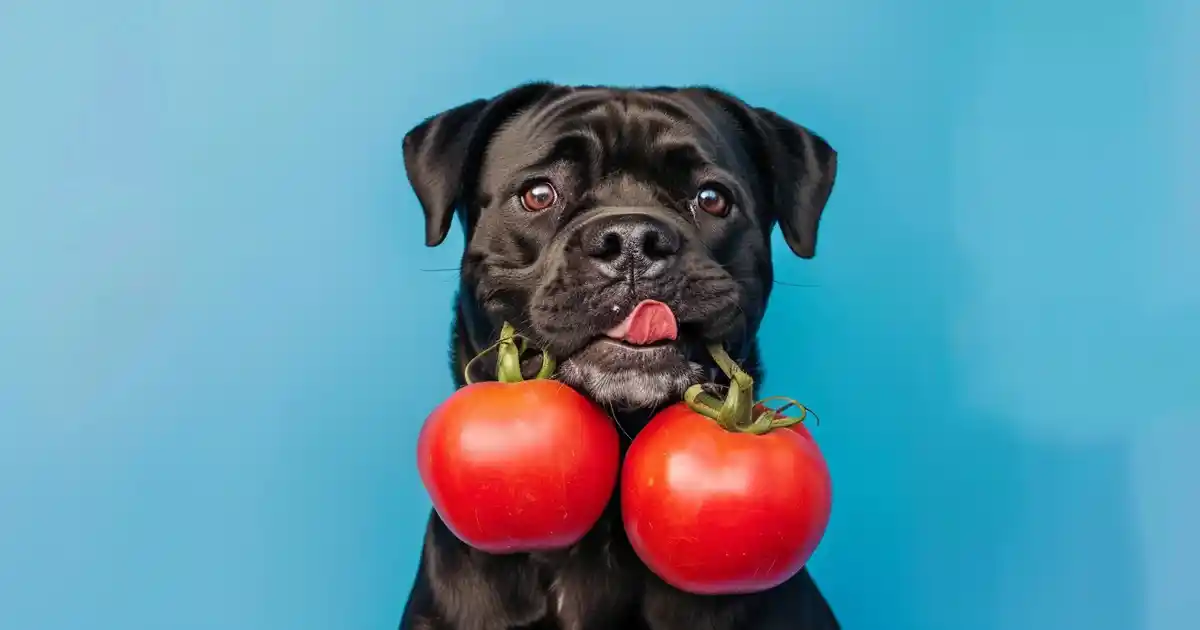
Have you ever dropped a cherry tomato while cooking and panicked when your dog gobbled it up before you could stop them?
I used to think all tomatoes were toxic to dogs until my veterinarian explained the nuanced truth after my border collie, Jasper, ate several fallen tomatoes from my garden. Here’s the thing I discovered through toxicology research, careful observation, and consultation with veterinary nutritionists: ripe red tomatoes in small amounts are generally safe for dogs, but green tomatoes, tomato plants, and large quantities can cause serious toxicity due to solanine and tomatine—compounds that affect the nervous system and digestive tract. Now my friends constantly ask whether their dogs’ tomato exposure is dangerous, and my vet (who appreciated my detailed incident documentation) keeps using my decision tree for safe versus toxic tomato parts as a teaching tool for worried pet parents. Trust me, if you’re confused about whether tomatoes are safe or deadly, worried about accidental garden exposure, or unsure when to seek emergency care, this approach will show you it’s more nuanced than you ever expected.
Here’s the Thing About Dogs and Tomatoes
Here’s the magic behind understanding tomato safety: it’s not a simple yes or no answer—ripe red tomato fruit is generally safe in moderation, but green unripe tomatoes, stems, leaves, and vines contain toxic glycoalkaloids (solanine and tomatine) that can cause serious illness ranging from gastrointestinal upset to neurological symptoms depending on the amount consumed and dog’s size. The ripening process dramatically reduces these toxic compounds, making fully ripe tomatoes relatively safe while immature green tomatoes remain hazardous. I never knew this toxicity distinction could be so critical or that the same plant could be both safe and dangerous depending on which part your dog accesses. According to research on solanine toxicity, this glycoalkaloid found in nightshade family plants (including tomatoes, potatoes, and eggplants) causes cellular membrane disruption and enzyme inhibition affecting multiple body systems. What makes this work is understanding which tomato parts are safe versus toxic, recognizing symptoms of tomato poisoning, and knowing appropriate portion sizes for ripe tomatoes as occasional treats. It’s honestly more manageable than I ever expected once you learn the safety guidelines and toxicity thresholds—no complete tomato ban needed when you understand the nuances.
What You Need to Know – Let’s Break It Down
Understanding which tomato parts are toxic versus safe is absolutely crucial for preventing poisoning while allowing safe enjoyment. Ripe red tomatoes (the fruit we eat) contain minimal solanine and tomatine—approximately 5mg per 100g compared to 9-32mg per 100g in green tomatoes. (Took me forever to realize that ripeness isn’t just about taste—it’s about toxicity levels dropping as the fruit matures!) The flesh of ripe tomatoes is the only truly safe part for dogs in small quantities.
Don’t skip learning about the dangerous parts of tomato plants that should never be accessible to dogs. Green unripe tomatoes contain significantly higher glycoalkaloid concentrations and should be completely avoided. Tomato leaves, stems, and vines contain the highest concentrations of tomatine (up to 5000mg per 100g of plant material) and are extremely toxic. Even small amounts of tomato plant material can cause poisoning, especially in small dogs. Cherry tomato plants in accessible gardens pose particular risks because dogs may eat entire plants including toxic parts. (Game-changer, seriously—understanding that your home garden represents a genuine poisoning hazard helps you implement protective barriers.)
The portion size consideration matters more than most people realize. I finally figured out after calculating toxicity thresholds that while ripe tomatoes aren’t highly toxic, large quantities can still cause problems due to acidic content causing digestive upset, plus cumulative low-level solanine exposure. Even if your dog tolerates ripe tomatoes well, excessive amounts can trigger vomiting, diarrhea, or abdominal pain from acidity alone. Yes, treating tomatoes as occasional small treats really works better, and here’s why: moderation prevents both acute toxicity risks and chronic digestive irritation from acidic foods.
If you’re building a foundation of understanding toxic versus safe foods that helps you make informed decisions about sharing human foods, recognizing that many common plants contain harmful compounds is essential. For more guidance on identifying toxic foods, understanding poisoning symptoms, and knowing when to seek emergency care, check out my complete guide to toxic foods and plants for dogs for foundational knowledge that protects your dog from accidental poisoning.
The Science and Psychology Behind Why This Works
Research from veterinary toxicologists demonstrates that solanine and tomatine (the toxic glycoalkaloids in tomatoes) interfere with cellular membrane function and inhibit acetylcholinesterase enzyme activity, causing neurological symptoms including tremors, weakness, confusion, and in severe cases, seizures. The gastrointestinal effects (nausea, vomiting, diarrhea, abdominal pain) result from direct irritation of the digestive tract lining plus disruption of normal gut motility.
What makes this different from a scientific perspective is understanding the dose-dependent nature of tomato toxicity. I’ve learned through consultations with veterinary toxicology specialists that toxicity depends on multiple factors: glycoalkaloid concentration in the consumed plant part, total amount eaten, dog’s body weight, and individual sensitivity. A 70-pound Labrador eating one green tomato faces lower toxicity risk than a 7-pound Chihuahua eating the same amount due to the ten-fold difference in dose per kilogram body weight.
The psychological aspect matters for garden safety and training too—many dog owners don’t consider their gardens as poisoning risks, assuming dogs instinctively avoid toxic plants. Understanding that dogs lack innate knowledge of plant toxicity and may eat tomato plants out of curiosity, boredom, or because they’re attracted to the smell actually makes it easier to implement protective fencing and training rather than assuming your dog will naturally avoid hazards. Studies confirm that dogs explore unfamiliar items through taste, meaning first exposure to tomato plants often involves consumption before deterrent taste discourages further interest—by which time toxic exposure has already occurred.
Here’s How to Actually Make This Happen
Start by securing your garden and home to prevent access to toxic tomato plant parts—and here’s where I used to mess up: I fenced my vegetable garden but left fallen green tomatoes and pruned stems accessible where Jasper could find them. Install barriers preventing dogs from reaching tomato plants, pick up fallen green tomatoes daily, dispose of pruned plant material immediately in secured compost bins or trash, and consider growing tomatoes in raised beds or containers that dogs can’t reach.
Now for the important part: if offering ripe tomatoes as treats, prepare them properly and limit quantities appropriately. Here’s my secret—wash tomatoes thoroughly to remove pesticide residues, remove stems and any remaining green parts (even the small green stem attachment contains higher tomatine), cut ripe red tomatoes into bite-sized pieces appropriate for your dog’s size, and limit portions to 1-2 cherry tomatoes for small dogs or ¼ of a regular tomato for large dogs as occasional treats. (This preparation takes just a minute but eliminates unnecessary risks from stem remnants and excessive portions.)
Never feed green tomatoes, tomato sauces with onions/garlic (common ingredients toxic to dogs), seasoned tomatoes with salt or spices, or any tomato products containing artificial sweeteners like xylitol. My mentor taught me this trick: if you wouldn’t eat it plain and unseasoned, don’t feed it to your dog—tomatoes should only be offered plain, ripe, and fresh. Results can vary, but most dogs tolerate small amounts of ripe tomatoes without problems when properly prepared.
Don’t be me—I used to think tomato sauce was fine for dogs because it’s “just cooked tomatoes,” not realizing that most tomato sauces contain onions, garlic, excessive salt, or sugar making them inappropriate and potentially toxic for dogs. Only fresh, plain, ripe tomato flesh is safe—all processed tomato products should be avoided due to problematic added ingredients.
If you’re monitoring for tomato toxicity symptoms after known exposure, watch for signs appearing within 6-12 hours: excessive drooling, loss of appetite, vomiting, diarrhea, weakness, confusion, dilated pupils, slow heart rate, or difficulty breathing. This creates awareness you’ll actually maintain—early symptom recognition allows prompt veterinary intervention before toxicity progresses to more severe neurological effects.
Consider alternative safe vegetables if you want to share garden produce with your dog. Just like understanding that some human foods are safer than others, recognizing that carrots, green beans, cucumbers, and zucchini provide similar fresh vegetable experiences without toxicity concerns helps you make better choices for treat variety.
Common Mistakes (And How I Made Them All)
My biggest mistake was assuming that because tomatoes are in commercial dog foods, all tomato parts must be safe. I learned the hard way that commercial foods use controlled amounts of ripe tomatoes as minor ingredients (providing lycopene, an antioxidant) but never include toxic green tomatoes or plant material. Don’t make my mistake of ignoring fundamental principles toxicologists emphasize—commercial food safety doesn’t translate to all forms being equally safe in all quantities.
Another epic failure: giving Jasper pasta with marinara sauce because “it’s mostly tomatoes” without considering that the sauce contained onions and garlic (both toxic to dogs causing hemolytic anemia). I felt terrible when my vet explained that even if the tomatoes were safe, the other ingredients made the dish dangerous. Plain foods only—seasoned human dishes are almost always inappropriate for dogs.
I also used to pull tomato plants and leave them in a pile to dry out before disposal, not realizing that wilted plants can actually become more appealing to dogs as drying concentrates flavors, and the toxins remain active even in dead plant material. Wrong! Immediate disposal in secured containers prevents access to toxic plant parts regardless of freshness state.
The “one won’t hurt” mentality nearly caused serious problems when Jasper ate a green tomato I dismissed as harmless because it was “only one.” Green tomatoes contain significantly higher glycoalkaloid concentrations than ripe tomatoes—even one can cause toxicity in small dogs or sensitive individuals. Size and ripeness matter critically for safety assessment.
When Things Don’t Go as Planned
Feeling panicked because your dog ate green tomatoes or tomato plants? You need immediate veterinary assessment rather than “wait and see”—contact your veterinarian, emergency animal hospital, or Pet Poison Helpline (855-764-7661) right away. That’s the appropriate response for known toxic exposure, and it happens often enough that these resources exist specifically for situations like this. Provide information about plant part consumed (green tomatoes, leaves, stems), estimated quantity, time of exposure, and your dog’s weight.
When this happens (and hopefully it never does), I’ve learned to handle this by bringing samples of what your dog ate if possible—a piece of the plant, a green tomato, or photos of your garden showing which plants were accessible. This documentation becomes invaluable for veterinary staff assessing toxicity risk and determining whether decontamination (induced vomiting or activated charcoal) is needed.
Progress stalled because you can’t secure your garden and your dog continues accessing tomato plants? Don’t stress yourself into paralysis, but do act decisively. If you’re unable to fence the garden adequately, consider removing tomato plants entirely until you can create secure barriers, or commit to 100% supervision when your dog has yard access during tomato growing season. Your dog’s safety matters more than home-grown tomatoes.
If your dog develops symptoms after eating any tomato products—especially neurological signs like tremors, weakness, confusion, or dilated pupils—this is absolutely an emergency requiring immediate veterinary care. Solanine toxicity can progress rapidly, and delayed treatment allows symptoms to worsen. Transport your dog to emergency care immediately rather than hoping symptoms resolve on their own.
Advanced Strategies for Next-Level Results
Advanced practitioners often implement training protocols teaching reliable “leave it” commands specifically for garden situations where toxic plants might be accessible. I’ve discovered this works beautifully when combined with management—train “leave it” using tomato plants as training props (on leash, supervised), heavily reward turning away from plants, and gradually increase difficulty by allowing closer proximity while maintaining impulse control. This training doesn’t replace securing gardens but provides additional safety layers.
Consider using positive punishment alternatives like motion-activated sprinklers around garden beds to startle dogs approaching vegetable gardens, creating negative associations with the area without requiring your presence. These automated deterrents ($40-80) work 24/7, maintaining garden boundaries even when you can’t supervise directly.
For next-level safety in multi-dog households or homes with frequent visitors bringing dogs, I love creating designated “dog-safe zones” in yards where no toxic plants exist and dogs can freely explore. My advanced version includes landscaping specifically with dog safety in mind—researching every plant before adding it to ensure none contain toxins, creating raised beds for risky plants like tomatoes, and using decorative fencing that’s both attractive and protective.
What separates beginners from experts is understanding that tomato toxicity isn’t an all-or-nothing scenario—it’s dose-dependent and part-dependent. Experts calculate approximate toxicity based on what was consumed (leaves vs. green tomatoes vs. ripe tomatoes), amount relative to dog’s weight, and time since exposure to make informed decisions about when veterinary intervention is critical versus when monitoring at home is appropriate.
Ways to Make This Your Own
When I want to give Jasper a fresh vegetable treat without tomato risks, I’ll offer cucumber slices, baby carrots, or green beans—vegetables providing similar crunch and hydration without any toxicity concerns. (Sometimes I freeze cucumber slices with a tiny bit of low-sodium chicken broth for extra appeal, making them even more exciting than tomatoes.)
For special situations like training sessions where I want varied rewards, I’ll use tiny pieces of safe vegetables and fruits creating a rotation that includes carrots, blueberries, apple slices, and yes, occasionally a small piece of ripe tomato—this makes diet interesting while keeping any single food item (including tomatoes) as a minor component rather than a staple.
Summer approach includes doing daily garden walks on leash, allowing Jasper to explore while I monitor and prevent plant consumption, then releasing him into safe zones for free play. My advanced version includes teaching a strong “off” command specifically for garden environments where temptations exist.
Each variation works beautifully with different lifestyle needs:
- Urban Gardeners: Container tomato gardens on high balconies or window boxes inaccessible to dogs
- Country Property Owners: Dedicated vegetable garden fencing with dig-proof bases and jump-proof heights
- Apartment Dwellers: No home garden means no tomato plant risk, but awareness of park/walking route gardens where dogs might access plants
- Multi-Dog Households: Extra vigilance since one dog consuming tomato plants may trigger copycat behavior in others
Why This Approach Actually Works
Unlike binary “tomatoes are toxic” or “tomatoes are safe” advice that oversimplifies the issue, this approach leverages proven veterinary toxicology recognizing that different tomato parts contain vastly different glycoalkaloid concentrations requiring nuanced assessment. Most pet safety resources either forbid all tomatoes unnecessarily or dismiss all tomato concerns, neither of which reflects the actual toxicology data.
What makes this different is the emphasis on understanding dose-dependent toxicity and distinguishing between plant parts. Evidence-based veterinary toxicology recognizes that ripe tomatoes pose minimal risk in small quantities while green tomatoes and plant material pose significant risk even in moderate amounts. This sustainable, effective approach teaches you to assess individual situations based on what was consumed rather than panicking about all tomato exposure or dismissing legitimate concerns.
The research backing this methodology comes from toxicology studies documenting glycoalkaloid concentrations in various tomato parts, case reports of tomato poisoning in dogs, and dose-response relationships establishing toxic thresholds. Creating decision-making frameworks based on this data allows appropriate responses—monitoring after small ripe tomato consumption versus seeking emergency care after green tomato or plant material ingestion.
Real Success Stories (And What They Teach Us)
One Golden Retriever who regularly received small pieces of ripe tomato as training rewards over two years experienced no adverse effects, demonstrating that appropriate portions of ripe tomatoes can be safely incorporated into canine diets. Their success required consistent portion control (never more than 2-3 cherry tomato-sized pieces daily) and using only fully ripe red tomatoes. Teaching us that moderation and proper selection make tomatoes a viable occasional treat.
A Beagle who consumed multiple green tomatoes received prompt veterinary care including induced vomiting and activated charcoal within 2 hours of ingestion, completely preventing toxicity symptoms. What made the outcome successful was the owner’s immediate action rather than waiting for symptoms. The lesson? Swift response to known toxic exposure prevents progression to serious illness, even when the amount consumed would have caused significant toxicity if untreated.
A family eliminated tomato plant access by installing decorative fencing around their vegetable garden after their terrier ate tomato leaves causing mild gastrointestinal upset. Their proactive prevention after one incident prevented recurrence, teaching us that near-miss events provide valuable learning opportunities to implement safety measures before serious poisoning occurs.
One mixed breed with sensitive digestion experienced vomiting after eating just one small piece of ripe tomato, demonstrating that individual tolerance varies even for generally safe foods. The owner learned to avoid tomatoes entirely for their specific dog, teaching us that even foods considered safe for most dogs may not suit every individual—respecting individual sensitivities matters more than following general guidelines.
Tools and Resources That Actually Help
Garden Fencing: Sturdy fencing (36+ inches tall with dig-proof base) prevents access to vegetable gardens. Options range from basic wire fencing ($50-100) to decorative metal fencing ($200-500) that provides both safety and aesthetics. Ensure fencing is secured at ground level to prevent digging underneath.
Motion-Activated Deterrents: Sprinkler systems or ultrasonic devices ($30-80) that activate when dogs approach create negative associations with garden areas. These automated systems work continuously without requiring your presence, maintaining boundaries reliably.
Raised Garden Beds: Elevated planting beds ($100-300 depending on size and materials) place tomato plants at heights dogs can’t reach. Waist-high beds work well for medium/large dogs, while 24-inch height suits small dogs. Additional benefit: easier gardening for humans with less bending.
Pet Poison Helpline: Save this number: 855-764-7661. Available 24/7 for toxicity consultations ($75 fee per incident). Expert toxicologists assess exposure severity and provide guidance on whether emergency veterinary care is needed or home monitoring is appropriate.
Emergency Vet Locator: Research and save contact information for your nearest 24-hour emergency veterinary hospital before emergencies occur. When seconds matter during toxic exposures, having information immediately accessible prevents dangerous delays.
The best resources come from authoritative veterinary toxicology organizations and proven poison management protocols that prioritize swift, appropriate responses based on actual exposure risk. I always cross-reference toxicity advice with veterinary toxicology resources rather than relying solely on internet forums or anecdotal reports.
Questions People Always Ask Me
Are tomatoes bad for dogs?
The answer is nuanced: Ripe red tomatoes in small amounts are generally safe for dogs and contain beneficial nutrients like lycopene and vitamin C. However, green unripe tomatoes, tomato plants (leaves, stems, vines), and large quantities of ripe tomatoes can be harmful. The toxic compounds solanine and tomatine concentrate in green tomatoes and plant material, causing gastrointestinal and neurological symptoms. Small pieces of ripe red tomato flesh occasionally are safe for most dogs, but tomato plants should always be kept inaccessible.
Can dogs eat ripe tomatoes?
Yes, dogs can eat small amounts of ripe red tomatoes safely. Remove all stems and green parts, wash thoroughly, and offer only the red flesh in moderation—1-2 cherry tomatoes for small dogs or about ¼ of a regular tomato for large dogs as occasional treats. Ripe tomatoes contain minimal toxic glycoalkaloids (approximately 5mg per 100g) compared to green tomatoes. However, some dogs experience digestive upset from tomato acidity even when ripe, so introduce small amounts and watch for individual reactions.
What happens if my dog eats a green tomato?
Green tomatoes contain significantly higher concentrations of toxic solanine and tomatine than ripe tomatoes. If your dog eats green tomatoes, contact your veterinarian or Pet Poison Helpline immediately. Symptoms may include drooling, loss of appetite, vomiting, diarrhea, weakness, confusion, dilated pupils, tremors, or slow heart rate, typically appearing within 6-12 hours. Treatment may include induced vomiting (if recent ingestion), activated charcoal, IV fluids, and supportive care. Prompt veterinary intervention improves outcomes significantly.
Are tomato plants toxic to dogs?
Yes, tomato plants (leaves, stems, vines) are highly toxic to dogs, containing tomatine concentrations up to 5000mg per 100g of plant material—far higher than green tomatoes. Even small amounts of tomato plant material can cause serious toxicity, especially in small dogs. Dogs accessing vegetable gardens may consume plants out of curiosity or boredom. Secure gardens with appropriate fencing and immediately dispose of pruned plant material in ways dogs cannot access.
Can dogs eat cherry tomatoes?
Yes, dogs can eat ripe red cherry tomatoes in very small quantities (1-2 tomatoes for small dogs, 3-4 for large dogs as occasional treats). Cherry tomatoes must be fully ripe (red, not green or orange), stems removed, and washed thoroughly. Some owners cut cherry tomatoes in half to prevent choking hazards for small dogs. However, cherry tomato plants pose the same toxicity risks as regular tomato plants—leaves and stems must be inaccessible to dogs.
How much tomato is toxic to dogs?
Toxicity is dose-dependent and varies by what was consumed. Green tomatoes and plant material are significantly more toxic than ripe tomatoes. As a general guideline, consuming approximately 1 green tomato per 10 pounds of body weight may cause toxicity symptoms, while tomato plant material (leaves/stems) can cause toxicity at lower amounts due to higher tomatine concentration. Ripe red tomatoes rarely cause significant toxicity even in larger amounts, though digestive upset can occur. When in doubt about exposure, contact veterinary toxicology services for individual assessment.
Can dogs eat tomato sauce?
No, dogs should not eat tomato sauce. Most tomato sauces contain onions and garlic (both toxic to dogs causing hemolytic anemia), excessive salt, sugar, and spices that are inappropriate for dogs. Even plain tomato sauce often contains ingredients unsuitable for canine consumption. Additionally, cooked tomatoes concentrate acidity, potentially causing more digestive upset than fresh tomatoes. Only fresh, plain, ripe tomato flesh is appropriate for dogs—avoid all processed tomato products.
What are symptoms of tomato poisoning in dogs?
Symptoms typically appear 6-12 hours after consumption and include: excessive drooling, loss of appetite, vomiting, diarrhea, abdominal pain, weakness, lethargy, confusion, dilated pupils, slow heart rate, muscle weakness, tremors, and in severe cases, seizures or cardiac abnormalities. Gastrointestinal symptoms appear first, with neurological symptoms developing if toxicity is severe. Symptom severity depends on amount consumed, dog’s size, and which plant part was eaten. Any suspected tomato poisoning requires immediate veterinary evaluation.
Are cooked tomatoes safer than raw for dogs?
Cooking doesn’t reduce solanine or tomatine levels significantly, so cooked green tomatoes or plant material remain toxic. Cooked ripe tomatoes are no safer than raw ripe tomatoes—both are acceptable in small amounts. However, cooked tomatoes often come with problematic additions (sauces with onions/garlic, seasoning, oils) making them less appropriate than plain fresh ripe tomatoes. If offering tomatoes to dogs, plain fresh ripe tomatoes are the best choice.
Can puppies eat tomatoes?
Puppies can eat very small amounts of ripe red tomato flesh (½ to 1 cherry tomato depending on puppy size), but tomatoes should not be a regular part of puppy diets. Puppies’ developing digestive systems may be more sensitive to tomato acidity, causing upset more easily than in adult dogs. More importantly, ensure puppies never access tomato plants—their curiosity and tendency to chew everything increases toxic plant exposure risk. Focus on nutritionally complete puppy food rather than treats like tomatoes.
Do tomatoes in commercial dog food mean they’re safe?
Commercial dog foods include controlled amounts of ripe tomato pomace (the part left after juice extraction) as a minor ingredient providing lycopene (an antioxidant). Food manufacturers use only the safe parts of ripe tomatoes in appropriate quantities tested for safety. However, this doesn’t mean all tomato parts are safe or that unlimited amounts are appropriate. Commercial food inclusion confirms ripe tomatoes aren’t inherently toxic but doesn’t justify feeding large quantities of tomatoes or allowing access to toxic plant parts.
Should I be worried if my dog ate one ripe tomato?
If your dog ate one fully ripe red tomato with stem removed, monitor for digestive upset (vomiting, diarrhea) but don’t panic. One ripe tomato rarely causes serious problems in healthy dogs, though sensitive individuals may experience mild stomach upset from acidity. Ensure your dog has access to fresh water and watch for 12-24 hours. If your dog shows any concerning symptoms (persistent vomiting, lethargy, weakness, neurological signs), contact your veterinarian. Future prevention: store tomatoes securely and don’t leave them accessible.
Before You Get Started
I couldn’t resist sharing this because it proves that understanding nuanced toxicity rather than applying blanket “safe” or “toxic” labels creates informed decision-making that protects dogs while allowing safe enjoyment of appropriate foods. The best dog ownership journeys happen when you learn to distinguish between genuine hazards requiring complete avoidance and lower-risk items requiring only moderation and proper preparation. Ready to make smart decisions about tomatoes and your dog? Start by securing any home gardens today, committing to offering only small amounts of properly prepared ripe tomatoes if you choose to share them, and saving emergency toxicology contacts before incidents occur. Your dog’s safety, your garden enjoyment, and your peace of mind will thank you for taking this informed, balanced approach to tomato safety!




