
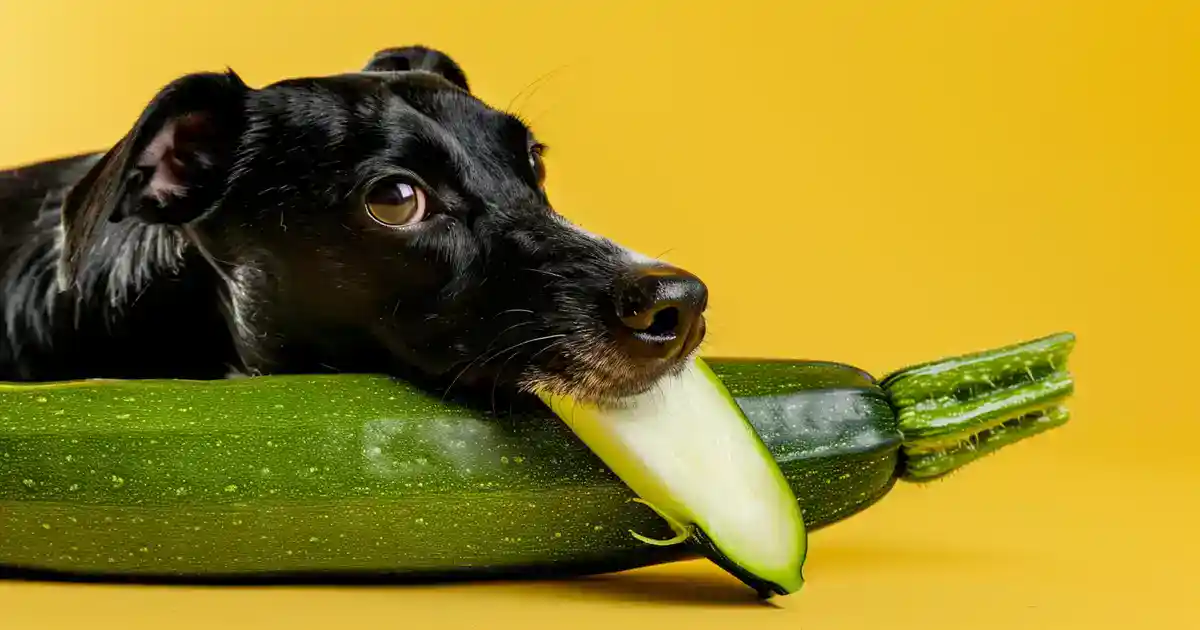
Have you ever looked at your overweight dog and wished there was a filling, healthy treat that wouldn’t add extra pounds?
I used to struggle finding low-calorie treats for my chunky beagle, Cooper, until my veterinary nutritionist suggested adding zucchini to his diet as a weight management strategy. Here’s the thing I discovered through careful portion testing, creative preparation methods, and watching Cooper lose 8 pounds over six months: zucchini isn’t just safe for dogs—it’s one of the most valuable vegetables you can offer, providing volume and nutrients with almost no calories, making it perfect for weight loss, diabetic dogs, and picky eaters who need more vegetables. Now my friends constantly ask how Cooper lost weight without seeming hungry, and my vet (who was thrilled with his progress) keeps recommending my zucchini integration methods to clients struggling with canine obesity. Trust me, if you’re looking for a guilt-free treat that helps with weight management while adding beneficial nutrients, this approach will show you zucchini is more versatile than you ever expected.
Here’s the Thing About Dogs and Zucchini
Here’s the magic behind zucchini as dog food: it’s not just a bland vegetable—it’s a nutritional powerhouse that’s 95% water, contains only 17 calories per cup, and provides fiber, vitamins, minerals, and antioxidants that support overall health without contributing to weight gain. Unlike calorie-dense treats, zucchini offers volume that creates satiety (fullness) while delivering beneficial nutrients including vitamin C, vitamin K, potassium, and beta-carotene. I never knew this humble summer squash could be so valuable for weight management and digestive health. According to research on dietary fiber, soluble and insoluble fiber support digestive function, regulate blood sugar levels, and promote feelings of fullness—all critical for overweight dogs. What makes this work is understanding proper preparation methods that maximize digestibility, appropriate portion sizes that provide benefits without causing digestive upset, and creative serving ideas that make zucchini exciting rather than boring. It’s honestly more beneficial than I ever expected once you learn the preparation techniques and nutritional advantages—no fancy cooking skills needed.
What You Need to Know – Let’s Break It Down
Understanding zucchini’s nutritional profile is absolutely crucial for appreciating why it’s so valuable for dogs. One cup of raw zucchini contains approximately 17 calories, 3.5 grams of carbohydrates, 1.2 grams of fiber, and 1.5 grams of protein, plus significant amounts of vitamin C (immune support), vitamin K (blood clotting and bone health), potassium (heart and muscle function), and manganese (metabolism and bone development). (Took me forever to realize that such a low-calorie food could provide this much nutritional value!) The high water content supports hydration, especially valuable for dogs who don’t drink enough water.
Don’t skip learning about proper preparation methods that maximize safety and digestibility. Raw zucchini is safe for dogs and retains maximum nutrients, but some dogs digest cooked zucchini more easily. Cooking methods matter—steaming or boiling preserves nutrients better than frying or sautéing with oils. Never feed zucchini cooked with onions, garlic, excessive salt, or butter, as these additions are toxic or unhealthy for dogs. (Game-changer, seriously—plain preparation is the key to safety and health benefits.)
The portion size consideration matters more than most people realize. I finally figured out after monitoring Cooper carefully that while zucchini is extremely low-calorie, too much fiber too quickly can cause gas, bloating, or diarrhea as the digestive system adjusts. Even if zucchini seems harmless, introducing large amounts suddenly overwhelms the gut microbiome. Yes, gradual introduction really works better, and here’s why: it allows beneficial bacteria to adapt to the increased fiber load without causing uncomfortable digestive symptoms.
If you’re building a foundation of vegetable variety in your dog’s diet that provides phytonutrients and fiber, understanding which vegetables are safe and beneficial is essential. For more guidance on incorporating multiple vegetables, identifying preparation methods, and creating balanced produce additions, check out my complete guide to vegetables for dogs for foundational knowledge that diversifies your dog’s nutrition safely.
The Science and Psychology Behind Why This Works
Research from veterinary nutritionists demonstrates that dietary fiber from vegetables like zucchini supports multiple physiological functions beyond just digestive regularity. Soluble fiber forms a gel-like substance in the digestive tract that slows glucose absorption (beneficial for diabetic dogs), lowers cholesterol levels, and feeds beneficial gut bacteria that produce short-chain fatty acids supporting colon health. Insoluble fiber adds bulk to stool, promotes regular bowel movements, and may reduce colon cancer risk.
What makes this different from a scientific perspective is understanding that volume eating—consuming large portions of low-calorie, high-water foods—creates satiety through stomach distension (stretch receptors signaling fullness to the brain) without significant caloric intake. I’ve learned through consultations with veterinary obesity specialists that this strategy helps overweight dogs feel satisfied on reduced calorie diets, improving compliance and reducing begging behaviors that sabotage weight loss efforts.
The psychological aspect matters for treat-focused training too—many owners worry that weight loss programs mean eliminating treats, damaging their training progress and bond with their dog. Understanding that zucchini can serve as a virtually unlimited training reward actually makes it easier to maintain training consistency while managing weight. Studies confirm that dogs respond to treat delivery and praise more than treat caloric content, so low-calorie vegetable treats work equally well as high-calorie commercial treats for most training applications.
Here’s How to Actually Make This Happen
Start by introducing zucchini gradually in tiny amounts—and here’s where I used to mess up: I’d give Cooper a whole cup of zucchini thinking “it’s just vegetables, it can’t hurt.” Begin with 1-2 small pieces (about one tablespoon) for small dogs or 2-3 tablespoons for large dogs, mixed into their regular food. Wait 24-48 hours and monitor for any digestive changes before increasing portions.
Now for the important part: prepare zucchini properly to maximize safety and appeal. Here’s my secret—wash zucchini thoroughly to remove pesticide residues, cut off both ends, and slice into bite-sized pieces appropriate for your dog’s size (small coins for little dogs, larger chunks for big dogs). You can feed raw for maximum crunch and nutrients, or lightly steam for 5-7 minutes if your dog prefers softer textures. (This preparation takes just a few minutes but creates safe, appealing vegetable treats your dog will actually enjoy.)
Never feed the entire zucchini plant—only the fruit (the part we eat) is safe. My mentor taught me this trick: zucchini leaves and stems contain compounds that may cause digestive upset, so stick to the familiar green squash portion. Results can vary, but most dogs tolerate zucchini beautifully when properly prepared and portioned.
Don’t be me—I used to think all squash were identical, but ornamental gourds and bitter cucurbit varieties can contain toxic cucurbitacins causing severe gastrointestinal distress. If a zucchini tastes extremely bitter (test a tiny piece yourself before feeding), discard it immediately and don’t feed it to your dog. Normal zucchini has a mild, slightly sweet flavor.
If you’re using zucchini for weight management, partially replace higher-calorie components of meals rather than just adding it as extras. This creates sustainable calorie reduction you’ll actually stick with—for example, reduce kibble by ¼ cup (approximately 100 calories) and add 1 cup of steamed zucchini (approximately 17 calories), creating a 83-calorie deficit while maintaining meal volume that keeps your dog satisfied.
Consider different preparation methods to maintain interest and maximize nutritional variety. Just like protein rotation prevents food sensitivities, understanding that raw zucchini provides different benefits (more enzymes, crunchier texture) than cooked zucchini (easier digestion, different nutrient availability) allows you to vary preparations based on your dog’s needs and preferences.
Common Mistakes (And How I Made Them All)
My biggest mistake was feeding zucchini bread to Cooper thinking that since it contained zucchini, it must be healthy for him. I learned the hard way that baked goods containing zucchini also include sugar, flour, oil, and sometimes toxic ingredients like chocolate chips, macadamia nuts, or xylitol. Don’t make my mistake of ignoring fundamental principles that veterinarians recommend—only plain, prepared zucchini is safe, never baked goods, casseroles, or dishes containing zucchini as an ingredient among many.
Another epic failure: grilling zucchini with olive oil, salt, and seasonings before feeding it to Cooper because I thought cooking made it healthier. While cooked zucchini is fine, the added fats and seasonings created unnecessary calories and potential digestive upset. I felt silly when I realized that the simplest preparation—raw or steamed with nothing added—was actually the healthiest option.
I also used to give Cooper zucchini exclusively as his vegetable source, not realizing that nutritional variety matters for providing diverse phytonutrients and preventing potential food sensitivities from repeated exposure to single ingredients. Wrong! Rotating between zucchini, green beans, carrots, and other safe vegetables provides more complete nutrition than relying on one vegetable alone.
The frozen zucchini mistake taught me about preparation nuances. I bought pre-sliced frozen zucchini that turned mushy when thawed, creating a texture Cooper refused to eat. Fresh zucchini provides better texture and appeal—if using frozen, cook it directly from frozen or freeze fresh raw zucchini yourself in portions for better results.
When Things Don’t Go as Planned
Feeling like zucchini caused gas or loose stools in your dog? You probably introduced too much too quickly—excessive fiber intake overwhelms the digestive system before gut bacteria adapt to process it efficiently. That’s normal during rapid dietary changes, and it happens to everyone who adds vegetables too enthusiastically without gradual introduction. Reduce portion size to just a few pieces daily, allow one week for adjustment, then slowly increase over 2-3 weeks.
When this happens (and it will if you’re adding significant fiber), I’ve learned to handle this by adding digestive enzymes or probiotics that support the gut microbiome transition. This supplementation becomes invaluable for dogs with sensitive stomachs or those transitioning from low-fiber to higher-fiber diets.
Progress stalled because your dog absolutely refuses to eat zucchini regardless of preparation? Don’t stress, just remember that individual food preferences exist and some dogs genuinely dislike certain vegetables’ taste or texture. If you’re looking for similar benefits, consider alternative low-calorie vegetables like green beans, cucumber, or celery that provide comparable fiber and nutrients without requiring your dog to eat zucchini specifically.
If your dog shows signs of allergic reaction after eating zucchini (itching, hives, vomiting, diarrhea), discontinue immediately and consult your veterinarian. This is extremely rare—zucchini allergies in dogs are uncommon—but individual sensitivities can occur, making zucchini unsuitable for those specific dogs despite being safe for the vast majority.
Advanced Strategies for Next-Level Results
Advanced practitioners often implement zucchini strategically for managing specific health conditions beyond basic weight loss. I’ve discovered this works beautifully for diabetic dogs—zucchini’s low glycemic index and high fiber content help regulate blood sugar levels by slowing glucose absorption, creating more stable blood sugar patterns when incorporated into meals regularly.
Consider making frozen zucchini treats for summer enrichment that provides hydration alongside nutrition. Puree raw zucchini with a small amount of plain Greek yogurt and a few blueberries, freeze in silicone molds, and offer as cooling treats during hot weather. These frozen zucchini pops deliver vitamins, probiotics, and antioxidants while helping dogs stay cool.
For next-level weight management, I love using spiralized zucchini “noodles” as a significant portion of homemade dog meals, reducing carbohydrate content while maintaining volume. My advanced version includes combining zucchini noodles with lean protein (chicken, turkey, or fish), a small amount of complex carbohydrates (quinoa or sweet potato), and healthy fats (fish oil) to create complete, balanced, low-calorie meals under veterinary nutritionist guidance.
What separates beginners from experts is understanding that zucchini serves multiple therapeutic purposes simultaneously—weight management, diabetic diet component, digestive health support, and hydration boost for dogs who don’t drink adequately. Strategic zucchini feeding becomes multifunctional nutrition, not just a vegetable treat.
Ways to Make This Your Own
When I want to make zucchini more exciting for Cooper, I’ll mix finely diced raw zucchini with a tiny amount of low-fat cottage cheese and fresh parsley—this makes it more palatable and nutritious while adding protein without many calories. (Sometimes I add a sprinkle of nutritional yeast for B vitamins, though that’s totally optional and should be used sparingly.)
For special situations like training sessions, I’ll cut zucchini into tiny cubes (pea-sized), lightly dehydrate them in the oven at 200°F for 2-3 hours, creating crunchy, shelf-stable training treats I can carry in a treat pouch. My busy-season version focuses on convenience: pre-cutting fresh zucchini into serving portions on Sunday and storing them in the refrigerator for the week.
Summer approach includes offering frozen raw zucchini slices straight from the freezer as cooling chew treats that provide entertainment and hydration simultaneously. My advanced version includes creating “zucchini boats” by hollowing out zucchini halves, stuffing them with a mixture of cooked lean ground turkey and cooked quinoa, then serving as occasional complete meal replacements.
Each variation works beautifully with different lifestyle needs:
- Aggressive Weight Loss Protocol: Replacing 30-40% of meal volume with zucchini under veterinary supervision
- Diabetic Management Strategy: Incorporating zucchini into every meal for blood sugar regulation
- Budget-Conscious Approach: Using abundant summer garden zucchini or inexpensive grocery store zucchini as treat replacement
- Picky Eater Solution: Grating zucchini finely and mixing invisibly into food for dogs who reject visible vegetables
Why This Approach Actually Works
Unlike traditional dog treat advice that focuses on commercial products with concentrated calories, this approach leverages proven nutritional science recognizing that volume and fiber create satiety independently of caloric content. Most commercial dog treats deliver 3-10 calories per treat, meaning a training session with 20-30 treats adds 60-300 calories—significant for small dogs or those on weight loss diets. Zucchini provides unlimited treats with negligible caloric impact.
What makes this different is the emphasis on zucchini as functional food for specific health applications rather than just “vegetables are healthy.” Evidence-based veterinary nutrition recognizes that the fiber, water content, and phytonutrients in zucchini address multiple health concerns simultaneously—obesity, diabetes, constipation, and inadequate hydration. This sustainable, effective approach teaches you to use vegetables strategically for health optimization rather than viewing them as optional additions.
The research backing this methodology comes from canine obesity studies demonstrating that high-fiber, low-calorie diet modifications produce successful, sustainable weight loss when combined with appropriate portion control and exercise. Creating feeding strategies that incorporate filling, nutritious, low-calorie foods allows dogs to lose weight without constant hunger that causes begging, food-seeking behaviors, and owner frustration that sabotage weight loss efforts.
Real Success Stories (And What They Teach Us)
One overweight Labrador successfully lost 22 pounds over eight months after her owner replaced 25% of each meal with steamed zucchini, creating caloric deficit while maintaining meal volume. Their success required patience and consistency, teaching us that gradual weight loss (1-2% body weight weekly) using filling vegetables produces sustainable results without hunger or metabolic slowdown.
A diabetic Miniature Schnauzer achieved better blood sugar control after incorporating zucchini into every meal under veterinary guidance, with the fiber slowing glucose absorption and creating more stable readings. What made him successful was the combination of appropriate insulin dosing, consistent meal timing, and strategic vegetable integration. The lesson? Vegetables like zucchini serve genuine therapeutic purposes for managing chronic conditions when used appropriately alongside veterinary care.
A Border Collie with chronic constipation experienced regular bowel movements after daily zucchini supplementation provided the additional fiber her system needed. Their success aligns with research on fiber’s role in digestive health that shows adequate fiber intake promotes healthy gut motility, teaching us that vegetables address common health issues naturally.
One senior dog with decreased appetite successfully maintained adequate nutrition when zucchini’s high water content and mild flavor encouraged eating during a period when other foods were rejected. The owner learned that vegetables’ palatability and ease of digestion make them valuable for aging dogs with changing nutritional needs.
Tools and Resources That Actually Help
Vegetable Steamer: Steaming preserves nutrients better than boiling. A collapsible steamer basket ($10-15) fits most pots and makes vegetable preparation simple and consistent for dogs requiring cooked vegetables due to digestive sensitivity.
Spiralizer: For creating zucchini noodles that add volume to homemade meals, a simple handheld spiralizer ($10-20) or countertop model ($30-50) makes preparation quick and fun. Zucchini noodles mixed with protein create satisfying, low-calorie complete meals.
Food Scale: Accurate portion measurement helps track caloric reduction when using zucchini for weight management. A digital kitchen scale ($15-25) allows precise calculation of how much regular food to replace with zucchini while maintaining nutritional balance.
Dehydrator: For making crispy zucchini training treats, a food dehydrator ($40-100) provides consistent low-temperature drying that creates shelf-stable vegetable treats without oven monitoring. Dehydrated zucchini chips store for weeks in airtight containers.
Veterinary Nutritionist Consultation: For dogs with complex health issues (diabetes, kidney disease, pancreatitis) where dietary changes require professional guidance, a board-certified veterinary nutritionist (ACVN) ensures vegetable integration supports rather than complicates medical management.
The best resources come from authoritative veterinary nutrition organizations and proven dietary strategies that prioritize evidence-based feeding practices. I always cross-reference vegetable feeding advice with veterinary nutritionist recommendations rather than relying solely on internet forums or anecdotal recommendations.
Questions People Always Ask Me
Can dogs eat zucchini safely?
Yes, dogs can safely eat zucchini in raw or cooked form. Zucchini is non-toxic, highly nutritious, and provides fiber, vitamins, and minerals with minimal calories. However, always feed plain zucchini without seasonings, oils, or sauces. Introduce gradually starting with small amounts to avoid digestive upset from sudden fiber increase. Remove any parts that taste extremely bitter, as this indicates potentially harmful cucurbitacins (though this is rare in commercial zucchini).
How much zucchini can I give my dog?
Portion sizes depend on your dog’s size and diet purpose. As treats or supplements: small dogs can have 2-3 tablespoons, medium dogs ¼ to ½ cup, large dogs ½ to 1 cup daily. For weight management, zucchini can replace up to 25-30% of meal volume under veterinary guidance. Start with small amounts (1-2 tablespoons) and increase gradually over 1-2 weeks. Vegetables should not exceed 10-25% of total diet to maintain nutritional balance.
Should I feed zucchini raw or cooked?
Both raw and cooked zucchini are safe and nutritious for dogs. Raw zucchini provides maximum nutrients, enzymes, and satisfying crunch that many dogs enjoy. Cooked zucchini (steamed or boiled) is easier to digest for dogs with sensitive stomachs or those new to vegetables. Choose based on your dog’s preference and digestive tolerance. Never cook zucchini with oils, butter, garlic, onions, or excessive salt.
Can zucchini help my overweight dog lose weight?
Yes, zucchini is excellent for canine weight loss. At only 17 calories per cup (compared to 300-400 calories per cup of kibble), zucchini provides filling volume that creates satiety without significant calories. Replace 20-25% of regular food with zucchini to create caloric deficit while preventing hunger. Always implement weight loss under veterinary supervision with appropriate portion calculations and regular weigh-ins to ensure healthy, gradual weight loss.
Is zucchini good for diabetic dogs?
Yes, zucchini benefits diabetic dogs due to its low glycemic index and high fiber content. The fiber slows glucose absorption, helping stabilize blood sugar levels after meals. Zucchini’s minimal carbohydrate content (3.5g per cup) makes it suitable for low-carb diabetic diets. However, always coordinate dietary changes with your veterinarian to adjust insulin dosing appropriately, as diet modifications affect blood sugar patterns and medication needs.
Can puppies eat zucchini?
Yes, puppies can eat small amounts of plain zucchini starting around 8-10 weeks of age. Introduce tiny portions (1 teaspoon for small breeds, 1 tablespoon for larger breeds) to avoid digestive upset. Zucchini provides beneficial nutrients and helps puppies learn to accept vegetables early. However, puppies need nutritionally complete puppy food as their primary diet—vegetables should only be occasional supplements, not meal replacements during growth periods.
Can zucchini cause digestive problems in dogs?
Zucchini rarely causes problems when introduced gradually, but excessive amounts or rapid introduction can cause gas, bloating, or loose stools due to the sudden fiber increase. Some dogs are more sensitive to dietary changes than others. Start with small portions, increase slowly, and monitor stool quality. If digestive upset occurs, reduce portion size and allow more gradual adjustment time (2-3 weeks instead of 1 week).
Are zucchini seeds and skin safe for dogs?
Yes, zucchini seeds and skin are completely safe and nutritious for dogs. The skin contains additional fiber and nutrients—don’t peel it off. The soft, small seeds pose no choking hazard and provide healthy fats. Only remove the stem ends where the zucchini attached to the plant. Unlike some vegetables (like bell peppers where seeds should be removed), everything inside commercial zucchini is dog-safe.
Can I give my dog zucchini every day?
Yes, dogs can eat zucchini daily in appropriate portions as part of a balanced diet. Daily zucchini consumption provides consistent fiber, hydration, and nutrients that support digestive health and weight management. However, rotate between various vegetables (zucchini, green beans, carrots, broccoli) to provide diverse phytonutrients rather than feeding zucchini exclusively. Nutritional variety prevents potential sensitivities from repeated exposure to single ingredients.
What’s the best way to prepare zucchini for dogs?
The best preparation is simplest: wash thoroughly, cut off both ends, slice into bite-sized pieces appropriate for your dog’s size. Feed raw for maximum crunch and nutrients, or steam 5-7 minutes for easier digestion. Never add oils, butter, salt, seasonings, garlic, or onions. Let cooked zucchini cool completely before feeding. For training treats, cut into small cubes and optionally dehydrate at 200°F for 2-3 hours to create crunchy, shelf-stable pieces.
Can zucchini replace other vegetables in my dog’s diet?
Zucchini can be part of vegetable rotation but shouldn’t be the only vegetable fed long-term. Different vegetables provide different nutrients—carrots offer beta-carotene, green beans provide protein and fiber, sweet potatoes offer vitamin A. Rotate vegetables weekly or monthly to provide diverse phytonutrients, antioxidants, and fiber types. Variety ensures complete nutrition and prevents potential food sensitivities from repeated exposure to single ingredients.
Will zucchini help with my dog’s constipation?
Yes, zucchini’s fiber content can help relieve mild constipation by adding bulk to stool and promoting regular bowel movements. The high water content also supports hydration, which is critical for healthy digestion. Start with small amounts and increase gradually to avoid going from constipation to diarrhea. If constipation persists despite dietary changes, consult your veterinarian as it may indicate underlying health problems requiring medical treatment.
Before You Get Started
I couldn’t resist sharing this because it proves that the simplest vegetables often provide the most remarkable health benefits when used strategically for weight management, blood sugar control, and overall wellness. The best dog feeding journeys happen when you discover that healthy eating doesn’t mean expensive supplements or complicated recipes—sometimes it’s just fresh vegetables prepared thoughtfully. Ready to harness zucchini’s amazing benefits for your dog? Start by purchasing fresh zucchini today, washing and cutting it into appropriate pieces, and offering a small taste test mixed into dinner. Your dog’s waistline, blood sugar levels, and digestive system will thank you for taking this simple, affordable, evidence-based approach to nutritional optimization!




