
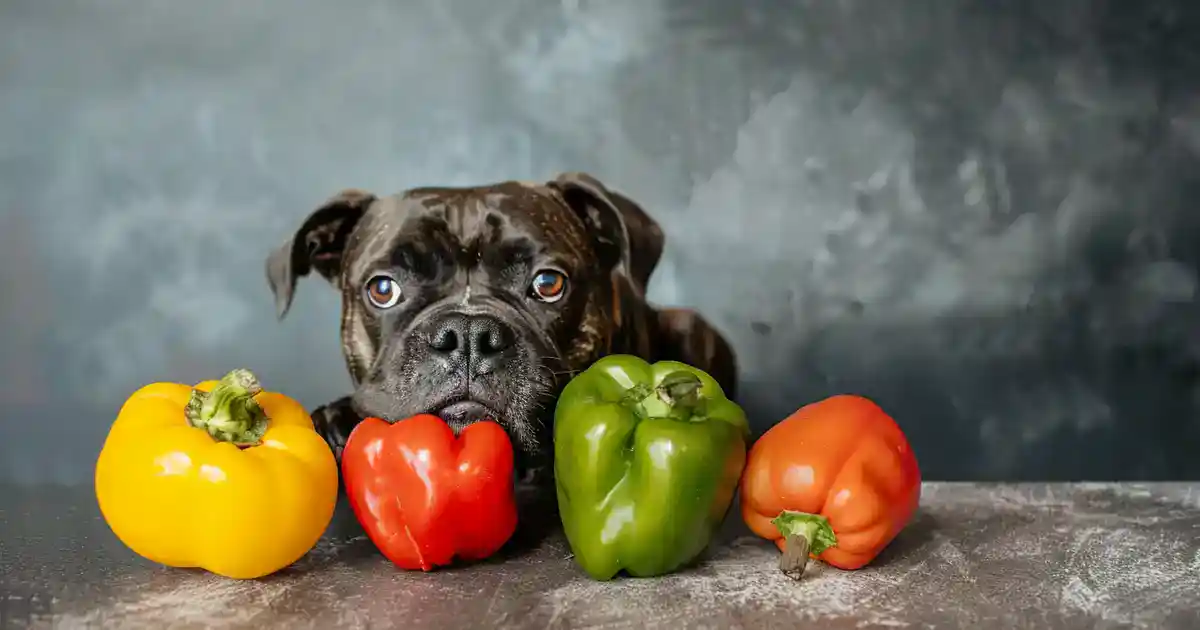
Have you ever wondered if those colorful bell peppers you’re chopping for dinner could make a healthy, crunchy treat for your eager pup watching hopefully from the kitchen floor, or whether the different colored varieties offer varying nutritional benefits for your furry friend? I used to think all peppers were off-limits for dogs until I discovered the wonderful truth about bell peppers and realized that these vibrant, vitamin-packed vegetables are not only safe but can provide excellent nutritional benefits when prepared properly and served in appropriate amounts. Now when my Border Terrier Ziggy gets his weekly portion of fresh bell pepper strips, I understand exactly why these sweet, crunchy vegetables support his immune system and overall health while providing a satisfying alternative to processed treats. Trust me, if you’ve been curious about sharing bell peppers with your dog or wondered about the difference between bell peppers and spicy peppers, this comprehensive guide will reveal everything you need to know about making these colorful vegetables a healthy addition to your dog’s treat rotation.
Here’s the Thing About Dogs and Bell Peppers
Here’s the delightful truth about bell peppers for dogs: these sweet, colorful vegetables are completely safe and packed with vitamins A, C, and E, plus antioxidants that can actually boost your dog’s immune system and support overall health when served fresh and properly prepared. What makes this situation so wonderful is understanding that bell peppers belong to the nightshade family but lack the capsaicin that makes hot peppers problematic, creating a perfect combination of nutritional benefits without any safety concerns for healthy dogs. I never knew that capsicum vegetables could vary so dramatically in their safety for dogs until I researched the difference between sweet bell peppers and spicy varieties, discovering how these mild peppers provide excellent nutrition without any of the digestive irritation associated with their hotter cousins. The combination of high vitamin content, natural crunchiness, and appealing sweetness creates amazing benefits for dogs who enjoy vegetable treats and need low-calorie, nutrient-dense snack options. It’s honestly more straightforward than I ever expected—a simple vegetable that requires minimal preparation to become a safe, healthy treat that most dogs genuinely enjoy.
What You Need to Know – Let’s Break It Down
Understanding proper bell pepper preparation is absolutely crucial for maximizing safety and nutritional benefits while ensuring your dog enjoys this healthy treat. I finally figured out that all bell pepper colors—red, yellow, orange, and green—are safe for dogs, with red peppers offering the highest vitamin content because they’re the most mature, though all varieties provide excellent nutrition (took me forever to realize the color differences were just ripeness stages of the same vegetable). Fresh, crisp bell peppers work best because they provide optimal nutrition and the satisfying crunch that many dogs love.
Don’t skip the preparation steps—always remove the stem, seeds, and white membranes because while not toxic, these parts can be harder to digest and may cause mild stomach upset in sensitive dogs. I always recommend washing bell peppers thoroughly to remove any pesticide residues or surface bacteria, then cutting them into appropriate sizes based on your dog’s chewing ability and size. Organic bell peppers provide the cleanest option when available, but conventional peppers are safe when properly washed.
The serving method makes a significant difference in both safety and enjoyment. Healthy vegetable preparation for dogs demonstrates how proper sizing and preparation can enhance both safety and nutritional absorption. Yes, bell peppers really work as excellent training treats and here’s why: their natural sweetness appeals to most dogs while the satisfying crunch provides mental stimulation and dental benefits that processed treats often lack.
The Science and Psychology Behind Why This Works
Research from veterinary nutritionists demonstrates that bell peppers contain exceptionally high levels of vitamin C (higher than citrus fruits), beta-carotene, and antioxidants including flavonoids that can support canine immune function and cellular health. Studies confirm that the natural fiber in bell peppers aids digestion while the low calorie content makes them ideal for dogs needing weight management or frequent training rewards. What research actually shows is that dogs can effectively utilize the vitamins and antioxidants in bell peppers, with the natural enzymes helping to break down and absorb these beneficial compounds.
The psychology of offering colorful, crunchy vegetables creates positive associations with healthy foods while satisfying dogs’ natural desire to chew and explore different textures. Unlike processed treats that provide quick satisfaction followed by hunger, bell peppers offer sustained chewing satisfaction while delivering genuine nutritional benefits. Expert research on canine nutrition confirms that incorporating appropriate vegetables into dogs’ diets can enhance overall nutrition while providing mental enrichment through varied eating experiences and natural foraging behaviors.
Here’s How to Safely Prepare Bell Peppers for Dogs
Start by selecting fresh, firm bell peppers that feel heavy for their size and have bright, glossy skin without soft spots, wrinkles, or dark patches that indicate age or spoilage. Here’s where I used to make preparation mistakes: I thought dogs could eat bell peppers exactly as humans do, but removing seeds and membranes prevents potential digestive upset and makes the peppers easier for dogs to process safely.
Now for the essential preparation steps—wash the bell pepper thoroughly under cool running water, then cut off the top stem area and slice the pepper open to expose the interior. Remove all seeds and the white membrane (pith) from inside the pepper, as these parts can be harder to digest and may cause mild stomach upset in some dogs.
Here’s my secret for perfect dog-safe bell pepper preparation: I cut the cleaned pepper flesh into strips or small pieces appropriate for my dog’s size—thin strips for small dogs, larger pieces for big dogs, but always sized so they can chew comfortably without choking risk. My veterinarian taught me this sizing approach—if the piece is larger than your dog’s normal kibble, it might be too big for safe consumption.
Don’t worry if bell peppers seem very crunchy when raw; this texture provides excellent dental benefits and most dogs enjoy the satisfying crunch. You can lightly steam bell peppers if your dog prefers softer textures, though raw peppers provide maximum vitamin content and natural crunchiness.
The timing of treats matters significantly—offer bell pepper pieces as training rewards, between-meal snacks, or mixed into regular food rather than as meal replacements. Start with just one or two small pieces for first-time bell pepper experiences to ensure your dog tolerates them well and shows interest in this new treat option.
Common Mistakes (And How I Made Them All)
Don’t make my mistake of giving Ziggy bell pepper pieces with seeds still attached because I thought they were harmless—I ended up with a dog who had minor digestive upset because I ignored the preparation guidelines that experts recommend for optimal digestibility. The biggest error I see dog owners make is assuming all peppers are the same and accidentally offering spicy peppers instead of sweet bell peppers, not realizing that only bell peppers are safe for dogs.
I used to think that because bell peppers are healthy for humans, unlimited amounts must be fine for dogs. Wrong! Even healthy vegetables should be given in moderation as treats rather than meal components, and some dogs may be more sensitive to new foods than others. Another significant mistake I made was not removing the white membranes inside the peppers, which can be tougher to digest and potentially cause mild stomach upset.
The mindset mistake that nearly everyone makes is treating bell peppers like any other dog treat instead of understanding they’re fresh vegetables that require proper preparation and gradual introduction. Some dogs love bell peppers immediately while others need time to appreciate the new texture and flavor, especially if they’re not used to eating vegetables. I learned to observe Ziggy’s individual response and adjust portion sizes and frequency based on his enjoyment and tolerance rather than assuming one approach works for all dogs.
When Things Don’t Go as Planned (And They Might)
Feeling concerned about your dog’s reaction to bell peppers or unexpected digestive changes after introducing this new vegetable? This is completely normal, and it happens to everyone when adding new foods to their pet’s diet. If your dog shows signs of digestive sensitivity like mild gas or loose stools after eating bell peppers, reduce the portion size or temporarily pause introduction while their system adjusts.
You probably need more patience with introduction if your dog seems hesitant about bell peppers’ texture or taste—I’ve learned to handle this by starting with very small pieces mixed with foods they already enjoy or offering bell peppers during high-motivation training sessions when they’re most interested in treats. When digestive sensitivity occurs (and it occasionally will), don’t stress, just slow down the introduction process and use smaller portions until tolerance develops.
This is totally manageable if you notice your dog becoming obsessed with bell peppers and begging constantly during meal preparation. I always prepare for this by having consistent boundaries about treat timing and using bell peppers strategically as training rewards rather than giving in to persistent demands. If you’re feeling uncertain about bell pepper appropriateness, try offering just one small piece every few days and monitoring closely for any adverse reactions while building positive associations gradually.
Advanced Strategies for Maximum Benefits
Advanced dog owners often implement specialized techniques like creating “rainbow pepper enrichment” where different colored bell peppers provide varied nutritional profiles and visual interest during training sessions or puzzle toy stuffing. I discovered that combining bell pepper pieces with other dog-safe vegetables creates more complex nutritional combinations while maintaining appropriate portion sizes and preventing overreliance on any single vegetable.
When I want to maximize nutritional benefits for Ziggy, I use what I call “Vitamin C Boost Training” where bell pepper pieces become high-value rewards during challenging training sessions that require sustained motivation and focus. For dogs needing weight management or diabetic dietary support, I work with my veterinarian to determine optimal serving frequencies and portion sizes that provide nutritional benefits without affecting blood sugar or caloric goals.
The expert-level approach includes understanding seasonal bell pepper availability and selecting the highest quality, most nutrient-dense peppers when they’re at peak freshness and affordability. Advanced preparation involves batch-preparing appropriate portions and storing them properly to maintain freshness while ensuring consistent availability for training and treat opportunities throughout the week.
Ways to Make This Your Own
When I want to enhance Ziggy’s treat variety, I use what I call “Pepper Color Rotation” where different colored bell peppers provide subtle flavor and nutritional variations that keep treat time interesting while maintaining safety and appropriate portions. For special training sessions, I’ll prepare “Pepper Jackpot Rewards” where bell pepper pieces become ultimate motivation for breakthrough behaviors or complex learning sequences.
This makes treat preparation more engaging and definitely worth the effort when you’re working on challenging training goals or wanting to provide maximum nutritional variety. My health-focused version includes coordinating bell pepper treats with other nutrient-dense vegetables to create comprehensive vitamin and antioxidant support throughout the week.
Sometimes I create “pepper puzzles” by hiding small bell pepper pieces in treat-dispensing toys or snuffle mats, providing both nutrition and mental enrichment that keeps Ziggy engaged for extended periods. For next-level nutrition, I love combining bell peppers with other antioxidant-rich foods in very small amounts to create comprehensive immune-supporting treat combinations.
My advanced approach includes “Seasonal Pepper Planning” where bell pepper treats become part of structured nutritional rotation that provides year-round variety while taking advantage of peak quality and affordability during different seasons. Each variation works beautifully with different goals—whether you’re supporting immune function, providing training motivation, or simply adding healthy variety to your dog’s treat routine.
Why This Approach Actually Works So Well
Unlike many commercial dog treats that provide empty calories or artificial flavors, fresh bell peppers deliver genuine nutritional benefits including immune-supporting vitamins and antioxidants while satisfying dogs’ natural desire for varied textures and flavors. The secret lies in bell peppers’ unique combination of high vitamin content, natural sweetness, and satisfying crunch that provides both physical and mental enrichment during treat time.
What makes this different from processed treat strategies is the whole food nutrition that supports fundamental biological processes while providing natural dental benefits through the chewing action required to consume fresh vegetables. I discovered through experience that dogs receiving appropriate amounts of fresh vegetables like bell peppers often show improved coat condition, sustained energy levels, and enhanced enthusiasm for healthy foods compared to those eating only processed treats.
This approach creates lasting healthy habits because it’s based on providing foods that support overall wellness while satisfying dogs’ natural foraging instincts and need for dietary variety.
Real Success Stories (And What They Teach Us)
One of my favorite examples involves a senior Golden Retriever named Max whose owner introduced bell peppers as part of an immune-support protocol recommended by their holistic veterinarian. Within several months, Max showed improved energy levels and fewer seasonal allergies, demonstrating how appropriate vegetable supplementation can support aging dogs’ health maintenance. His success illustrates how fresh vegetables can provide genuine health benefits when incorporated thoughtfully into comprehensive wellness plans.
Another encouraging story comes from a dog training facility that started using small bell pepper pieces as training rewards and found that dogs worked harder for these fresh treats compared to processed alternatives, while trainers appreciated the nutritional benefits and natural teeth-cleaning action. Their success aligns with research showing how novel, naturally appealing rewards can enhance motivation while supporting overall health.
A particularly touching example involves a rescue dog named Bella who arrived with poor appetite and low energy. Her foster family introduced various healthy treats including bell peppers, and Bella’s enthusiasm for these crunchy vegetables helped rebuild her interest in food while providing essential vitamins during her recovery. These stories teach us that fresh, healthy treats can support both physical health and emotional well-being while creating positive associations with nutritious foods.
Tools and Resources That Actually Help
My recommended toolkit starts with a sharp vegetable knife for clean, precise cutting that creates appropriately sized pieces without crushing the pepper’s cellular structure. I personally use a cutting board dedicated to dog food preparation to ensure cleanliness and prevent cross-contamination with foods that might be harmful to dogs.
For storage, I love using glass containers with tight-fitting lids to keep prepared bell pepper pieces fresh in the refrigerator—properly stored cut peppers stay crisp for up to five days. A vegetable brush becomes invaluable for thorough cleaning, especially when using conventional peppers that may have pesticide residues.
The American Kennel Club’s guide to safe vegetables for dogs provides excellent information about vegetable preparation and serving recommendations. I always keep my veterinarian’s contact information readily available when introducing new foods, ensuring professional guidance is accessible if any concerns arise about tolerance or reactions.
Questions People Always Ask Me
Are all colors of bell peppers safe for dogs? Yes, red, yellow, orange, and green bell peppers are all safe for dogs. Red peppers have the highest vitamin content, but all colors provide excellent nutrition.
How much bell pepper can I give my dog safely? Start with 1-2 small pieces and observe tolerance. Most dogs can enjoy a few strips 2-3 times weekly, but portion should match your dog’s size and treat allowance.
Should I cook bell peppers or serve them raw to my dog? Raw bell peppers provide maximum nutrition and natural crunch that dogs enjoy, but lightly steamed peppers work for dogs who prefer softer textures.
Do I need to remove seeds and membranes from bell peppers? Yes, always remove seeds and white membranes as they can be harder to digest and may cause mild stomach upset in some dogs.
Can puppies eat bell peppers safely? Puppies over 12 weeks can try very small pieces of properly prepared bell peppers, but their developing digestive systems need extra caution with new foods.
What’s the difference between bell peppers and hot peppers for dogs? Bell peppers are sweet and safe for dogs, while hot peppers contain capsaicin that can cause digestive upset and should never be given to dogs.
Are organic bell peppers better for dogs? Organic peppers eliminate pesticide concerns, but conventionally grown peppers are safe when thoroughly washed. Choose based on availability and budget.
What if my dog doesn’t seem interested in bell peppers? Try different colors, sizes, or mixing small pieces with favorite foods. Some dogs need time to appreciate new textures and flavors.
Can bell peppers help with my dog’s weight management? Yes, bell peppers are low in calories and high in fiber, making them excellent treats for dogs needing weight control or frequent training rewards.
Should bell peppers replace other vegetables in my dog’s diet? Bell peppers should be part of vegetable variety rather than the only vegetable treat. Rotation prevents overconsumption and provides diverse nutrition.
How should I store prepared bell peppers for my dog? Store cut bell peppers in airtight containers in the refrigerator for up to 5 days. Prepare fresh portions regularly for optimal nutrition and safety.
What are signs that bell peppers don’t agree with my dog? Watch for digestive upset, gas, loose stools, or loss of appetite. Most dogs tolerate bell peppers well, but individual sensitivities can occur.
Before You Start Sharing
I couldn’t resist sharing this because bell peppers prove that some of the best treats for our dogs are hiding in our own refrigerators, providing genuine nutrition and satisfying crunch without any of the artificial additives or empty calories found in many processed treats. The best bell pepper experiences happen when you focus on proper preparation and appropriate portions, understanding that these colorful vegetables can enhance your dog’s nutrition while providing healthy variety and natural dental benefits.
Ready to begin? Start with a simple first step: select a fresh, colorful bell pepper, practice the proper cleaning and preparation techniques, then offer one small piece to see how your furry friend responds to this vitamin-packed vegetable. Building from there creates lasting healthy treat habits that support both nutrition and the joy of sharing wholesome foods with your beloved companion.




