
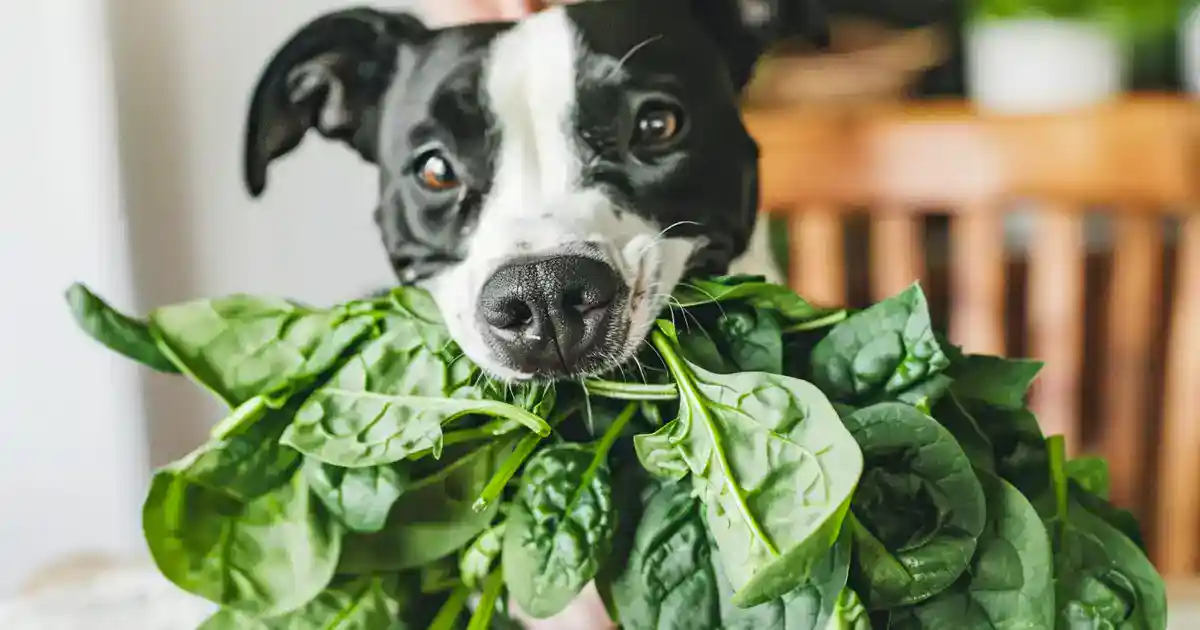
Have you ever wondered if that nutrient-packed spinach in your salad could be a healthy addition to your dog’s diet, or whether the conflicting information you’ve heard about spinach and kidney problems makes this leafy green too risky to share with your furry friend? I used to think all dark leafy greens were automatically beneficial for dogs until I discovered the complex relationship between spinach and canine health, learning that while this iron-rich vegetable offers genuine nutritional benefits, the oxalate content requires careful consideration for dogs with specific health conditions. Now when my Australian Shepherd Nova gets her occasional small portion of properly prepared spinach, I understand exactly which dogs can benefit from this nutritional powerhouse and which ones should avoid it completely to protect their kidney health. Trust me, if you’ve been confused by mixed messages about spinach safety for dogs or wondered whether the benefits outweigh the potential risks, this evidence-based guide will reveal the complete truth about when spinach can enhance your dog’s nutrition and when it should be avoided entirely.
Here’s the Thing About Dogs and Spinach
Here’s the nuanced truth about spinach for dogs: this nutrient-dense leafy green can provide excellent health benefits for most healthy dogs when served in moderation, but the natural oxalate content makes it potentially problematic for dogs with kidney issues, bladder stones, or certain health conditions that require oxalate restriction. What makes this situation require careful consideration is understanding that spinach contains both beneficial nutrients like iron, vitamins A and K, and folate, alongside naturally occurring oxalates that can contribute to kidney stone formation in susceptible dogs. I never knew that oxalate-containing foods could have such variable effects on different dogs until I researched canine nutrition and discovered how individual health status determines whether spinach is beneficial or potentially harmful. The combination of excellent nutritional density and specific health considerations creates a situation where spinach can be either a superfood or a risk factor depending entirely on your dog’s individual health profile. It’s honestly more individualized than I ever expected—a nutritious vegetable that requires personalized assessment rather than universal recommendations.
What You Need to Know – The Complete Safety Picture
Understanding your dog’s individual health status is absolutely crucial for determining whether spinach is appropriate and safe for their specific situation. I finally figured out that healthy dogs without kidney problems can benefit significantly from small amounts of properly prepared spinach, while dogs with kidney disease, bladder stones, or calcium oxalate stone history should avoid spinach completely (took me forever to understand this critical health-based distinction). Fresh, organic spinach provides the best nutritional value and lowest contamination risk, though frozen spinach can work when fresh isn’t available.
Don’t skip the veterinary consultation if your dog has any history of kidney problems, urinary issues, or calcium oxalate stones—these conditions make spinach potentially dangerous regardless of preparation method. I always recommend starting with very small amounts even for healthy dogs because some individuals may be more sensitive to oxalates than others. Proper preparation involves thorough washing, appropriate cooking methods that reduce oxalate content, and correct portion sizing based on your dog’s weight and health status.
The serving frequency makes a significant difference in both safety and benefit accumulation. Healthy vegetable rotation for dogs helps explain why variety prevents overconsumption of any single potentially problematic compound. Yes, spinach can be beneficial for healthy dogs when used appropriately, and here’s why: the iron content supports healthy blood cells while vitamins A and K contribute to immune function and bone health, making it valuable when balanced against individual risk factors.
The Science and Psychology Behind Spinach Safety
Research from veterinary nutritionists demonstrates that spinach contains significant levels of beneficial nutrients including iron, folate, and vitamins A, C, and K that can support canine health when consumed in appropriate amounts by dogs without oxalate-related health conditions. Studies confirm that cooking spinach can reduce oxalate content by up to 50%, making prepared spinach safer than raw varieties for dogs who can tolerate this vegetable. What research actually shows is that the oxalate concern is primarily relevant for dogs with specific health predispositions, while healthy dogs can typically process normal amounts without developing kidney problems.
The psychology of spinach nutrition reveals how this leafy green provides concentrated nutrition in small serving sizes, making it efficient for adding vitamins and minerals to dogs’ diets without excessive calories. Unlike many vegetables that provide primarily fiber and water, spinach delivers substantial nutritional density that can address specific deficiencies when used strategically. Expert veterinary nutrition research confirms that appropriate vegetable supplementation can enhance overall canine nutrition while supporting immune function and metabolic health when individual health factors are properly considered.
Here’s How to Safely Prepare Spinach for Dogs
Start by consulting your veterinarian about whether spinach is appropriate for your specific dog, especially if there’s any history of kidney problems, urinary issues, or stone formation that would make oxalate-containing foods problematic. Here’s where many people make assessment errors: they assume all dogs can eat the same foods without considering individual health profiles that might make certain vegetables inappropriate or beneficial.
Now for the critical preparation steps—select fresh, organic spinach leaves and wash them thoroughly to remove dirt, bacteria, and potential pesticide residues that could cause digestive upset. Remove any thick stems or damaged leaves, then steam or lightly sauté the spinach without oils, seasonings, or additives until it’s wilted and tender. This cooking process takes just a few minutes but significantly reduces oxalate content while making nutrients more bioavailable.
Here’s my secret for perfect dog-safe spinach preparation: I steam small amounts until completely wilted, then chop finely to prevent choking hazards and ensure easy digestion. My veterinarian taught me this portion approach—start with no more than a teaspoon of cooked spinach per 20 pounds of body weight, offered no more than 2-3 times weekly to prevent oxalate accumulation.
Don’t worry if the cooked spinach seems to lose volume dramatically; this is normal and actually concentrates the nutrients while reducing potential problematic compounds. Allow the spinach to cool completely before serving, and always mix it with your dog’s regular food rather than offering it as a standalone treat.
The timing matters significantly—offer spinach as an occasional supplement to regular meals rather than a daily addition, and monitor your dog for any digestive sensitivity or changes in urination patterns that might indicate individual intolerance. Every dog’s response varies based on their health status, so start conservatively and adjust based on individual tolerance and veterinary guidance.
Common Mistakes (And How I Made Them All)
Don’t make my mistake of giving Nova raw spinach because I thought it would preserve maximum nutrients—I ended up with a dog who had mild digestive upset because I ignored the preparation recommendations that experts provide for reducing oxalate content and improving digestibility. The biggest error I see dog owners make is not checking with their veterinarian about individual health factors that might make spinach inappropriate, assuming all dogs can safely consume any “healthy” vegetable.
I used to think that because spinach is nutritious for humans, unlimited amounts must be beneficial for dogs too. Wrong! Even healthy dogs need moderate portions to prevent potential oxalate accumulation, and dogs with kidney sensitivities may need to avoid spinach entirely. Another significant mistake I made was not cooking the spinach properly to reduce oxalate levels and improve digestibility.
The mindset mistake that nearly everyone makes is treating spinach like any other dog-safe vegetable instead of understanding it requires individualized assessment based on health status and careful portion control even for healthy dogs. Some dogs show excellent tolerance and apparent benefits from small amounts of cooked spinach, while others may experience digestive sensitivity or should avoid it due to pre-existing conditions. I learned to work with my veterinarian to determine what’s appropriate for Nova specifically rather than following general guidelines that might not fit her individual needs.
When Concerns Arise (And They Might)
Feeling uncertain about whether spinach is appropriate for your dog’s specific health situation? This is completely reasonable, and it’s exactly the kind of individual assessment that requires professional veterinary guidance rather than general dietary recommendations. If your dog has any history of kidney problems, urinary crystals, bladder stones, or calcium oxalate issues, spinach may be contraindicated regardless of preparation method.
You probably need veterinary consultation if you’re unsure about your dog’s kidney health status or notice any changes in urination frequency, color, or apparent discomfort after introducing spinach. I’ve learned to handle uncertainty by erring on the side of caution and always consulting with my veterinarian before introducing potentially problematic foods. When health concerns exist (and they sometimes do), don’t stress, just prioritize safety over nutritional variety until you have clear professional guidance.
This is totally manageable with appropriate professional assessment and individualized recommendations. I always prepare for dietary decisions by having current health information about Nova and clear communication with my veterinary team about any foods that might interact with her specific health profile. If you’re losing confidence about spinach appropriateness, focus on clearly safe vegetables like carrots or green beans until you can get definitive guidance about your dog’s individual situation.
Advanced Strategies for Appropriate Candidates
Advanced dog owners with healthy pets often implement specialized approaches like “nutritional rotation protocols” where spinach becomes part of a carefully planned vegetable variety program that prevents overconsumption while maximizing nutritional diversity. I discovered that combining small amounts of cooked spinach with other dog-safe vegetables creates more complete nutritional profiles while diluting any single potentially problematic compound.
When I want to maximize nutritional benefits for Nova (after veterinary approval), I use what I call “Micronutrient Boost Days” where small amounts of nutrient-dense vegetables like spinach supplement her regular diet on a rotating basis. For dogs requiring iron supplementation or immune system support, I work closely with my veterinarian to determine whether spinach inclusion provides measurable benefits worth any potential risks.
The expert-level approach includes understanding seasonal spinach quality variations and selecting the freshest, most nutrient-dense options when incorporating this vegetable into appropriate dogs’ diets. Advanced preparation involves batch-cooking small portions and freezing individual servings to ensure consistent availability and portion control while preventing waste from preparing too much fresh spinach at once.
Ways to Make This Knowledge Your Own
When I want to enhance Nova’s nutrition appropriately, I use what I call “Health-Status Nutrition” where every dietary addition is evaluated based on her specific health profile and current veterinary recommendations rather than general nutritional guidelines. For dogs cleared for spinach consumption, I’ll prepare “Iron-Rich Rotation Meals” where small amounts of cooked spinach complement other nutrients to address specific dietary goals.
This makes nutritional planning more personalized and definitely worth the extra consideration when you’re optimizing health for dogs with specific needs or supporting recovery from certain conditions. My veterinary-guided version focuses on working closely with Nova’s healthcare team to ensure every dietary choice supports rather than compromises her individual health requirements.
Sometimes I create “nutrient-tracking charts” to monitor how different vegetables affect Nova’s energy levels, coat condition, and overall health markers, though this requires careful observation and regular veterinary check-ups for meaningful assessment. For next-level nutrition, I love coordinating vegetable choices with seasonal health goals and Nova’s activity levels to provide optimal support during different life phases.
My advanced approach includes “Individualized Nutrition Planning” where spinach and other potentially beneficial but concerning foods are evaluated through the lens of Nova’s complete health picture rather than generic dietary recommendations. Each variation works beautifully with different health profiles—whether you’re supporting a young, healthy dog’s nutrition or carefully managing dietary choices for dogs with specific health considerations.
Why Individual Assessment Actually Matters
Unlike many dog foods that follow one-size-fits-all approaches, spinach represents a perfect example of why individualized nutrition assessment can optimize health outcomes while preventing potential problems in susceptible dogs. The secret lies in understanding that beneficial foods aren’t universally appropriate, and the most nutritious choices require consideration of individual health factors that affect safety and effectiveness.
What makes this personalized approach different from general dietary advice is how it can prevent health problems in susceptible dogs while maximizing benefits for appropriate candidates. I discovered through working with my veterinary team that dogs receiving individually tailored nutrition often show better health outcomes and fewer dietary-related complications compared to those following generic feeding guidelines.
This understanding creates better long-term health management because it’s based on recognizing that optimal nutrition requires balancing potential benefits against individual risk factors rather than assuming all “healthy” foods are appropriate for every dog.
Real-World Applications (And What They Teach Us)
One of my favorite examples involves a working dog whose handler worked with a veterinary nutritionist to include small amounts of cooked spinach as part of an iron-supplementation protocol for mild anemia. After several months of carefully monitored inclusion, the dog showed improved energy levels and better blood work results. His success demonstrates how appropriate use of nutrient-dense vegetables can address specific health needs when implemented with professional guidance.
Another encouraging example comes from a senior dog whose owner wanted to boost nutrition naturally during cancer treatment. Their veterinary oncologist approved small amounts of cooked spinach as part of a comprehensive nutrition plan, and the dog maintained better energy and appetite throughout treatment. Their success aligns with research showing how targeted nutrition can support medical treatment when implemented appropriately.
A particularly instructive case involves a dog with a history of calcium oxalate stones whose owner initially wanted to include spinach for its iron content. Their veterinarian explained why spinach was contraindicated for this specific dog and helped identify alternative iron sources that wouldn’t increase stone formation risk. This example teaches us that understanding individual contraindications is just as important as recognizing potential benefits.
Tools and Resources That Support Safe Decisions
My recommended approach starts with maintaining current health records and regular veterinary check-ups that provide the foundation for making informed dietary decisions about potentially problematic foods like spinach. I personally use a vegetable tracking journal to monitor Nova’s responses to different additions and identify any patterns that might indicate sensitivities or benefits.
For preparation, I love having a reliable steamer that allows consistent cooking methods that reduce oxalate content while preserving nutritional value. A kitchen scale becomes invaluable for accurate portion control, ensuring I never exceed appropriate serving sizes based on Nova’s weight and health status.
The American College of Veterinary Nutrition’s guidelines provide excellent science-based information about vegetable inclusion in canine diets that helps distinguish evidence from opinion. I always recommend having a strong relationship with a veterinarian who understands nutrition and can provide individualized guidance about specific foods like spinach based on complete health assessment.
Questions People Always Ask Me
Is spinach safe for all dogs? No, spinach is not appropriate for dogs with kidney problems, bladder stones, or calcium oxalate stone history due to oxalate content. Healthy dogs may benefit from small amounts when properly prepared.
How much spinach can I safely give my healthy dog? Start with no more than a teaspoon of cooked spinach per 20 pounds of body weight, offered 2-3 times weekly maximum. Always consult your veterinarian first.
Should I give my dog raw or cooked spinach? Always cook spinach for dogs—steaming or light sautéing reduces oxalate content and improves digestibility while making nutrients more bioavailable.
What are oxalates and why do they matter for dogs? Oxalates are naturally occurring compounds in spinach that can contribute to kidney stone formation in susceptible dogs, making spinach inappropriate for dogs with kidney or urinary issues.
How do I know if my dog shouldn’t eat spinach? Dogs with any history of kidney disease, bladder stones, urinary crystals, or calcium oxalate issues should avoid spinach. Your veterinarian can assess your dog’s individual risk factors.
Can puppies eat spinach safely? Puppies with healthy kidneys may have small amounts of properly cooked spinach after 12 weeks, but their developing systems need extra caution with any new foods.
What are the benefits of spinach for dogs? Spinach provides iron, vitamins A, C, and K, folate, and antioxidants that can support healthy blood cells, immune function, and overall nutrition in appropriate candidates.
How should I prepare spinach for my dog? Wash thoroughly, remove stems, steam or lightly sauté without seasonings until wilted, chop finely, cool completely, and mix with regular food in appropriate portions.
What if my dog accidentally ate a lot of raw spinach? Contact your veterinarian for guidance, especially if your dog has kidney issues or if a large amount was consumed. Monitor for digestive upset or urination changes.
Are there safer alternatives to spinach for dogs? Yes, vegetables like green beans, carrots, and broccoli provide nutrients without oxalate concerns, making them safer choices for dogs with kidney sensitivities.
How often can healthy dogs have spinach? Even healthy dogs should only have small amounts of cooked spinach 2-3 times weekly maximum to prevent oxalate accumulation over time.
Should I supplement my dog’s diet with spinach? Only if your veterinarian determines it’s appropriate for your dog’s specific health status and nutritional needs. Most dogs get complete nutrition from quality commercial diets.
Before You Make Dietary Decisions
I couldn’t resist sharing this because spinach represents a perfect example of why individualized nutrition assessment can optimize your dog’s health while preventing problems that might arise from one-size-fits-all dietary advice. The best spinach decisions happen when you prioritize your dog’s specific health profile over general nutritional recommendations, understanding that beneficial foods aren’t automatically appropriate for every dog.
Ready to make informed choices? Start with a simple but crucial step: schedule a veterinary consultation to discuss your dog’s individual health status and whether spinach inclusion might be beneficial or contraindicated for their specific situation. Understanding their unique needs creates a foundation for making dietary decisions that support rather than compromise their long-term health and well-being.




