
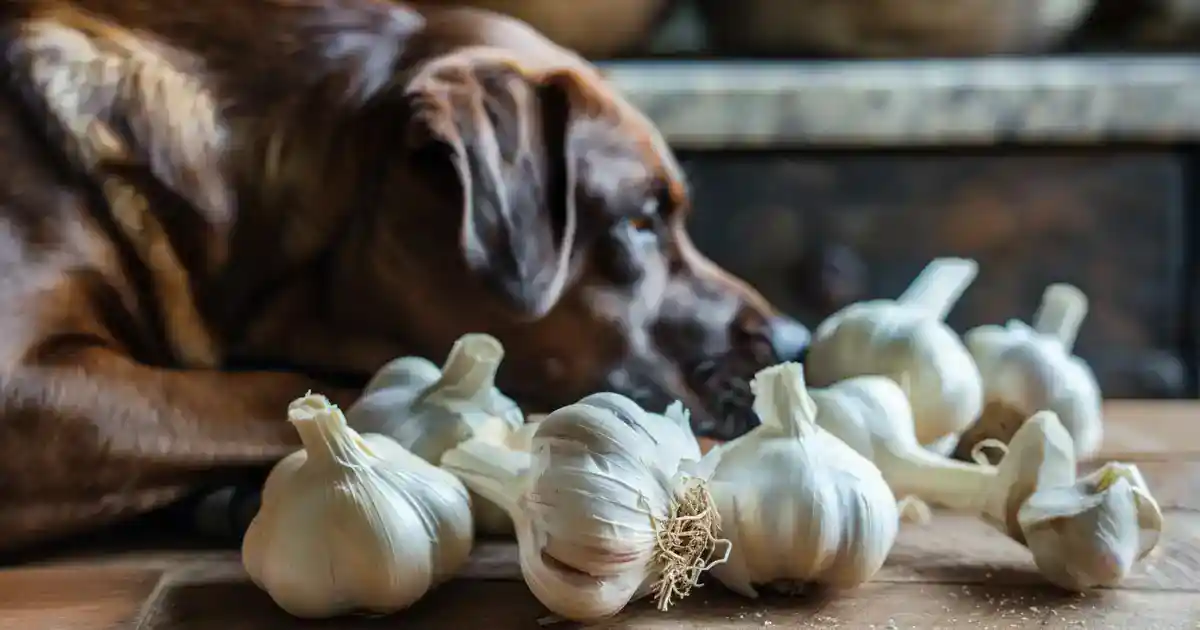
Have you ever wondered if that garlic-seasoned chicken you’re enjoying could be shared with your eager pup, or whether the garlic powder in your homemade dog treats might actually be putting your furry friend at serious risk? I used to think small amounts of garlic were harmless until I discovered the shocking truth about allium toxicity and realized that what seems like a tiny amount to us can cause life-threatening health problems for dogs. Now when my rescue dog Oliver watches me cook with garlic, I understand exactly why this common kitchen ingredient should never be anywhere near his food bowl, and I know the warning signs that could save his life if he accidentally ingests any. Trust me, if you’ve ever been confused about garlic safety or assumed that “a little bit won’t hurt,” this evidence-based guide will reveal the critical facts that every dog owner needs to know to keep their beloved companion safe.
Here’s the Thing About Dogs and Garlic
Here’s the crucial truth that every dog owner must understand: garlic is toxic to dogs and can cause serious, potentially life-threatening health problems even in relatively small amounts. What makes this situation so dangerous is that garlic contains compounds called thiosulfates that dogs cannot properly metabolize, leading to oxidative damage to their red blood cells and potentially fatal anemia. I never knew that allium family plants could be so dangerous for dogs until I started researching canine toxicology and discovered how these seemingly innocent kitchen staples can cause devastating health consequences. The combination of cumulative toxicity and delayed symptom onset creates a perfect storm where well-meaning pet parents can accidentally poison their dogs without realizing the danger. It’s honestly more serious than most people ever expect—a common ingredient that should be completely eliminated from any dog’s diet to prevent potentially catastrophic health emergencies.
What You Need to Know – Let’s Break It Down
Understanding the toxic mechanism is absolutely crucial for grasping why garlic is so dangerous for dogs. I finally figured out that garlic contains N-propyl disulfide and other organosulfur compounds that damage hemoglobin in canine red blood cells, leading to Heinz body anemia that can be fatal (took me forever to understand this complex but critical process). All forms of garlic are toxic—fresh, dried, powdered, cooked, or raw—and the toxicity is cumulative, meaning small amounts over time can build up to dangerous levels.
Don’t skip understanding the dosage that becomes dangerous—even as little as 15-30 grams of garlic per kilogram of body weight can cause toxicity, which means a single clove could harm a small dog. I always emphasize that there is no “safe” amount of garlic for dogs because individual sensitivity varies dramatically, and some dogs may show symptoms from much smaller exposures. The delayed onset of symptoms makes this particularly dangerous, as problems may not appear for 1-4 days after ingestion.
The severity scale ranges from mild digestive upset to life-threatening anemia requiring emergency veterinary intervention. Toxic foods and emergency response for dogs provides crucial information about recognizing and responding to food poisoning emergencies. No, garlic is never safe for dogs in any amount, and here’s why: the risk-to-benefit ratio is completely unacceptable when safe alternatives exist for any supposed health benefits people mistakenly attribute to garlic.
The Science and Psychology Behind Why This Is So Dangerous
Research from veterinary toxicologists demonstrates that garlic’s organosulfur compounds cause oxidative damage to canine red blood cells, leading to hemolytic anemia that can require blood transfusions in severe cases. Studies confirm that dogs lack the enzyme systems necessary to safely process thiosulfates, making them uniquely vulnerable to allium toxicity compared to humans. What research actually shows is that repeated small exposures can be just as dangerous as single large doses because the toxic compounds accumulate in the dog’s system over time.
The psychology of garlic toxicity makes it particularly insidious—many symptoms are subtle initially and can be mistaken for minor illness, leading to delayed treatment when early intervention is most critical. Unlike immediate toxins that cause obvious distress, garlic poisoning often presents as gradual weakness, pale gums, and reduced appetite that concerned owners might initially attribute to other causes. Expert veterinary toxicology research confirms that allium toxicity is one of the most common food-related poisoning cases in dogs, often because owners don’t realize the serious danger until symptoms become severe.
Here’s What You Must Do to Keep Dogs Safe
Start by completely eliminating garlic from any food preparation when dogs are present—this means checking ingredient labels on all dog treats, human foods shared with dogs, and even medications or supplements that might contain garlic extracts. Here’s where many people make critical mistakes: they think cooked garlic is safer than raw, but cooking actually concentrates the toxic compounds and makes garlic even more dangerous for dogs.
Now for the most important safety protocol—create garlic-free zones in your kitchen and never allow dogs access to garbage containing garlic scraps, cooking areas where garlic has been used, or any human foods that might contain garlic as an ingredient. Store all garlic products in secure containers completely inaccessible to curious dogs who might investigate interesting smells.
Here’s my emergency protocol that every dog owner should memorize: if your dog ingests any amount of garlic, contact your veterinarian or pet poison control hotline immediately—don’t wait for symptoms to appear because early intervention can be life-saving. My veterinarian stressed this critical point—garlic toxicity is a medical emergency that requires professional evaluation regardless of the amount consumed.
Don’t ever induce vomiting unless specifically instructed by a veterinary professional, as timing and circumstances affect whether this helps or potentially causes additional harm. The response time matters enormously—treatment within the first few hours after ingestion provides the best outcomes, while delayed treatment may require more intensive interventions.
Never assume your dog will be fine because they’ve eaten garlic before without obvious problems—toxicity is cumulative and individual sensitivity varies dramatically. Every exposure situation requires immediate professional consultation to determine appropriate monitoring and treatment protocols.
Common Mistakes (And How I’ve Seen Them All)
Don’t make the dangerous mistake I’ve witnessed where owners think “just a little bit” of garlic won’t hurt because their dog seems fine after previous small exposures—this ignores the cumulative toxicity that builds up over time and can suddenly become life-threatening. The biggest error I see dog parents make is assuming garlic powder or cooked garlic is safer than fresh garlic, not realizing that processing often concentrates the toxic compounds.
I’ve seen people think that because garlic has health benefits for humans, it must be good for dogs too. Absolutely wrong and potentially deadly! Dogs and humans have completely different digestive systems and enzyme capabilities. Another massive mistake is not reading ingredient labels carefully—garlic appears in many unexpected products including some dog treats, supplements, and human foods commonly shared with pets.
The mindset mistake that causes the most problems is treating garlic toxicity as “probably not that serious” instead of understanding it’s a genuine medical emergency. Some dogs show subtle early symptoms that owners dismiss as minor issues, while others may not show obvious signs until the toxicity is already severe. I’ve learned that any suspected garlic exposure requires immediate veterinary consultation regardless of how the dog appears initially.
When Garlic Exposure Happens (And It Might)
Feeling panicked because your dog ate something containing garlic? Take immediate action—this is a medical emergency that requires professional intervention regardless of the amount consumed or your dog’s current appearance. If garlic ingestion occurs, contact your veterinarian or pet poison control hotline immediately for specific guidance based on your dog’s size, the amount consumed, and timing of exposure.
You need professional guidance for any garlic exposure—I’ve learned that even veterinary professionals need specific information about the dog’s weight, amount consumed, type of garlic product, and time since ingestion to provide appropriate treatment recommendations. When garlic poisoning occurs (and quick action is critical), don’t waste time trying home remedies or waiting to see if symptoms develop.
This situation is completely manageable with prompt professional intervention, but becomes increasingly serious with delayed treatment. I always emphasize calling for help immediately because veterinary professionals can provide specific protocols for monitoring and treatment that significantly improve outcomes when implemented quickly. Never attempt to treat suspected garlic poisoning at home—this requires professional medical evaluation and potentially intensive supportive care.
Safe Alternatives That Actually Work
Dog owners seeking flavor enhancement should implement safe herb and spice alternatives like small amounts of parsley, basil, or oregano that provide taste without toxicity risks. I discovered that dogs often enjoy the natural flavors of dog-safe vegetables like carrots, sweet potatoes, or green beans that add variety without any health risks.
When I want to enhance my dog’s food appeal, I use what veterinarians call “safe flavor boosters” like a small amount of low-sodium bone broth, plain cooked chicken, or dog-safe fruits that provide taste enhancement without toxic risks. For dogs requiring appetite stimulation, I work with my veterinarian to identify safe options that address underlying health concerns rather than relying on potentially dangerous flavor additives.
The expert-level approach involves understanding that dogs don’t need complex seasonings and often prefer simple, natural flavors that support rather than compromise their health. Safe meal enhancement focuses on high-quality proteins, appropriate vegetables, and veterinarian-approved supplements that provide genuine nutritional benefits without any toxicity risks.
Why Understanding This Could Save Your Dog’s Life
Unlike many pet safety topics that involve minor risks, garlic toxicity represents a genuine threat that can cause permanent health damage or death if not recognized and treated promptly. The critical importance lies in understanding that garlic poisoning is completely preventable through education and careful ingredient monitoring, making every case a tragedy that could have been avoided.
What makes this knowledge absolutely essential is how commonly garlic appears in human foods and how easily accidental exposure can occur when dog owners don’t realize the serious danger. I’ve learned that dogs who survive garlic poisoning may experience lasting health effects including increased susceptibility to anemia and other complications that affect their quality of life permanently.
This understanding creates life-saving awareness because it’s based on preventing a genuine medical emergency rather than just optimizing nutrition or behavior—the stakes couldn’t be higher when it comes to keeping garlic completely away from dogs.
Real Emergency Stories (And What They Teach Us)
One of the most sobering cases I know involved a small terrier named Buddy whose owners gave him leftover pasta with garlic bread, thinking the small amount wouldn’t matter. Three days later, Buddy collapsed and required emergency blood transfusions to survive the severe anemia caused by garlic toxicity. His story demonstrates how even seemingly small exposures can cause life-threatening consequences, especially in smaller dogs.
Another critical example involved a family who regularly added garlic powder to their dog’s homemade food believing it would boost immunity. Their German Shepherd developed progressive weakness over several weeks before blood tests revealed severe anemia requiring intensive treatment. Their experience illustrates how cumulative toxicity can develop gradually through repeated small exposures that seem harmless individually.
A particularly tragic case involved a rescue dog who got into garbage containing garlic scraps and died because the owners didn’t realize the severity of garlic toxicity and delayed seeking treatment. These stories teach us that garlic poisoning is a genuine emergency requiring immediate professional intervention, and that prevention through education is the only acceptable approach to protecting our dogs.
Emergency Resources That Every Owner Needs
My essential emergency toolkit includes having the ASPCA Animal Poison Control Center number (888-426-4435) programmed into my phone and readily accessible for immediate consultation during suspected poisoning emergencies. I keep my veterinarian’s emergency contact information and the nearest 24-hour veterinary emergency clinic details easily accessible for after-hours situations.
For quick reference, I maintain a list of all foods toxic to dogs posted in my kitchen where anyone preparing food can see it. A pet first aid book becomes invaluable for understanding emergency protocols, though garlic toxicity always requires professional intervention rather than home treatment.
The ASPCA’s comprehensive toxicity database provides detailed information about garlic and other dangerous substances that helps dog owners recognize risks before exposure occurs. I always recommend establishing a relationship with a veterinarian before emergencies occur, ensuring you have immediate access to professional guidance when every minute counts.
Questions People Always Ask Me
Is any amount of garlic safe for dogs? No, there is no safe amount of garlic for dogs. Even small amounts can cause toxicity, and the effects are cumulative over time.
What if my dog ate garlic bread or garlic-seasoned food? Contact your veterinarian or pet poison control immediately, regardless of the amount consumed. This is a medical emergency requiring professional evaluation.
How long after eating garlic will symptoms appear in dogs? Symptoms typically develop 1-4 days after ingestion, which is why immediate veterinary consultation is crucial even if your dog seems fine initially.
Is garlic powder less dangerous than fresh garlic? No, garlic powder is actually more concentrated and potentially more dangerous than fresh garlic. All forms of garlic are toxic to dogs.
Can cooking garlic make it safe for dogs? No, cooking does not eliminate toxicity and may actually concentrate the harmful compounds. Cooked garlic remains dangerous for dogs.
What are the early signs of garlic poisoning in dogs? Early symptoms include weakness, lethargy, pale gums, vomiting, diarrhea, and loss of appetite. Severe cases can progress to collapse and difficulty breathing.
Should I make my dog vomit if they ate garlic? Never induce vomiting unless specifically instructed by a veterinary professional. Contact poison control or your vet for specific guidance first.
Can small amounts of garlic over time be more dangerous than one large amount? Yes, garlic toxicity is cumulative, meaning repeated small exposures can build up to dangerous levels even if each individual exposure seems minor.
Are some dog breeds more sensitive to garlic than others? While individual sensitivity varies, all dogs are susceptible to garlic toxicity regardless of breed, size, or previous exposure history.
What should I do if I’ve been giving my dog garlic regularly? Stop immediately and consult your veterinarian for blood work to check for anemia or other signs of toxicity, even if your dog seems healthy.
Are there any health benefits of garlic that justify the risk for dogs? No, any potential benefits are completely outweighed by the serious toxicity risks. Safe alternatives exist for any health goals people might attribute to garlic.
How is garlic poisoning treated in dogs? Treatment may include supportive care, IV fluids, medications to protect the stomach, and in severe cases, blood transfusions. Early intervention improves outcomes significantly.
Before You Take Any Risks
I couldn’t resist sharing this critical information because garlic toxicity is completely preventable, yet it remains one of the most common and serious food poisoning emergencies affecting dogs whose owners simply didn’t know the danger. The best protection happens when you understand that no amount of garlic is worth risking your dog’s life, and that vigilant ingredient checking and immediate emergency response can mean the difference between a close call and a tragedy.
Ready to protect your dog? Start with a simple but life-saving step: eliminate all garlic from your dog’s environment, check every ingredient label carefully, and program emergency numbers into your phone right now. This knowledge creates a safety barrier that could save your beloved companion’s life when prevention and quick action matter most.




