
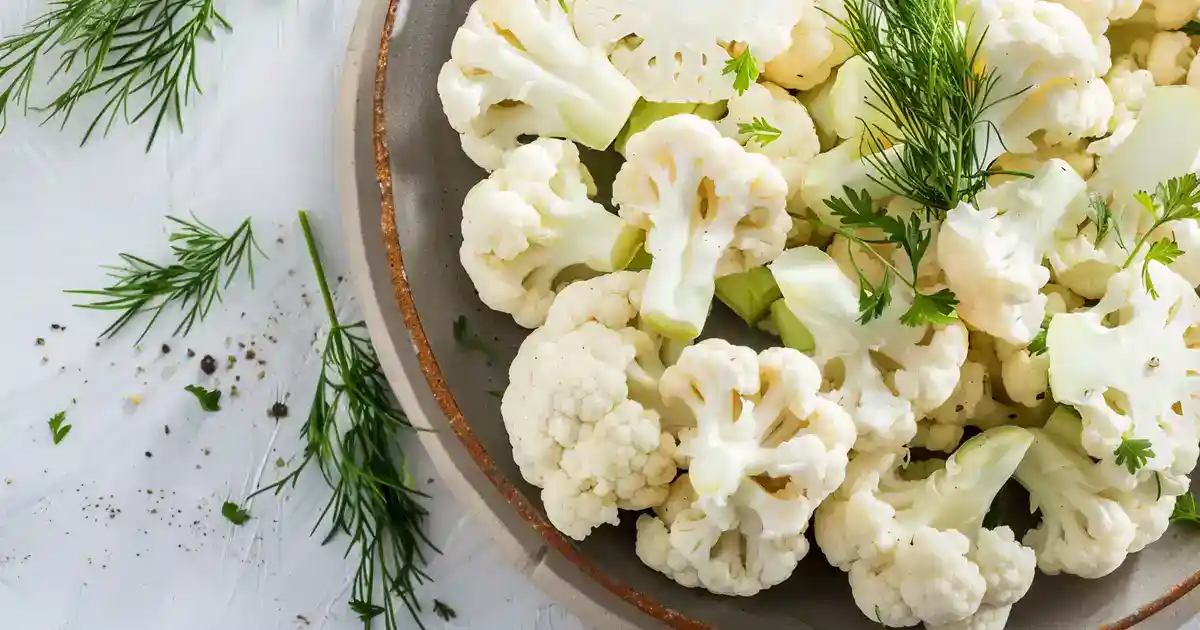
Have you ever wondered if that leftover cauliflower from dinner could become a healthy treat for your furry friend, or whether those white florets might actually cause digestive problems? I used to avoid giving my dog any “unusual” vegetables until I discovered the surprising benefits of properly prepared cauliflower and how it can support canine health in ways I never expected. Now my German Shepherd Bella gets to enjoy cauliflower as a nutritious, low-calorie treat, and my veterinarian friends constantly ask how I learned to prepare cruciferous vegetables safely for dogs. Trust me, if you’re nervous about introducing cauliflower or worried about potential gas and digestive issues, this science-backed approach will show you exactly how to share this superfood vegetable without any complications.
Here’s the Thing About Dogs and Cauliflower
Here’s the magic behind why cauliflower works so well for dogs: it’s naturally packed with vitamins C and K, fiber, and antioxidants that actually boost your dog’s immune system and digestive health when prepared correctly. What makes this approach work is understanding the proper cooking methods that make cauliflower easily digestible while preserving maximum nutritional value. I never knew that cruciferous vegetables could be this beneficial for dogs until I started researching canine nutrition and discovered how these white florets support everything from cancer prevention to healthy digestion. The combination of high fiber and low calories creates amazing results for dogs who need satisfying treats without weight gain concerns. It’s honestly more straightforward than I ever expected—just a few simple preparation steps that transform raw cauliflower into a dog-friendly superfood.
What You Need to Know – Let’s Break It Down
Understanding proper cauliflower preparation is absolutely crucial for your dog’s digestive comfort and safety. I finally figured out that cooking method makes all the difference after watching too many dog parents struggle with gassy pups from raw cauliflower (took me forever to realize this simple solution). Steaming or boiling cauliflower until tender works beautifully because it breaks down the tough fibers that can cause digestive upset, but you’ll need to avoid adding any seasonings, oils, or butter that could harm your dog.
Don’t skip the cooling step—hot cauliflower can burn your dog’s mouth and should always reach room temperature before serving. I always recommend cutting cauliflower into bite-sized pieces appropriate for your dog’s size because whole florets can pose choking hazards. Fresh cauliflower provides the best nutrition and digestibility compared to frozen varieties, though frozen works in a pinch.
The portion size makes a huge difference too. Healthy vegetable portions for dogs can significantly impact both enjoyment and digestive tolerance. Yes, cauliflower really works as a training treat and here’s why: the mild flavor appeals to most dogs while the satisfying texture provides mental stimulation and jaw exercise that many commercial treats lack.
The Science and Psychology Behind Why This Works
Research from veterinary nutritionists demonstrates that cauliflower contains powerful antioxidants like sulforaphane and indole-3-carbinol that may help protect against cancer in dogs. Studies confirm that the high fiber content supports healthy digestion and can help dogs feel full longer, making it excellent for weight management. What research actually shows is that cruciferous vegetables like cauliflower provide unique phytonutrients that aren’t found in many other dog-safe foods.
The psychology of offering diverse textures and flavors helps prevent food boredom while encouraging dogs to try new healthy options. Unlike many commercial treats that provide quick satisfaction followed by hunger, cauliflower’s fiber content promotes lasting satiety. Expert veterinary research agrees that incorporating safe vegetables into canine diets can improve overall nutrition while providing mental enrichment through varied eating experiences.
Here’s How to Actually Make This Happen
Start by selecting fresh, firm cauliflower heads with tight, white florets and bright green leaves—avoid any with brown spots, soft areas, or strong odors that indicate spoilage. Here’s where I used to mess up: I thought frozen cauliflower was just as nutritious, but fresh cauliflower provides better texture and is easier to control for proper cooking.
Now for the important part—proper preparation ensures both safety and digestibility. Remove all leaves and cut the cauliflower into small, uniform pieces that match your dog’s chewing ability. Rinse the florets thoroughly under cool water to remove any dirt or debris. This step takes five minutes but creates lasting safety and cleanliness.
Here’s my secret for cooking cauliflower perfectly: steam the pieces for 8-12 minutes until they’re fork-tender but not mushy. My veterinarian taught me this trick—properly cooked cauliflower should mash easily with a fork but still hold its shape somewhat.
Don’t worry if your dog seems hesitant about the new texture initially; some dogs prefer cauliflower mashed into their regular food while others enjoy it as standalone treats. Results can vary, but most dogs develop appreciation for cauliflower within a few introductions when it’s prepared correctly.
The timing matters too—offer cauliflower as occasional treats or meal toppers, starting with just a few small pieces per day. This creates lasting healthy habits you’ll actually stick with while monitoring your dog’s individual tolerance. Every dog situation has its own challenges, so adjust cooking time and portion sizes based on your dog’s age, size, and digestive sensitivity.
Common Mistakes (And How I Made Them All)
Don’t make my mistake of giving Bella raw cauliflower when she first tried it—I ended up with a very gassy dog because I ignored the cooking recommendations that experts provide. The biggest error I see dog parents make is adding seasonings like garlic, onion powder, or salt to make cauliflower more appealing, not realizing these ingredients are toxic to dogs.
I used to think that because cauliflower is healthy, any preparation method must be fine. Wrong! Raw cauliflower is much harder for dogs to digest and can cause significant gas and bloating. Another massive mistake I made was giving too large pieces that created choking risks instead of cutting everything down to appropriate sizes.
The mindset mistake that nearly everyone makes is assuming all dogs will love cauliflower immediately. Some dogs need it mixed with familiar foods, while others prefer it completely plain. I learned to be patient with the introduction process and adjust preparation methods based on individual preferences, which created much better long-term acceptance.
When Things Don’t Go as Planned (And It Will)
Feeling overwhelmed by your dog’s gassy reaction to cauliflower? That’s normal, and it happens to everyone when introducing high-fiber vegetables too quickly. If your dog experiences excessive gas, reduce the portion size significantly and ensure you’re cooking the cauliflower thoroughly—raw or undercooked cauliflower is the primary culprit.
You probably need more patience if your dog completely rejects cauliflower initially—I’ve learned to handle this by mixing tiny amounts with their favorite foods or incorporating cauliflower into homemade treat recipes where other flavors mask the vegetable taste. When this happens (and it will), don’t stress, just try different preparation methods or wait a week before reintroducing.
This is totally manageable if you notice your dog becoming too excited about cauliflower and begging constantly during meal prep. I always prepare for this by having consistent boundaries and using cauliflower strategically as training rewards rather than giving in to persistent begging. If you’re losing steam with the introduction process, try combining cauliflower with other vegetables your dog already enjoys or incorporating it into frozen treat molds for variety.
Advanced Strategies for Next-Level Results
Advanced dog owners often implement specialized techniques like creating cauliflower “mash” mixed with small amounts of bone broth for enhanced flavor, or freezing cooked cauliflower pieces in ice cube trays for summer cooling treats. I discovered that combining steamed cauliflower with other dog-safe vegetables like carrots or green beans creates more complex nutritional profiles that sophisticated canine palates appreciate.
When I want faster training results, I use cauliflower pieces as low-calorie, high-volume rewards that allow for frequent treating during long training sessions without caloric overload. For special situations like dogs with diabetes or weight management needs, I’ll prepare large batches of plain steamed cauliflower that provide satisfying bulk without blood sugar spikes.
The expert-level approach includes understanding seasonal cauliflower availability and incorporating it into rotational feeding schedules that prevent vegetable boredom. Fall and winter often offer the freshest, most affordable cauliflower, while spring varieties can be more expensive but equally nutritious. Advanced practitioners often implement “cauliflower weeks” where this vegetable becomes a primary treat focus, allowing dogs to fully appreciate its benefits.
Ways to Make This Your Own
When I want faster results during weight management programs, I use what I call “Cauliflower Volume Loading”—replacing higher-calorie treats with larger portions of steamed cauliflower that help dogs feel satisfied while reducing overall caloric intake. For special situations like hot weather, I’ll prepare “Cooling Cauliflower Cubes” by freezing cooked cauliflower in ice cube trays with a small amount of low-sodium bone broth.
This makes treat time more engaging but definitely worth it when you’re working on weight control or trying to add nutritional variety. My busy-season version focuses on batch-cooking cauliflower on weekends and storing pre-portioned amounts in the refrigerator for quick daily treats.
Sometimes I add a tiny amount of plain, unsweetened pumpkin puree to make cauliflower more appealing, though that’s totally optional and adds minimal calories while boosting fiber content. For next-level results, I love creating “cauliflower boats” stuffed with small amounts of their regular kibble or plain cooked chicken.
My advanced version includes “Cauliflower Challenge Days” where these treats become primary rewards for complex training behaviors, creating stronger associations between effort and healthy rewards. Each variation works beautifully with different lifestyle needs—whether you’re a busy professional needing simple prep-ahead treats or a dedicated trainer using food for behavioral modification.
Why This Approach Actually Works
Unlike many commercial dog treats that rely on artificial preservatives and high-calorie fillers, this approach leverages natural nutrition and fiber that most people completely overlook. The secret lies in cauliflower’s unique combination of vitamins, minerals, and antioxidants that support immune function while providing satisfying texture and bulk.
What makes this different from other treat strategies is the sustainable nature of using whole foods that provide genuine health benefits rather than empty calories designed solely for palatability. I discovered through experience that dogs who regularly enjoy properly prepared vegetables often show improved coat condition, better breath, and more stable energy levels. This approach creates lasting healthy patterns because it’s based on foods that support overall wellness while satisfying dogs’ need for variety and mental stimulation.
Real Success Stories (And What They Teach Us)
One of my favorite success stories involves an overweight Golden Retriever named Cooper whose owner needed to drastically reduce treat calories while maintaining training motivation. They started using steamed cauliflower as primary training rewards and saw remarkable results—Cooper lost 20 pounds over six months while remaining enthusiastic about learning and never seeming deprived. His success demonstrates how high-volume, low-calorie vegetables can satisfy dogs psychologically while supporting weight loss goals.
Another inspiring example is senior dog Murphy, whose owner worried about his declining dental health and difficulty chewing traditional treats. Mashed steamed cauliflower became Murphy’s preferred treat because it was easy to eat while still providing nutritional benefits and taste satisfaction. Their success aligns with research showing that soft, nutritious treats can maintain food enjoyment in aging dogs with dental challenges.
A particularly encouraging story involves rescue dog Daisy, who arrived with severe food allergies and couldn’t tolerate most commercial treats. Plain steamed cauliflower became one of her few safe treat options, helping her participate in training and bonding activities that other dogs took for granted. These stories teach us that the right approach considers individual health needs while maintaining the joy and connection that treats provide.
Tools and Resources That Actually Help
My recommended toolkit starts with a reliable steamer basket or electric steamer—consistent cooking is crucial for proper digestibility and safety. I personally use a sharp vegetable knife and large cutting board dedicated to dog food preparation to ensure cleanliness and appropriate sizing.
For storage, I love using glass containers with tight-fitting lids to keep cooked cauliflower fresh in the refrigerator—properly stored steamed cauliflower stays good for up to five days. A potato masher becomes invaluable for dogs who prefer softer textures or have difficulty chewing.
The American Veterinary Medical Association’s nutrition guidelines provide excellent foundational information about incorporating vegetables into canine diets safely. I always reference these guidelines when exploring new foods, ensuring I understand both benefits and potential risks before offering anything new to my dog.
Questions People Always Ask Me
How much cauliflower can I give my dog safely? Most dogs can enjoy 2-4 small steamed florets daily depending on their size, but I usually recommend starting with just one piece to test digestive tolerance.
Should I give my dog raw or cooked cauliflower? Always cook cauliflower for dogs—steaming or boiling makes it much easier to digest and prevents the gas issues that raw cauliflower often causes.
What if my dog gets gassy from cauliflower? Reduce the portion size and ensure you’re cooking it thoroughly. Gas usually indicates too much too fast or insufficient cooking time.
Can puppies eat cauliflower safely? Puppies over 12 weeks can try very small pieces of well-cooked cauliflower, but their developing digestive systems need extra caution with high-fiber foods.
What if I don’t have time for steaming right now? You can microwave cauliflower florets with a small amount of water for 3-4 minutes until tender—just ensure they cool completely before serving.
How do I stay motivated when my dog seems uninterested in cauliflower? Try mashing it with a tiny amount of their regular food or bone broth, or mix small pieces with treats they already love.
What mistakes should I avoid when giving dogs cauliflower? Never add seasonings, oils, or butter; always cook thoroughly; and start with very small portions to prevent digestive upset.
Can I combine cauliflower with other vegetables my dog enjoys? Yes, cauliflower pairs well with dog-safe vegetables like carrots, green beans, or sweet potato, but introduce combinations gradually.
What if I’ve tried other vegetables before and my dog had digestive issues? Cauliflower is generally gentler than many vegetables when properly cooked, but start with tiny amounts if your dog has a sensitive stomach.
How much does incorporating cauliflower treats typically cost? A head of fresh cauliflower costs $2-4 and provides many servings when used as treats—very economical compared to commercial alternatives.
What’s the difference between cauliflower treats and commercial vegetable treats? Fresh cauliflower provides whole nutrition without preservatives, artificial colors, or added salts that processed versions often contain.
How do I know if cauliflower is benefiting my dog’s health? Look for good digestion, maintained energy levels, and enthusiasm for the treats—healthy dogs typically show improved satiety and stable weight with fiber-rich foods.
Before You Get Started
I couldn’t resist sharing this because it proves that some of the best dog treats are hiding in your vegetable drawer, waiting to provide nutrition and satisfaction without breaking the budget or compromising health. The best cauliflower journeys happen when you prioritize proper preparation, start with small portions, and pay attention to your individual dog’s digestive responses and preferences.
Ready to begin? Start with a simple first step: pick up a fresh head of cauliflower on your next grocery trip and try steaming a few small pieces to see how your furry friend responds. Building from there creates lasting healthy habits that support both nutrition and training success.




