
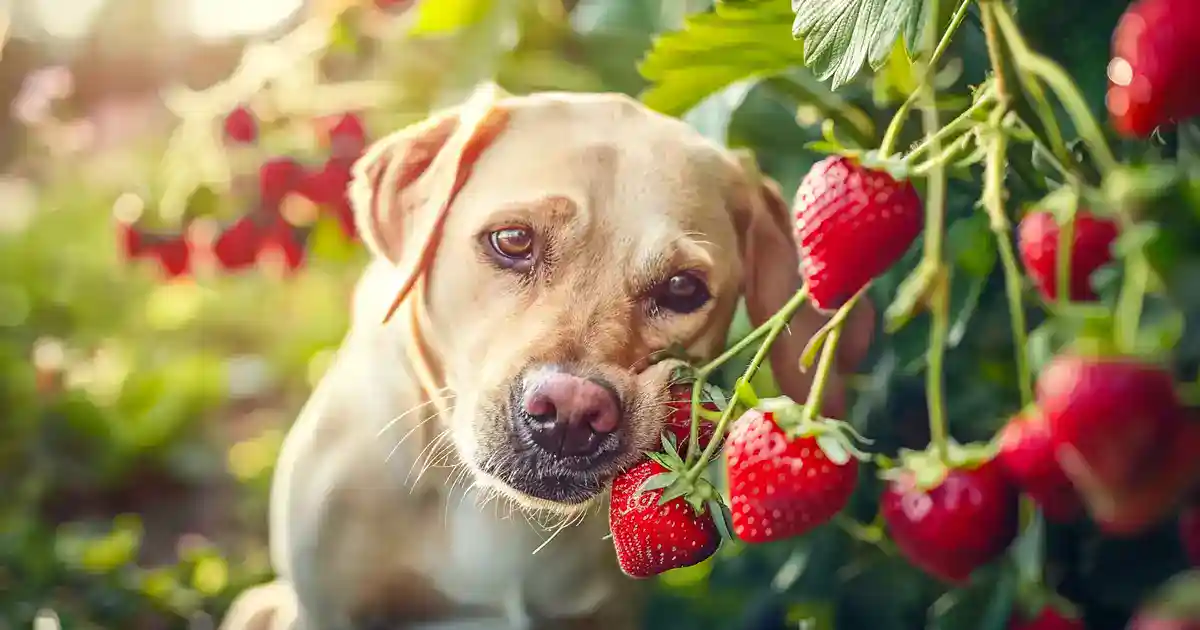
Have you ever watched your dog give you those irresistible puppy eyes while you’re enjoying a bowl of fresh strawberries, wondering if it’s safe to share? I used to worry constantly about which human foods were okay for my furry friend until I discovered the surprising truth about strawberries and dogs. Now my golden retriever Luna gets to enjoy these sweet treats safely, and my vet friends constantly ask how I learned so much about dog-safe fruits. Trust me, if you’re nervous about giving your dog strawberries or worried about potential health risks, this science-backed approach will show you exactly how to share these nutritious treats without any worry.
Here’s the Thing About Strawberries and Dogs
Here’s the magic behind why strawberries work so well as dog treats: they’re naturally packed with vitamins, antioxidants, and fiber that actually benefit your dog’s health when given properly. What makes this approach work is understanding the right portions and preparation methods that keep your furry friend safe while maximizing the nutritional benefits. I never knew that strawberries could be this beneficial for dogs until I started researching canine nutrition and discovered how these simple fruits support everything from immune function to dental health. The combination of natural sweetness and health benefits creates amazing results for dogs who need low-calorie treats. It’s honestly more straightforward than I ever expected—no complicated preparation needed, just a few simple guidelines to follow.
What You Need to Know – Let’s Break It Down
Understanding proper strawberry portions is absolutely crucial for your dog’s safety and enjoyment. I finally figured out that size matters tremendously after watching too many pet parents make portioning mistakes. Small dogs (under 25 pounds) should get no more than half a strawberry per day, while medium dogs (25-60 pounds) can safely enjoy 1-2 strawberries, and large dogs (over 60 pounds) can have up to 3-4 strawberries as an occasional treat (took me forever to realize this simple sizing rule).
Don’t skip the washing and preparation step—strawberries need thorough rinsing to remove pesticides and potential bacteria. I always recommend removing the green tops and stems because these parts can be difficult for dogs to digest and may pose choking hazards. Fresh, organic strawberries work beautifully, but you’ll need to avoid any berries that show signs of mold or overripeness.
The timing of treats makes a huge difference too. Healthy dog treat timing can impact digestion and training effectiveness. Yes, strawberries really work as training rewards and here’s why: their natural sweetness motivates dogs while the small size makes them perfect for frequent rewards without overfeeding.
The Science and Psychology Behind Why This Works
Research from veterinary nutritionists demonstrates that strawberries contain powerful antioxidants like anthocyanins and vitamin C that support canine immune systems. Studies confirm that the fiber content in strawberries can aid digestion, while the natural enzymes may help whiten your dog’s teeth naturally. What research actually shows is that dogs can metabolize the natural sugars in strawberries more efficiently than processed treat sugars.
The psychology of treating your dog with healthy options creates positive associations with nutritious foods while satisfying their natural craving for sweet flavors. Unlike artificial treats that provide empty calories, strawberries deliver actual nutritional value that supports long-term health. Experts agree that incorporating fresh fruits like strawberries into a dog’s diet can reduce reliance on processed treats while maintaining the reward value that makes training effective.
Here’s How to Actually Make This Happen
Start by selecting fresh, ripe strawberries that feel firm but give slightly to pressure—avoid any with white or green areas, as these aren’t fully developed. Here’s where I used to mess up: I thought frozen strawberries were just as good, but fresh ones provide better texture and are easier for dogs to digest.
Now for the important part—proper preparation makes all the difference. Wash the strawberries thoroughly under cool running water, then remove the green leafy tops and any stem pieces. Cut larger strawberries into bite-sized pieces appropriate for your dog’s size. This step takes five minutes but creates lasting safety and enjoyment.
Here’s my secret for introducing strawberries: start with just a tiny piece to test your dog’s reaction and check for any digestive sensitivity. My mentor (my veterinarian) taught me this trick—wait 24 hours after the first small piece to ensure no stomach upset occurs before offering more.
Don’t worry if your dog seems hesitant at first; some dogs need time to appreciate new flavors. Mix small strawberry pieces with their regular food or use them as high-value training treats. Results can vary, but most dogs develop a love for strawberries within a few introductions.
The timing matters too—offer strawberries as occasional treats, not daily additions. This creates lasting habits you’ll actually stick with while maintaining the special nature of the reward. Every dog situation has its own challenges, so adjust portions based on your dog’s size, activity level, and overall diet.
Common Mistakes (And How I Made Them All)
Don’t make my mistake of ignoring portion control when my dog Luna first tried strawberries—I gave her way too many and ended up with a very uncomfortable pup with stomach upset. The biggest error I see pet parents make is treating strawberries like regular dog treats and offering them multiple times daily without considering the sugar content.
I used to think that because strawberries are healthy, more must be better. Wrong! Even healthy treats should follow the 10% rule—treats shouldn’t make up more than 10% of your dog’s daily caloric intake. Another massive mistake I made was not removing the tops properly, which created unnecessary choking risks.
The mindset mistake that nearly everyone makes is assuming all dogs will love strawberries immediately. Some dogs prefer them mixed with other foods, while others need the berries cut into smaller pieces. I learned to be patient with the introduction process instead of forcing it, which created much better long-term results.
When Things Don’t Go as Planned (And It Will)
Feeling overwhelmed by your dog’s reaction to new treats? That’s normal, and it happens to everyone introducing fresh foods. If your dog shows signs of digestive upset like loose stools or vomiting after eating strawberries, stop offering them immediately and contact your veterinarian if symptoms persist.
You probably need more patience if your dog rejects strawberries initially—I’ve learned to handle this by mixing tiny pieces with their favorite foods or using strawberries only during high-energy training sessions when motivation is highest. When this happens (and it will), don’t stress, just try different preparation methods or wait a few weeks before reintroducing.
This is totally manageable if you notice your dog becoming too excited about strawberry treats. I always prepare for this by having other healthy alternatives ready and rotating different fruits to maintain novelty without creating obsession. If you’re losing steam with the introduction process, try incorporating strawberries into frozen treat recipes or puzzle toys for added entertainment value.
Advanced Strategies for Next-Level Results
Advanced dog owners often implement specialized techniques like freezing strawberry pieces in ice cube trays for summer cooling treats or blending them into homemade dog-safe smoothies. I discovered that combining strawberries with other dog-safe fruits like blueberries or apple pieces (without seeds) creates more complex flavors that sophisticated canine palates appreciate.
When I want faster training results, I use strawberry pieces as jackpot rewards—the highest-value treats reserved for breakthrough moments or complex behavior chains. For special situations like socialization training or vet visits, I’ll prepare strawberry-stuffed puzzle toys that provide both mental stimulation and positive associations.
The expert-level approach includes understanding seasonal availability and adjusting treat routines accordingly. Spring and summer strawberry seasons offer the freshest options, while winter months might require frozen alternatives or transitioning to other seasonal fruits. Advanced practitioners often implement rotation schedules that prevent treat fatigue while maintaining nutritional variety.
Ways to Make This Your Own
When I want faster results during training sessions, I use what I call “Strawberry Jackpots”—tiny pieces saved for major breakthroughs that create lasting positive memories. For special situations like introducing new environments, I’ll prepare “Comfort Strawberries” mixed with familiar treats to reduce anxiety while maintaining motivation.
This makes training more intensive but definitely worth it when you’re working on complex behaviors or challenging situations. My busy-season version focuses on pre-cut, portioned strawberry pieces stored in the refrigerator for quick access during short training windows.
Sometimes I add a small amount of plain yogurt (dog-safe, no artificial sweeteners), though that’s totally optional and increases calories significantly. For next-level results, I love creating frozen strawberry-and-water treats in silicone molds that provide longer-lasting entertainment during hot weather.
My advanced version includes “Strawberry Training Days” where these treats become the primary reward for intensive learning sessions, creating stronger associations between effort and high-value rewards. Each variation works beautifully with different lifestyle needs—whether you’re a busy professional needing quick treat solutions or a dedicated trainer working on complex behaviors.
Why This Approach Actually Works
Unlike traditional processed dog treats that rely on artificial flavors and preservatives, this approach leverages natural nutrition that most people ignore. The secret lies in strawberries’ unique combination of sweetness, vitamins, and fiber that satisfies both taste and health requirements simultaneously.
What makes this different from other treat strategies is the sustainable nature of using whole foods that you’re likely already purchasing for your family. I discovered through experience that dogs develop more sophisticated palates when exposed to natural flavors, reducing their dependence on heavily processed alternatives. This approach creates lasting healthy habits because it’s based on foods that provide genuine nutritional value rather than empty calories designed solely for palatability.
Real Success Stories (And What They Teach Us)
One of my favorite success stories involves a rescue dog named Max who was extremely food-motivated but struggled with weight management. His owner started using strawberries as training treats and saw remarkable improvements in both behavior and body condition within two months. Max learned to associate healthy choices with positive experiences, and his overall food relationship improved dramatically.
Another inspiring example is Bella, a senior dog whose owner worried about her declining interest in regular treats. Strawberries rekindled Bella’s enthusiasm for training while providing antioxidants that supported her aging immune system. Their success aligns with research on behavior change that shows consistent patterns—introducing healthy alternatives gradually creates lasting preference shifts.
A particularly touching story involves therapy dog Charlie, whose handler needed high-value treats that wouldn’t interfere with his working dog diet. Strawberries became Charlie’s special reward for difficult therapy sessions, providing both nutrition and motivation without compromising his professional performance. These stories teach us that the right approach adapts to individual needs while maintaining core safety principles.
Tools and Resources That Actually Help
My recommended toolkit starts with a good vegetable brush for thorough strawberry cleaning and a sharp paring knife for safe preparation. I personally use glass storage containers to keep pre-cut strawberry pieces fresh in the refrigerator—they last about three days when properly stored.
For portion control, I love using small silicone ice cube trays to freeze individual serving sizes, making it impossible to accidentally over-treat. A kitchen scale becomes invaluable for larger dogs where precise portioning matters more for calorie management.
The American Kennel Club’s nutrition guidelines provide excellent foundational information about incorporating fresh foods into dog diets safely. I always keep a dog first aid book handy when introducing new foods, though reactions to strawberries are typically mild if they occur at all.
Questions People Always Ask Me
How many strawberries can I give my dog safely?
Most dogs can enjoy 1-4 strawberries depending on their size, but I usually recommend starting with half a strawberry to test tolerance. Small dogs need much smaller portions than large breeds.
What if my dog has never had strawberries before?
Absolutely start slow—just a tiny piece first, then wait 24 hours to ensure no digestive upset before offering more. This prevents overwhelming their system.
Are frozen strawberries okay for dogs?
Fresh strawberries work better for digestion and texture, but unsweetened frozen strawberries can work as occasional cooling treats during hot weather.
Can puppies eat strawberries safely?
Puppies over 12 weeks can try very small pieces, but their developing digestive systems need extra caution. Always check with your vet first for young puppies.
What if I don’t have time for preparation right now?
You can buy pre-washed organic strawberries and just remove the tops quickly—the most important thing to focus on is proper portioning for your dog’s size.
How do I stay motivated when my dog seems uninterested?
Try mixing tiny strawberry pieces with their regular food or using them only during high-energy training when they’re most food-motivated.
What mistakes should I avoid when starting strawberries for dogs?
Never give moldy or overripe berries, always remove the green tops, and don’t exceed recommended portions even if your dog begs for more.
Can I combine strawberries with other fruits my dog already enjoys?
Yes, strawberries pair well with dog-safe fruits like blueberries or apple pieces (no seeds), but remember to adjust total portions accordingly.
What if I’ve tried other healthy treats before and my dog rejected them?
Strawberries have natural sweetness that many dogs find more appealing than vegetables, so they’re often a good “gateway” healthy treat.
How much does implementing strawberry treats typically cost?
A container of organic strawberries usually costs $3-5 and provides weeks of training treats when portioned properly—much more economical than processed treats.
What’s the difference between strawberry treats and commercial fruit treats?
Fresh strawberries provide whole nutrition without preservatives, artificial colors, or added sugars that commercial versions often contain.
How do I know if my dog is making real progress with healthy treat acceptance?
Look for eager anticipation when you prepare strawberries and willingness to work for them during training sessions—both indicate successful integration.
Before You Get Started
I couldn’t resist sharing this because it proves that healthy treating doesn’t have to be complicated or expensive—sometimes the best solutions are sitting right in your refrigerator. The best strawberry journeys happen when you start small, stay consistent, and pay attention to your individual dog’s preferences and needs.
Ready to begin? Start with a simple first step: pick up some fresh strawberries on your next grocery trip and try offering one small piece to see how your furry friend responds. Building momentum from there creates lasting healthy habits you’ll both enjoy.




