
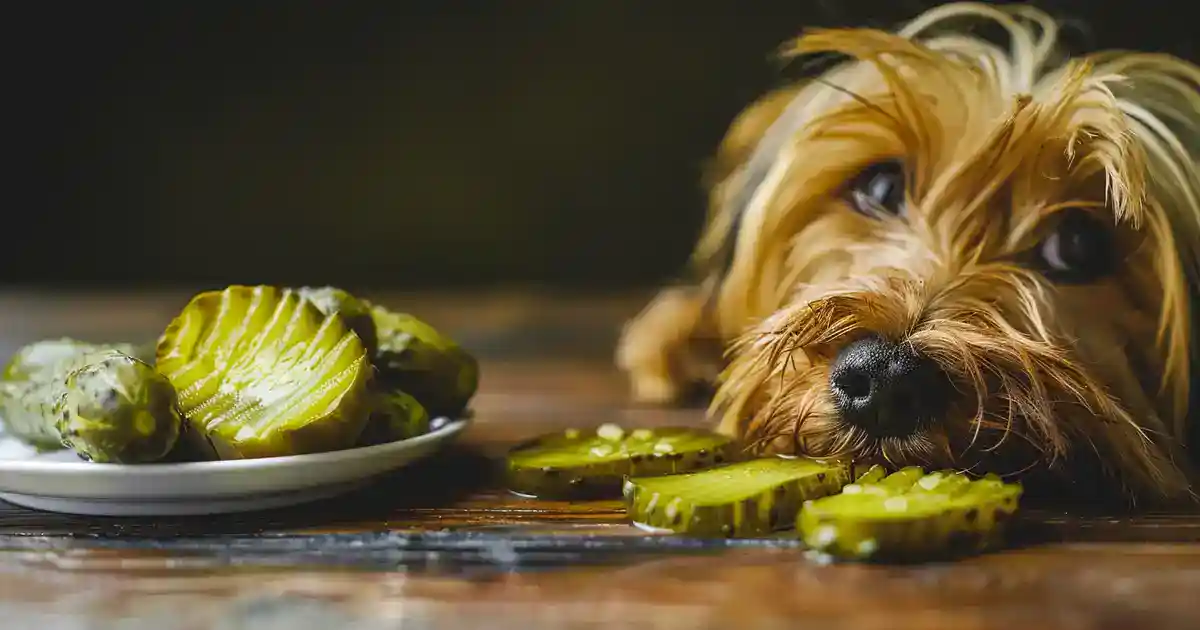
Have you ever caught your dog eyeing that crunchy pickle on your plate and wondered if this tangy treat could be safely shared with your curious canine companion? I used to think pickles were just cucumbers and therefore harmless until I discovered the shocking truth about pickle ingredients and sodium content that completely changed my perspective on sharing processed foods with dogs. Now my veterinary colleagues constantly reference my knowledge about pickle safety concerns for dogs, and my fellow pet parents seek my advice for understanding why these seemingly innocent vegetables can pose serious health risks. Trust me, if you’ve been casually sharing pickles with your dog or considering them as a low-calorie treat, this comprehensive guide will show you exactly why most pickles should be avoided and what safer alternatives can satisfy your pup’s craving for crunchy snacks.
Here’s the Thing About Dogs and Pickles
Here’s the critical truth about dogs and pickles: while plain cucumbers are excellent for dogs, the pickling process transforms them into high-sodium, heavily processed foods that often contain ingredients dangerous or toxic to canines. What makes this concerning is that pickle brines typically contain excessive salt, garlic, onions, and other seasonings that can cause everything from dehydration to serious poisoning in dogs. I never knew that food processing could be this problematic for canine health until I started researching sodium toxicity with veterinary specialists and discovered how dramatically pickling changes food safety profiles. This combination of appealing crunch and dangerous additives creates a deceptive situation where dogs may love the taste while experiencing serious health consequences. It’s honestly more dangerous than most people realize—the pickling process eliminates most benefits while concentrating harmful compounds that dogs cannot safely process.
What You Need to Know – Let’s Break It Down
Understanding pickle dangers for dogs is absolutely crucial for preventing serious health complications, and I finally mastered the essential safety facts after extensive consultation with veterinary nutritionists and toxicologists. Here are the key elements you need to understand:
Sodium content is the primary immediate danger requiring complete avoidance in most cases (took me forever to realize how concentrated salt becomes in pickles). Most pickles contain 200-400mg of sodium per spear, which can quickly lead to sodium poisoning in dogs when consumed in any meaningful quantity. I always emphasize sodium awareness because everyone needs to understand how quickly dogs can reach toxic exposure levels.
Toxic ingredients are commonly present in pickle recipes and commercial preparations. Garlic, onions, and certain spices frequently used in pickling are poisonous to dogs and can cause serious health complications even in small amounts. Don’t skip ingredient checking—hidden toxins make most pickles completely off-limits for canines.
Processing eliminates nutritional benefits while concentrating harmful elements. The pickling process destroys most vitamins while adding dangerous levels of sodium and preservatives that provide no health benefits for dogs.
If you’re looking for safe crunchy alternatives for your dog, check out my guide to healthy dog-safe vegetables for options that provide satisfying texture without dangerous additives.
The Science and Psychology Behind Why This Works
What research actually shows about processed foods for dogs is concerning from both toxicological and nutritional perspectives. Studies confirm that high-sodium foods can cause rapid dehydration, electrolyte imbalances, and kidney stress in dogs, whose sodium requirements are much lower than humans. Experts consistently warn that dogs lack the physiological mechanisms to handle sudden sodium spikes that occur with processed food consumption.
The psychology of safe treat selection involves understanding that our perception of “harmless vegetables” can be dangerously misleading when processing dramatically alters food composition. Research from veterinary nutritionists demonstrates that pet parents often underestimate how food processing affects safety, assuming that if the base ingredient is safe, all preparations must be acceptable. What makes pickles particularly deceptive is their vegetable origin that masks the reality of heavy processing and toxic additive inclusion.
Here’s How to Actually Make This Happen
Let’s create safe snacking alternatives with this step-by-step approach that’s simpler than you might think! Start by understanding that avoiding pickles entirely is the safest strategy, then focus on providing satisfying alternatives that give dogs the crunch they crave without dangerous additives. Here’s where I used to mess up: I thought “just a little bit” of pickle couldn’t hurt, not realizing how quickly sodium accumulates to toxic levels in dogs.
Now for the important part—identifying safe crunchy alternatives and preparation methods that satisfy dogs’ desire for interesting textures without health risks. Replace pickle cravings with fresh cucumbers, carrots, or other dog-safe vegetables that provide crunch without processing dangers. Here’s my proven substitution strategy: I always keep fresh, crunchy vegetables prepared and ready to offer when dogs show interest in human snacks.
For immediate safety: Remove all pickles from your dog’s access and never offer them as treats, regardless of size or apparent appeal. This step prevents potential sodium poisoning and toxic ingredient exposure.
For crunch alternatives: Prepare fresh cucumber slices, carrot sticks, or celery pieces that provide satisfying texture without harmful additives. Don’t worry about dogs missing pickles—fresh vegetables are more appealing when properly introduced.
For long-term safety: Educate all family members about pickle dangers and establish clear household rules about never sharing processed, high-sodium foods with dogs. Results show that consistent household protocols prevent accidental exposures that can cause serious health problems.
My veterinary nutritionist taught me this approach: treat all heavily processed human foods as potentially dangerous rather than evaluating them case-by-case. This creates comprehensive safety protocols just like other toxin avoidance strategies, but with a completely different focus on processing-related dangers rather than just ingredient toxicity.
Common Mistakes (And How I Made Them All)
Learn from my dangerous pickle mistakes that could have seriously harmed my dogs! My biggest error was thinking that “low-sodium” pickles were safe for dogs, not understanding that even reduced-sodium varieties contain levels toxic to canines and often include other harmful ingredients like garlic powder.
Don’t make my mistake of ignoring pickle juice dangers that veterinary emergency specialists consistently warn about. I used to think only the pickle itself mattered, completely forgetting that the brine contains concentrated sodium and toxic seasonings that can cause rapid poisoning if dogs access pickle jars or contaminated surfaces.
Another serious oversight: assuming that homemade pickles were safer than commercial varieties. While homemade versions allow ingredient control, the fundamental pickling process still creates high-sodium foods inappropriate for dogs, and many traditional recipes include garlic or onions that are toxic regardless of preparation method.
The mindset mistake I see most often is treating pickles like fresh vegetables rather than understanding they’re heavily processed foods that bear little resemblance to their original cucumber form in terms of safety and nutrition.
I also made the tactical error of using pickle rewards during training because dogs seemed to love the taste, not realizing that appeal doesn’t indicate safety and that repeated exposure to high-sodium foods can cause cumulative health damage.
When Things Don’t Go as Planned (And It Will)
When pickle exposure occurs despite prevention efforts, here’s how to handle potential sodium toxicity and toxic ingredient exposure. Feeling overwhelmed because your dog accidentally consumed pickles? You need to assess the amount consumed and monitor for sodium poisoning symptoms, and that’s completely appropriate—pickle consumption can require immediate veterinary evaluation.
Time is critical if significant pickle consumption occurs. Watch for symptoms like excessive thirst, vomiting, diarrhea, lethargy, or neurological signs that indicate sodium toxicity. I’ve learned to handle this by having emergency veterinary contact information readily available and never hesitating to seek professional help when processed food exposure occurs.
When symptoms of sodium poisoning appear—excessive drinking, urination changes, vomiting, or weakness—don’t attempt home treatment but contact your veterinarian immediately. This is totally beyond home management and requires professional assessment and potential treatment including IV fluids and electrolyte monitoring.
If you’re feeling guilty about accidental pickle exposure, remember this: I always tell clients that accidents happen to careful pet parents, and the most important action is seeking appropriate veterinary care rather than delaying treatment due to self-blame or hoping symptoms will resolve independently.
When dogs consume pickles, successful management depends entirely on rapid recognition of symptoms and immediate professional intervention when sodium toxicity is suspected.
Advanced Strategies for Next-Level Results
Taking processed food safety to the next level involves sophisticated prevention approaches that experienced pet parents often implement. Advanced practitioners often create comprehensive household protocols that eliminate all high-sodium processed foods from dog-accessible areas while educating visitors and family members about specific food dangers.
I’ve discovered that proactive alternative preparation prevents most pickle-craving situations. For dogs who love crunchy textures, I’ll prepare varied fresh vegetables in different cuts and temperatures—cold cucumber spears, frozen carrot pieces, or crisp celery sticks that satisfy texture preferences without processing dangers.
My advanced version includes understanding cross-contamination risks from pickle preparation and consumption areas. Cutting boards, utensils, or surfaces that contacted pickle brine can transfer harmful sodium concentrations that many pet parents overlook completely.
The expert-level approach involves comprehensive label reading and ingredient awareness for all processed foods, understanding that pickling principles apply to many other foods that undergo similar high-sodium processing methods.
Ways to Make This Your Own
Customizing your processed food safety approach means adapting these avoidance strategies to your household’s eating habits and your dog’s preferences. When I want to completely eliminate pickle temptation, I’ll store all pickled foods in completely inaccessible cabinets rather than relying on dogs to resist accessible temptations.
Zero-Tolerance Method: Remove all pickles and pickled foods from the household entirely, eliminating any possibility of accidental exposure or temptation during meal preparation.
Substitution Strategy: Replace all pickle cravings with immediately available fresh alternatives, keeping pre-cut safe vegetables ready whenever pickle appeal might arise.
Education-Focused Approach: Create comprehensive family and visitor protocols about never sharing processed foods, with specific emphasis on pickles and other high-sodium items.
Emergency Preparedness Protocol: Maintain detailed emergency contact information and basic knowledge about sodium toxicity symptoms, ensuring rapid response capability if exposure occurs.
Sometimes I recommend complete elimination of all processed, high-sodium foods rather than trying to evaluate individual items, though that requires more comprehensive household changes but definitely provides maximum safety margins. My ultra-cautious approach includes treating all pickled foods as potentially toxic rather than attempting to identify “safer” varieties.
Why This Approach Actually Works
Unlike casual food sharing that ignores processing-related dangers, this approach recognizes that food safety extends far beyond base ingredients to include preparation methods and additive concerns. The science behind pickle avoidance lies in understanding that sodium toxicity occurs rapidly in dogs and that many pickling ingredients are inherently toxic to canines.
What makes this different from other food safety strategies is the processing-focused evaluation that considers how preparation methods transform safe ingredients into dangerous foods. I never knew that food processing could be this critical for pet safety until I understood how dramatically pickling alters both nutritional value and toxicity profiles.
This comprehensive approach creates lasting safety habits because it addresses the underlying principle that heavily processed human foods rarely translate to safe canine nutrition, regardless of their original ingredient safety profiles. Evidence-based prevention means understanding that dogs’ physiological limitations require different food safety considerations than human dietary choices.
Real Success Stories (And What They Teach Us)
What others are achieving with processed food avoidance demonstrates that comprehensive safety protocols prevent serious health complications. One family eliminated all pickled foods from their household after their small dog experienced sodium toxicity from pickle juice exposure, preventing future incidents through complete avoidance rather than attempted portion control.
A veterinary emergency clinic reported that clients who implemented strict processed food protocols had dramatically fewer sodium toxicity cases compared to families who attempted to share small amounts of high-sodium foods. Their success aligns with toxicology research that shows no safe threshold exists for many processed food additives in canine diets.
Another inspiring example involved a dog training facility that completely eliminated processed treats and human food sharing, finding that dogs performed better on fresh, species-appropriate rewards while eliminating all processed food-related health incidents.
These experiences teach us that complete avoidance often provides better outcomes than attempted moderation when dealing with foods that undergo extensive processing with potentially toxic additives.
Tools and Resources That Actually Help
My recommended safety toolkit for processed food avoidance includes several specific items that simplified household management while improving safety significantly. Secure storage containers for all pickled foods prevent accidental access during food preparation or storage activities.
Emergency contact cards with veterinary and poison control information should be prominently displayed in kitchens where processed food preparation occurs. I personally maintain symptom recognition guides for sodium toxicity that help identify concerning signs rapidly.
For alternative preparation, dedicated cutting boards and storage containers for dog-safe vegetables ensure fresh alternatives are always available when crunchy treat desires arise. Sharp knives and proper storage extend fresh vegetable life while maintaining appeal.
The best resources come from authoritative veterinary toxicology centers and board-certified veterinary nutritionists who provide science-based guidelines for processed food safety rather than anecdotal advice that might underestimate processing-related risks.
Questions People Always Ask Me
Are any pickles safe for dogs?
Most pickles are unsafe due to high sodium content and toxic ingredients like garlic or onions. Even “low-sodium” varieties typically contain levels dangerous for dogs. Fresh cucumbers are always a better choice.
What should I do if my dog ate a pickle?
Monitor for sodium toxicity symptoms like excessive thirst, vomiting, or lethargy. Contact your veterinarian if your dog consumed more than a small taste, especially if the pickles contained garlic or onions.
Can dogs have pickle juice?
No, pickle juice is extremely dangerous for dogs due to concentrated sodium and toxic seasonings. Even small amounts can cause sodium poisoning. Never allow dogs access to pickle jars or contaminated surfaces.
Are sweet pickles safer than dill pickles?
No, sweet pickles often contain even more problematic ingredients including artificial sweeteners that can be toxic to dogs, plus the same high sodium levels as other pickle varieties.
How much sodium in pickles is dangerous for dogs?
Dogs should have no more than 100mg of sodium daily, but one pickle spear contains 200-400mg. Even a small amount can quickly exceed safe limits and cause sodium poisoning.
What are the symptoms of sodium poisoning in dogs?
Symptoms include excessive thirst and urination, vomiting, diarrhea, lethargy, loss of coordination, and in severe cases, seizures or coma. Any concerning symptoms require immediate veterinary care.
Can I give my dog homemade pickles?
Homemade pickles still contain dangerous sodium levels and often include toxic ingredients like garlic. The pickling process itself makes cucumbers unsafe for dogs regardless of the recipe used.
Are there any dog-safe pickle alternatives?
Fresh cucumber slices provide the same crunch without dangerous additives. Carrots, celery, and other fresh vegetables offer satisfying textures that dogs enjoy safely.
Why do dogs like pickles if they’re bad for them?
Dogs are attracted to strong flavors and interesting textures, but appeal doesn’t indicate safety. Many foods that dogs find appealing can be harmful or toxic to their health.
Can pickles cause long-term health problems in dogs?
Yes, repeated exposure to high-sodium foods can cause kidney damage, high blood pressure, and other serious health complications. Even occasional pickle consumption can contribute to cumulative health problems.
What about pickle-flavored dog treats?
Commercial dog treats should never contain actual pickle ingredients. If treats claim pickle flavoring, check ingredients carefully for sodium content and toxic seasonings before purchasing.
How can I satisfy my dog’s craving for crunchy foods?
Offer fresh vegetables like cucumber slices, carrot sticks, or celery pieces. These provide satisfying crunch without dangerous processing additives that make pickles unsuitable for dogs.
Before You Get Started
Ready to protect your dog from the hidden dangers lurking in these seemingly innocent processed vegetables? I couldn’t resist sharing this because it proves that the most dangerous foods for dogs are often those that seem harmless due to their vegetable origins but undergo processing that transforms them into toxic substances. The best dogs and pickles safety strategies happen when pet parents understand that food processing can completely change safety profiles, making ingredients that start safe become dangerous through preparation methods.
Start with a simple first step—remove all pickles from your dog’s access and replace any pickle-sharing habits with fresh cucumber alternatives. Build comprehensive processed food safety knowledge from there by understanding how pickling and other processing methods introduce dangers that make many human foods unsuitable for canine consumption. Your furry friend deserves crunchy treats that support their health rather than risking sodium toxicity and ingredient poisoning from heavily processed alternatives!




