
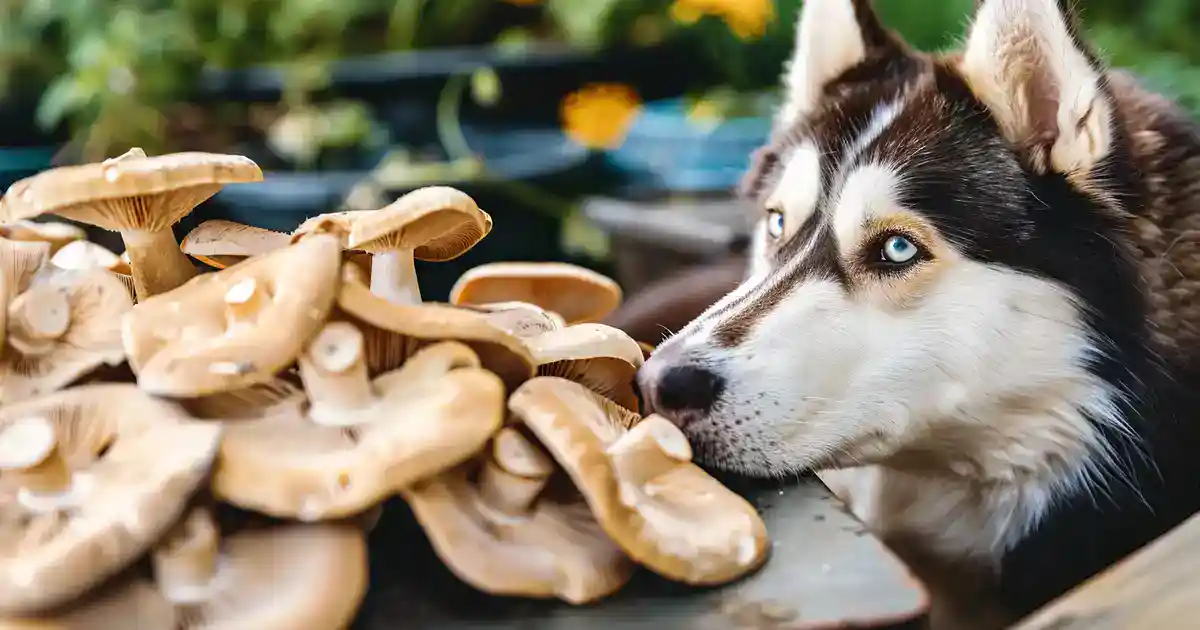
Can Dogs Eat Mushrooms? Here’s What I Learned the Hard Way
Have you ever been preparing dinner with mushrooms and wondered if it’s safe to share a piece with your curious pup watching from beside you? I’ll be honest—I used to think all mushrooms were basically the same until a terrifying experience with my border collie Rex taught me the critical differences between safe store-bought varieties and potentially deadly wild mushrooms. Now my friends constantly ask me about mushroom safety for dogs, and my family (who used to worry I was being overly cautious) finally understands why I’m so careful about what falls on the kitchen floor during meal prep. Trust me, if you’re wondering whether dogs can eat mushrooms safely, this guide will give you all the facts you need to protect your furry friend while understanding which varieties are actually okay in small amounts.
Here’s the Thing About Dogs and Mushrooms
Here’s the magic behind understanding mushroom safety—the difference between safe store-bought mushrooms and toxic wild varieties can literally be life or death for your dog. What makes this topic so critical is that dogs can’t distinguish between harmless button mushrooms and deadly species that grow in your backyard. I never knew that something as common as wild mushrooms could be this dangerous until my vet explained the mycology behind how certain mushroom compounds affect canine neurological and digestive systems. This knowledge is honestly life-changing for any dog owner because it helps you make informed decisions about both intentional treats and accidental ingestion during walks. No complicated identification needed—just understanding which store varieties are safe and why wild mushrooms should always be avoided makes all the difference in keeping your dog healthy.
What You Need to Know – Let’s Break It Down
Understanding mushroom toxicity is absolutely crucial for every dog owner, and I finally figured out the key safety principles after consulting with veterinary toxicologists about emergency cases. Store-bought mushrooms like button, cremini, and portobello are generally safe for dogs in small amounts when cooked plain, but wild mushrooms can contain compounds that cause everything from mild stomach upset to organ failure (took me forever to realize this wasn’t just about avoiding “obviously poisonous” varieties).
Don’t skip learning about the “15-minute rule” for mushroom poisoning—symptoms from toxic wild mushrooms can appear within 15 minutes to 6 hours, and early intervention is critical. Plain, cooked store mushrooms work safely in tiny amounts, but you’ll need to remember that dogs don’t actually need mushrooms nutritionally, so there’s no real benefit to justify any risk.
I always recommend complete avoidance of wild mushrooms because everyone sees better results when they eliminate guesswork from pet safety. Yes, some store-bought varieties are technically safe, but here’s why many experts suggest avoiding them entirely—the nutritional benefits don’t outweigh the risk of confusion or accidental wild mushroom exposure.
If you’re just starting out with safe dog treats, check out my complete guide to dog-safe vegetables for foundational knowledge about which foods provide actual nutritional benefits without safety concerns.
The Science and Psychology Behind Why This Matters
Research shows that over 5,000 species of mushrooms grow in North America, and many toxic varieties closely resemble harmless ones. Studies confirm that dogs are naturally curious foragers who investigate interesting smells and textures during walks, making accidental wild mushroom ingestion a real concern. What traditional pet safety advice often misses is understanding that dogs can’t learn to avoid dangerous mushrooms the way they might learn to avoid other hazards.
Experts agree that prevention is the only reliable strategy when it comes to mushroom toxicity, because even experienced mycologists can struggle to identify certain species correctly. The psychology behind this is concerning—dogs don’t have the cognitive ability to distinguish “safe” from “dangerous” based on appearance, and their natural scavenging instincts can override training in exciting outdoor environments.
Research from veterinary emergency clinics demonstrates that mushroom poisoning cases spike during rainy seasons when wild varieties proliferate, and that quick identification and treatment significantly improve survival rates in serious poisoning cases.
Here’s How to Actually Keep Your Dog Safe Around Mushrooms
Start by establishing a strict “no wild mushrooms ever” policy for your household and anyone who walks your dog. Here’s where I used to mess up: I thought teaching Rex to “leave it” was enough protection during hikes, but dogs can grab and swallow things faster than you can react.
Don’t be me—I used to think that cooking wild mushrooms would make them safe, but heat doesn’t break down most mushroom toxins. Now for the important part: create mushroom awareness during every outdoor activity by scanning areas where your dog will be exploring and removing any visible mushrooms before letting them loose.
Here’s my secret for kitchen safety—if you’re preparing store-bought mushrooms, keep all scraps and pieces contained and clean up immediately. When it clicks, you’ll know you’ve created a routine that eliminates accidental ingestion opportunities.
This step takes just a minute but creates lasting protection: teach everyone in your family to identify common yard mushrooms and remove them promptly after rain or during mushroom season. Results can vary by region, but most areas see increased wild mushroom growth in fall and spring.
My emergency vet taught me this trick—keep a sample of any mushroom your dog might have eaten (wrap it in damp paper towel) and head to the vet immediately rather than waiting for symptoms. Every poisoning case has its own timeline, but quick professional identification can mean the difference between simple treatment and organ damage.
Don’t worry if you’re just starting out with mushroom awareness. This creates lasting habits you’ll actually stick with once you understand that prevention is just like removing other yard hazards but with potentially more serious consequences if missed.
Common Mistakes (And How I Made Them All)
Let me tell you about my biggest mushroom mistake with Rex. I used to let him explore freely in wooded areas without checking for mushrooms first, thinking his training would keep him safe. Wrong! Dogs’ natural curiosity and fast eating habits make “leave it” commands unreliable when you’re not watching constantly.
Don’t make my mistake of assuming that store-bought mushrooms are automatically healthy for dogs. Even safe varieties can cause digestive upset, and there’s no nutritional reason dogs need mushrooms in their diet.
The biggest mindset mistake I made was thinking I could learn to identify “safe” wild mushrooms for my dog. Even experienced foragers make identification errors, and the stakes are too high when it comes to your pet’s life. Dogs can eat mushrooms in theory, but the practical risks far outweigh any potential benefits.
When Things Don’t Go as Planned
Feeling overwhelmed by mushroom identification and yard maintenance? That’s normal, and it happens to everyone who realizes how many wild mushrooms actually grow in typical suburban environments. You probably need a simple emergency plan that focuses on quick response rather than prevention perfection.
I’ve learned to handle suspected mushroom ingestion by immediately collecting a sample and heading to the emergency vet, even if Rex seems fine. When this happens (and hopefully it won’t), time is more critical than trying to determine if the mushroom was actually toxic.
Don’t stress about becoming a mushroom expert, just focus on rapid professional consultation and keep your vet’s emergency number easily accessible. This is totally manageable when you prioritize speed over identification. I always prepare for mushroom season by reviewing emergency protocols because quick action often determines the outcome in poisoning cases.
If you’re losing vigilance about yard inspection, try thinking of it as a 5-minute investment that could prevent a $5,000 emergency vet bill and potential loss of your beloved pet. When dogs eat wild mushrooms, the difference between immediate treatment and waiting often determines whether the outcome is a scary day or a tragedy.
Advanced Strategies for Next-Level Prevention
Taking mushroom safety to the next level means understanding seasonal patterns, regional risks, and comprehensive environmental management. Advanced pet owners often implement specialized yard maintenance and walking protocols that eliminate mushroom exposure opportunities entirely.
Here’s what separates beginners from expert pet parents: they understand that mushroom growth patterns change with weather, and they proactively manage their environment rather than relying on training alone. Advanced practitioners recognize that certain areas (wooded yards, park edges, areas with decaying organic matter) require extra vigilance and potentially restricted access during peak growing seasons.
I’ve discovered that regular yard inspection, seasonal mushroom removal services, and creating designated “safe zones” for dog exercise makes the biggest difference. For next-level results, consider working with a local mycologist to identify common toxic species in your area and developing location-specific safety protocols that account for regional mushroom varieties and growing patterns.
Ways to Make This Your Own
When I want to give Rex special treats during mushroom season, I use “Mushroom Season Alternatives” like small pieces of cooked sweet potato or carrot that provide similar earthy flavors without any risk. For special occasions, I’ll make “Safe Umami Treats” using dog-safe ingredients that satisfy his interest in complex flavors.
This makes treat time more thoughtful but definitely worth it because Rex gets interesting flavors without any safety concerns. My busy-season version focuses on commercial treats that are pre-approved and require no ingredient analysis—things like freeze-dried liver or small training treats I can grab quickly.
Sometimes I add a tiny bit of low-sodium broth to safe vegetables, though that’s totally optional. For next-level safety, I love creating “Advanced Flavor Profiles” using combinations of dog-safe herbs and vegetables that provide complexity without any mushroom-related risks.
Each variation works beautifully with different lifestyle needs—busy professionals can rely on pre-approved commercial alternatives, while families with yards can create seasonal safety routines that become part of regular home maintenance.
Why This Safety-First Approach Actually Works
Unlike casual “probably fine” approaches to pet safety, this comprehensive prevention strategy leverages proven veterinary toxicology to eliminate life-threatening risks entirely. What makes this different from other food safety topics is that mushroom toxicity can be fatal, and there’s no safe middle ground when it comes to wild varieties.
Evidence-based pet safety shows that absolute prevention works far better than risk management when dealing with potentially lethal substances. The practical benefits become obvious once you realize that avoiding all questionable mushrooms eliminates the need for species identification expertise while keeping your dog completely safe. This sustainable approach means you never have to gamble with your pet’s life or wonder if you’re making the right identification.
Real Success Stories (And What They Teach Us)
One of my neighbors discovered several toxic mushrooms growing under her deck after reading about mushroom safety, and she removed them just days before her new puppy was due to arrive. Her proactive approach prevented what could have been a tragic introduction to pet ownership.
Another success story involves a hiking group that started doing “mushroom sweeps” before letting their dogs off-leash in new areas. Over two years of hiking together, they’ve removed dozens of potentially dangerous mushrooms and never had a single poisoning incident.
Their success aligns with research on pet safety that shows consistent patterns—when owners implement comprehensive prevention strategies rather than relying on training or luck, they eliminate preventable tragedies and create genuinely safe environments for their pets.
Tools and Resources That Actually Help
My essential toolkit includes a small garden trowel for safely removing mushrooms from my yard, because handling wild mushrooms directly isn’t recommended even for removal. I also keep the Pet Poison Helpline number (855-764-7661) programmed into my phone, since mushroom identification often requires expert consultation.
A flashlight or phone light helps during evening potty breaks when mushrooms might not be immediately visible, and I honestly use this more than I expected during fall and spring months. For documentation, I keep plastic bags and disposable gloves in my car for collecting samples if needed during emergency situations.
The best resources come from authoritative veterinary toxicology centers and proven emergency protocols that provide evidence-based information about mushroom toxicity rather than general internet advice that might not account for regional species differences.
Questions People Always Ask Me
Can dogs eat store-bought mushrooms like button or portobello?
Technically yes, plain cooked mushrooms from the store are generally safe in very small amounts, but most people need to understand that there’s no nutritional benefit that justifies the risk of creating confusion about mushroom safety.
What should I do if my dog ate a wild mushroom?
Collect a sample of the mushroom if possible and get to your emergency vet immediately. I usually recommend not waiting for symptoms since some toxic varieties can cause rapid organ damage, and early intervention is crucial.
How can I tell if a mushroom in my yard is dangerous?
Don’t try to identify wild mushrooms yourself—remove all mushrooms from areas where your dog plays. Just focus on complete removal rather than species identification, since even experts can make dangerous mistakes.
What are the symptoms of mushroom poisoning in dogs?
Watch for vomiting, diarrhea, excessive drooling, difficulty breathing, seizures, or collapse. The most important thing to focus on first is getting professional help immediately rather than monitoring symptoms, since some mushroom toxins work very quickly.
How long after eating a mushroom will symptoms appear?
Symptoms can appear anywhere from 15 minutes to 12 hours depending on the species. How do I stay motivated to check my yard regularly for mushrooms? Remember that 5 minutes of prevention can prevent losing your beloved companion to a completely preventable tragedy.
What mistakes should I avoid if my dog eats mushrooms?
Don’t try to identify the mushroom species yourself, don’t wait to see if symptoms develop, and don’t attempt home remedies like inducing vomiting without veterinary guidance.
Can I train my dog to avoid mushrooms completely?
Training helps but isn’t foolproof—dogs’ natural scavenging instincts and quick eating habits make environmental management more reliable than training alone.
What if I accidentally drop mushrooms while cooking?
Clean up immediately and thoroughly—even safe store-bought varieties can cause digestive upset, and you don’t want to create habits around eating mushrooms off the floor.
Are some seasons worse for wild mushroom growth?
Yes, fall and spring typically see increased mushroom growth, especially after rain. What’s the difference between this approach and just avoiding all fungi? This focuses specifically on mushrooms that pose toxicity risks rather than broader fungal concerns.
How much does mushroom poisoning treatment typically cost?
Treatment can range from $500-5000 depending on severity and required interventions, including potential organ support and extended hospitalization.
Are dried or cooked wild mushrooms safer than fresh ones?
No, cooking and drying don’t eliminate mushroom toxins—toxic species remain dangerous regardless of preparation method.
How do I know if I’m being too paranoid about mushroom safety?
When it comes to potentially fatal toxins, “too careful” doesn’t exist—the stakes are your pet’s life, and absolute prevention is the only reliable strategy.
Before You Get Started
Ready to create a mushroom-safe environment for your furry friend? I couldn’t resist sharing this because it proves that simple awareness and prevention can eliminate one of the most dangerous yet avoidable pet hazards. The best mushroom safety happens when you combine environmental vigilance with quick emergency response protocols.
Start with a simple first step: walk through your yard and remove any visible mushrooms, then commit to regular inspection during mushroom growing seasons. Your dog’s safety is worth those few minutes of prevention.




