
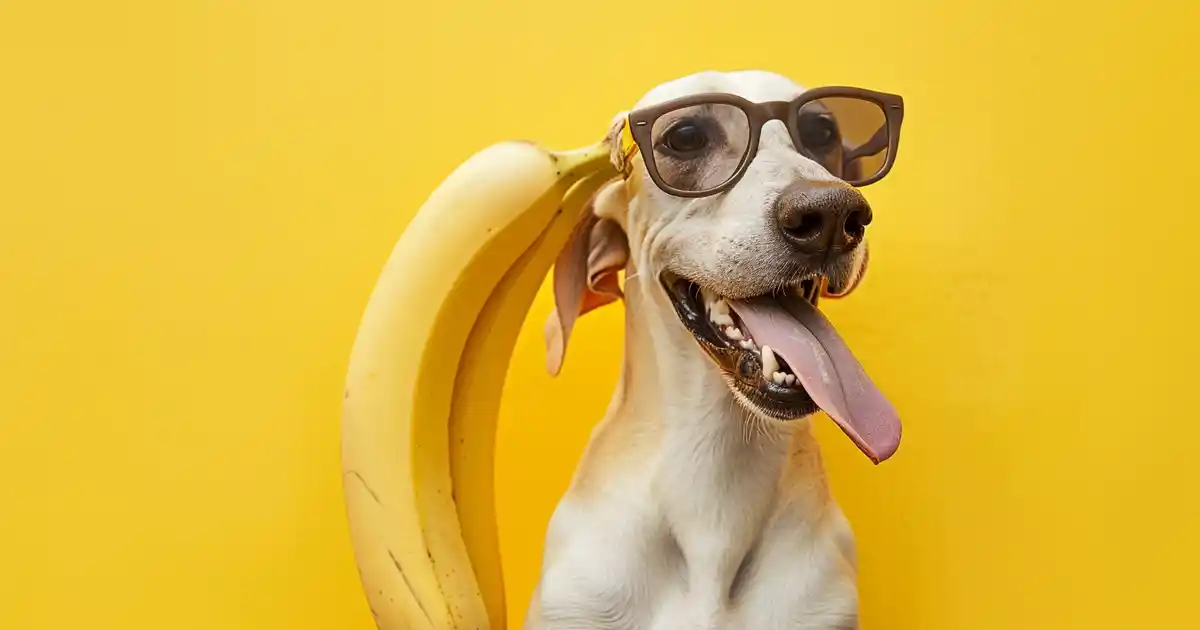
Are Bananas Good for Dogs? Here’s What My Vet Taught Me
Have you ever peeled a banana and caught your dog staring at you with those hopeful eyes, wondering if this yellow treat could be something special for them too? I’ll be honest—I used to think bananas were just empty calories until my veterinarian explained how they’re actually packed with nutrients that can benefit dogs in amazing ways. Now my friends constantly ask me about natural dog treats, and my family (who used to worry about giving “people food” to pets) finally understands why I’m so excited about bananas as a healthy snack option. Trust me, if you’re wondering whether bananas are good for dogs, this guide will show you why they’ve become my go-to training treat and how to serve them safely for maximum health benefits.
Here’s the Thing About Bananas and Dogs
Here’s the magic behind why bananas work so beautifully for dogs—they’re naturally packed with potassium, vitamin B6, vitamin C, and fiber while being completely safe and easy to digest. What makes this fruit so effective is the combination of natural sugars for energy and essential nutrients that support heart health, muscle function, and immune system strength. I never knew that something as simple as a banana could be this beneficial until my vet explained the nutritional biochemistry behind how dogs process these specific vitamins and minerals. This discovery is honestly life-changing for any dog owner because it gives you a natural, affordable treat that provides genuine health benefits instead of empty calories. No complicated preparation needed—just understanding proper portion sizes and serving methods makes all the difference in creating a nutritious, tail-wagging snack.
What You Need to Know – Let’s Break It Down
Understanding banana nutrition is absolutely crucial for dog owners who want to provide healthy, natural treats, and I finally figured out the key benefits after researching canine dietary requirements extensively. Bananas contain about 358mg of potassium per medium fruit, which supports proper muscle and heart function in dogs (took me forever to realize this was like a natural supplement for cardiovascular health). The vitamin B6 content helps with brain development and function, while the natural fiber aids digestion and can help with both constipation and loose stools.
Don’t skip learning about proper serving sizes because bananas work beautifully as treats, but you’ll need to remember that they’re higher in natural sugars than some other fruits. The key is moderation—small pieces provide all the benefits without overwhelming your dog’s digestive system. I always recommend starting with tiny portions because everyone sees better results when they introduce new foods gradually.
Yes, bananas really work as healthy dog treats, and here’s why—they’re naturally low in sodium and cholesterol-free, plus they contain antioxidants that help fight inflammation and support overall wellness. If you’re just starting out with natural dog nutrition, check out my complete guide to nutritious dog treats for foundational knowledge about which whole foods provide the best nutritional value for your pet.
The Science and Psychology Behind Why This Works
Research shows that dogs benefit significantly from the potassium and vitamin B6 found in bananas, especially active dogs who need support for muscle recovery and energy metabolism. Studies confirm that the natural sugars in bananas provide quick energy without the artificial additives found in many commercial treats. What traditional processed treats often miss is providing sustained nutrition that supports long-term health rather than just immediate satisfaction.
Experts agree that whole food treats like bananas can be excellent additions to a balanced diet when portioned appropriately. The psychology behind this is fascinating—dogs naturally enjoy sweet flavors, and bananas satisfy that preference while delivering actual nutritional benefits instead of empty calories or artificial sweeteners that can be harmful.
Research from veterinary nutritionists demonstrates that incorporating appropriate fresh foods into a dog’s diet can improve energy levels, support immune function, and contribute to better overall health when combined with high-quality regular meals.
Here’s How to Actually Serve Bananas Safely
Start by choosing ripe but not overripe bananas—they should be yellow with just a few brown spots for optimal digestibility. Here’s where I used to mess up: I thought dogs could handle whole bananas like humans do, but large pieces can be choking hazards and too much at once can cause digestive upset.
Don’t be me—I used to give my golden retriever Bella huge banana chunks because I figured “natural meant unlimited.” Now for the important part: always remove the peel completely (it’s not toxic but very hard to digest) and cut the banana into appropriate bite-sized pieces for your dog’s size.
Here’s my secret for perfect banana treats—mash small amounts into their regular food, freeze pieces in ice cube trays for summer treats, or use tiny pieces as high-value training rewards. When it clicks, you’ll know you’ve found the right serving method because your dog gets excited without any digestive issues.
This step takes just a minute but creates lasting benefits: start with one or two small pieces per day and watch how your individual dog responds. Results can vary, but most dogs show improved energy and enthusiasm for healthy treats within a few days.
My trainer taught me this trick—use banana pieces as training rewards because the natural sweetness makes them irresistible, but the small size means you can give many rewards without overfeeding. Every dog has its own preferences, but the combination of taste and health benefits makes bananas incredibly versatile.
Don’t worry if you’re just starting out with natural treat options. This creates lasting habits you’ll actually stick with once you see how much your dog enjoys healthy snacks just like providing nutritious vegetables but with natural sweetness that feels like a special reward.
Common Mistakes (And How I Made Them All)
Let me tell you about my biggest banana mistake with Bella. I used to give her half a banana at once because I thought “healthy meant unlimited portions.” Wrong! Too much banana caused loose stools and made her feel uncomfortable for a day because I didn’t respect the natural sugar content.
Don’t make my mistake of leaving the peel accessible because I thought it was just “extra fiber.” Banana peels can cause intestinal blockage and are much harder for dogs to digest than the fruit itself, even though they’re not technically toxic.
The biggest mindset mistake I made was thinking that natural treats don’t need portion control just like regular food. Dogs can eat bananas safely, but like any treat, they should make up no more than 10% of daily caloric intake to maintain proper nutritional balance and prevent weight gain.
When Things Don’t Go as Planned
Feeling overwhelmed by figuring out proper treat portions and timing? That’s normal, and it happens to everyone who’s transitioning to more natural dog care approaches. You probably need a simple system that you can follow consistently without calculating every calorie.
I’ve learned to handle any digestive sensitivity by starting with tiny pieces (literally the size of my pinky nail) and gradually increasing based on my dog’s individual response. When this happens (and minor adjustments are completely normal), just reduce the portion size until you find what works perfectly for your specific dog.
Don’t stress about getting portions exactly right immediately, just focus on starting small and observing your dog’s energy and bathroom habits. This is totally manageable when you pay attention to individual responses rather than following rigid rules. I always prepare for different tolerance levels because some dogs have more sensitive digestive systems than others.
If you’re losing motivation to prepare fresh treats, try thinking of banana prep as a bonding activity—most dogs love watching you prepare their special snacks, and the anticipation makes the reward even more exciting. When dogs eat bananas regularly in appropriate portions, many owners notice improved coat shine, better energy levels, and more enthusiasm for training sessions.
Advanced Strategies for Next-Level Nutrition
Taking your dog’s nutrition to the next level means understanding how to maximize banana benefits through creative preparation and strategic timing. Advanced pet owners often implement specialized serving methods that enhance both nutrition absorption and behavioral benefits.
Here’s what separates beginners from expert pet parents: they understand that timing matters—bananas work beautifully as pre-exercise energy boosts or post-training rewards that provide both satisfaction and recovery nutrients. Advanced practitioners recognize that combining bananas with other dog-safe foods creates more complete nutritional profiles while keeping treats interesting.
I’ve discovered that making frozen banana treats, mixing small amounts with regular meals for picky eaters, and using banana pieces in puzzle toys for mental stimulation makes the biggest difference. For next-level results, consider combining bananas with plain yogurt (if your dog tolerates dairy), mixing with peanut butter (xylitol-free) for special occasions, or creating banana-based training reward systems that support both nutrition and behavior goals.
Ways to Make This Your Own
When I want to give Bella special cooling treats during summer, I use “Frozen Banana Bites” by slicing bananas and freezing them on parchment paper before storing in containers. For special occasions, I’ll make “Power Training Rewards” by mixing tiny banana pieces with her favorite protein for high-value training sessions.
This makes treat time more thoughtful but definitely worth it because Bella gets sustained energy plus nutritional benefits that support her active lifestyle. My busy-season version focuses on simple prep—slicing bananas once a week and storing portions in the freezer for daily use without daily preparation time.
Sometimes I add a tiny bit of plain peanut butter to banana pieces, though that’s totally optional and only for special training sessions. For next-level results, I love making “Advanced Energy Smoothies” with banana, plain yogurt, and a little water, then freezing the mixture in Kong toys for extended mental stimulation.
Each variation works beautifully with different lifestyle needs—busy professionals can prep banana treats in advance and store them frozen, while families with active dogs can create fun training games that incorporate nutritious rewards into daily exercise routines.
Why This Natural Approach Actually Works
Unlike commercial treats loaded with preservatives, artificial flavors, and empty fillers, this whole food approach leverages proven nutritional science to provide genuine health benefits. What makes bananas different is their unique combination of quick-energy natural sugars and essential nutrients that work together to support both immediate satisfaction and long-term wellness.
Evidence-based pet nutrition shows that incorporating appropriate whole foods creates sustainable health habits that benefit dogs throughout their lives. The practical benefits become obvious once you realize that bananas provide energy, nutrients, and training motivation while costing significantly less than premium commercial treats. This sustainable approach means you’re giving your dog something that tastes amazing but functions like a nutritional supplement.
Real Success Stories (And What They Teach Us)
One of my neighbors started using banana pieces as training rewards for her rescue dog who had been difficult to motivate with traditional treats. Within weeks, the high-value reward system helped them master basic commands, and the dog’s energy levels and coat condition noticeably improved.
Another success story involves a family with a senior dog who had lost interest in eating. Adding small amounts of mashed banana to his regular meals rekindled his enthusiasm for food and provided gentle nutrition that supported his aging digestive system without causing upset.
Their success aligns with research on canine nutrition that shows consistent patterns—when owners replace processed treats with nutrient-dense whole foods in appropriate portions, they see improvements in energy, behavior, coat quality, and overall enthusiasm that extend far beyond just the immediate treat experience.
Tools and Resources That Actually Help
My essential toolkit includes a banana slicer that creates perfectly uniform pieces, especially helpful for maintaining consistent portion sizes across different training sessions. I also keep silicone ice cube trays specifically for making frozen banana treats in portions that match my dog’s size.
A food scale helps ensure I’m staying within appropriate treat percentages of daily calories, and I honestly use this more than I expected when I’m trying new treat combinations. For storage, I use freezer-safe containers that keep pre-cut banana pieces fresh for several weeks.
The best resources come from authoritative veterinary nutrition organizations and proven research that provide evidence-based guidelines about incorporating fresh foods into canine diets rather than relying on generic pet advice that doesn’t consider individual nutritional needs or life stages.
Questions People Always Ask Me
How much banana can I give my dog daily?
Start with one or two small pieces and adjust based on your dog’s size and response. Most people need to understand that for a 50-pound dog, about 2-3 small pieces daily is appropriate—treats should never exceed 10% of total daily calories.
Can puppies eat bananas?
Yes, puppies can eat tiny banana pieces once they’re eating solid food, usually around 8-12 weeks old. I usually recommend starting with pieces the size of a pea and watching for any digestive changes before gradually increasing.
Are bananas good for older dogs?
Bananas can be excellent for senior dogs because they’re easy to chew and digest while providing potassium that supports heart and muscle function. Just focus on smaller portions since older dogs often need fewer calories overall.
What should I do if my dog ate a whole banana?
Monitor for digestive upset like loose stools or vomiting, but a single whole banana usually isn’t dangerous for medium to large dogs. The most important thing to focus on first is ensuring plenty of fresh water and watching bathroom habits for 24-48 hours.
Can I give my dog banana peels?
No, banana peels are very difficult for dogs to digest and can cause intestinal blockage. How do I stay motivated to prepare fresh treats when store-bought ones are easier? Remember that 30 seconds of banana slicing provides better nutrition and costs less than premium commercial treats.
What are the signs my dog has eaten too much banana?
Watch for loose stools, excessive gas, stomach discomfort, or unusual lethargy. What mistakes should I avoid when serving bananas? Don’t assume that “healthy” means unlimited—portion control matters even with nutritious treats.
Can I combine bananas with other fruits for my dog?
Absolutely! Dogs can eat bananas combined with other safe fruits like blueberries, apple pieces (no seeds), or small amounts of watermelon. Just introduce combinations gradually to monitor individual tolerance.
What if my dog doesn’t seem interested in bananas?
Try different preparations—some dogs prefer frozen pieces, others like them mashed with their regular food, and some respond better to banana mixed with a tiny bit of peanut butter.
What’s the difference between ripe and overripe bananas for dogs?
Ripe bananas (yellow with few brown spots) are easiest to digest, while overripe bananas have higher sugar content that might cause digestive upset. How much does feeding fresh fruits typically cost compared to commercial treats?
Fresh bananas often cost significantly less per serving than premium commercial treats while providing superior nutritional value and no artificial additives.
How long can I store prepared banana treats?
Cut banana pieces stay fresh in the refrigerator for 2-3 days or can be frozen for several weeks in airtight containers.
How do I know if bananas are helping my dog’s health?
You’ll notice sustained energy during activities, shinier coat, better training focus, and general enthusiasm for healthy treats. Many owners also report improved digestion and more consistent bathroom habits with regular inclusion of appropriate fresh foods.
Before You Get Started
Ready to give your dog a delicious, nutritious treat that supports their health and happiness? I couldn’t resist sharing this because it proves that some of the best dog treats are hiding in your fruit bowl right now. The best banana treats happen when you combine proper preparation with understanding your individual dog’s needs and preferences.
Start with a simple first step: slice up a small banana and offer your dog a tiny piece to see how they respond. Your pup will thank you with enthusiastic tail wags and the sustained energy that comes from genuine nutrition.




