
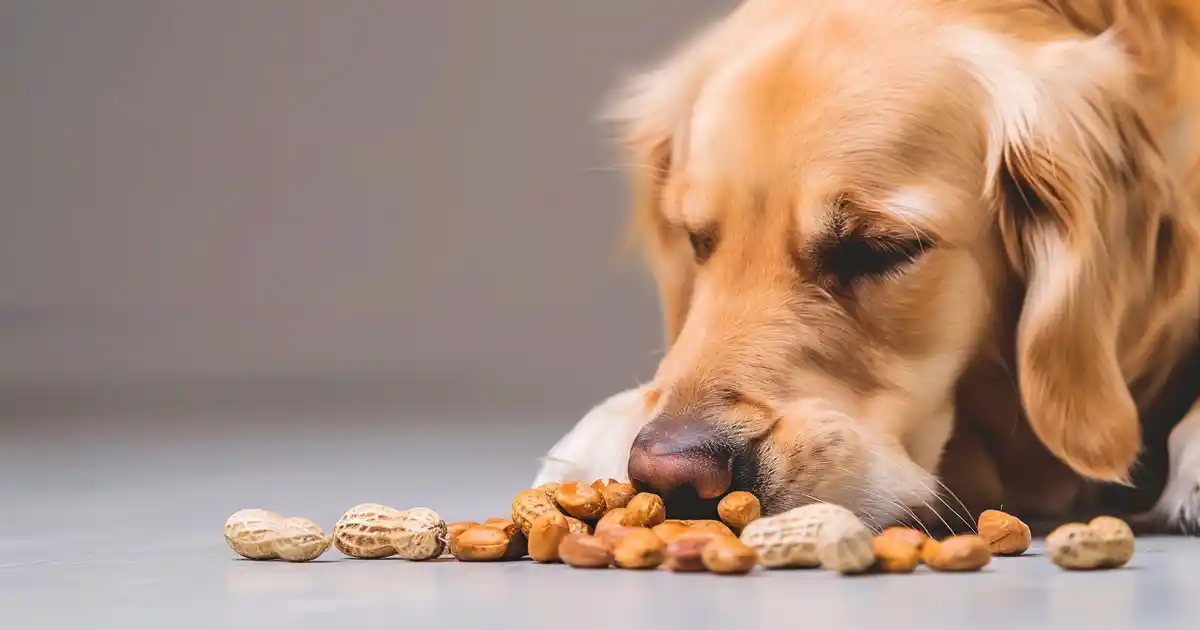
Have you ever been snacking on peanuts and wondered if you could safely share a few with your dog who’s giving you those hopeful puppy eyes? I’ll be honest—I used to think all nuts were equally dangerous for dogs until my veterinarian explained that plain, unsalted peanuts are actually one of the safer nut options, though they still come with important considerations that every pet owner needs to understand. Now my friends constantly ask me about nut safety for pets, and my family (who used to worry about every human food) finally understands why I’m cautious but not completely restrictive when it comes to peanuts for our golden retriever Sadie. Trust me, if you’re wondering whether dogs can eat peanuts safely, this guide will give you all the facts you need to make informed decisions about portion sizes, preparation methods, and when peanuts might actually be beneficial versus when they should be avoided entirely.
Here’s the Thing About Dogs and Peanuts
Here’s the magic behind understanding peanut safety for dogs—while plain, unsalted peanuts can provide protein and healthy fats in very small amounts, they also pose risks including choking hazards, high calorie content, and potential allergic reactions that require careful consideration. What makes this topic so important is that dogs process fats and proteins differently than humans, and peanuts are calorie-dense foods that can quickly contribute to weight gain if not carefully portioned. I never knew that something as common as peanuts required such specific guidelines until my vet explained the legume nutrition science behind how dogs metabolize these concentrated nutrients differently than we do. This knowledge is honestly life-changing for any dog owner because it helps you understand when small amounts might be beneficial and when complete avoidance is the safer choice. No complicated rules needed—just understanding proper preparation, appropriate portions, and individual risk factors makes all the difference between a safe occasional treat and potential health problems.
What You Need to Know – Let’s Break It Down
Understanding peanut safety is absolutely crucial for every dog owner, and I finally figured out the key considerations after consulting with veterinary nutritionists about appropriate treat guidelines. Plain, unsalted peanuts contain about 14 grams of fat per ounce, which is significantly high for dogs and can contribute to pancreatitis in sensitive pets, plus about 161 calories per ounce that can quickly lead to weight gain (took me forever to realize this was more calorie-dense than most commercial dog treats). The protein content can be beneficial in tiny amounts, but the fat concentration makes portion control absolutely critical.
Don’t skip learning about preparation requirements because salted, seasoned, or flavored peanuts work dangerously due to sodium content and potentially toxic seasonings like garlic or onion powder. Only plain, unsalted peanuts should ever be considered for dogs, and even then, only in very small quantities. I always recommend checking with your veterinarian first because everyone sees better results when they consider individual health factors before introducing high-fat foods.
Yes, some dogs can handle tiny amounts of plain peanuts safely, but here’s why many experts suggest avoiding them entirely—the risks often outweigh the minimal nutritional benefits, especially when so many safer alternatives exist. If you’re just starting out with nut safety for dogs, check out my complete guide to safe vs. dangerous nuts for foundational knowledge about which nuts are completely off-limits and which require extreme caution.
The Science and Psychology Behind Why This Matters
Research shows that dogs are much more susceptible to pancreatitis from high-fat foods than humans, making the concentrated fat content in peanuts a significant concern even in small amounts. Studies confirm that some dogs can develop severe allergic reactions to peanuts, though this is less common than in humans. What traditional “everything in moderation” advice often misses is that dogs’ caloric needs are much smaller than ours, so even tiny amounts of high-calorie foods like peanuts can significantly impact their daily nutrition.
Experts agree that the potential benefits of peanuts (protein, some vitamins) can be obtained more safely from dog-specific foods without the associated risks. The psychology behind this is important—dogs don’t need variety in their treats the way humans think they do, and their health is better served by consistent, appropriate nutrition rather than sharing human foods that may pose risks.
Research from veterinary nutritionists demonstrates that dogs who regularly receive high-fat treats like peanuts show increased risk of obesity, pancreatitis, and digestive upset compared to dogs fed appropriate, species-specific treats designed for canine nutritional needs.
Here’s How to Actually Approach Peanuts Safely (If at All)
Start by consulting with your veterinarian about whether your individual dog is a good candidate for any peanut treats, considering their weight, age, activity level, and health history. Here’s where I used to mess up: I thought “just a few” was automatically safe for any healthy dog, but individual risk factors make some dogs much more susceptible to problems than others.
Don’t be me—I used to give Sadie salted peanuts occasionally because I didn’t realize how much sodium was problematic for dogs. Now for the important part: if your vet approves tiny amounts for your specific dog, only use plain, unsalted peanuts and limit portions to no more than one or two peanuts per day for large dogs, less for smaller dogs.
Here’s my secret for peanut safety—I actually don’t give peanuts to Sadie anymore because I found much safer alternatives that provide similar satisfaction without the risks. When it clicks, you’ll realize that the potential problems simply aren’t worth it when so many better options exist.
This step takes just a moment but creates lasting safety: always crush or chop peanuts into small pieces to prevent choking, and never give whole peanuts to dogs under 25 pounds. Results can vary dramatically, but most veterinarians recommend avoiding peanuts entirely rather than trying to manage the risks.
My current vet taught me this perspective—instead of asking “can my dog have peanuts,” ask “why would my dog need peanuts when safer alternatives exist.” Every dog deserves treats, but those treats should support their health rather than create potential complications.
Don’t worry if you decide to avoid peanuts entirely. This creates lasting peace of mind once you understand that your dog can be perfectly happy and healthy without ever eating peanuts, and there are so many safer options available.
Common Mistakes (And How I Made Them All)
Let me tell you about my biggest peanut mistake with Sadie. I used to give her a small handful of salted peanuts during movie nights because I thought “sharing was caring,” but the sodium content was completely inappropriate for her size and the fat content contributed to weight gain I didn’t initially connect to treat choices.
Don’t make my mistake of assuming that peanuts labeled “natural” or “organic” are automatically safe for dogs. Even the healthiest peanuts for humans are still high-fat, high-calorie foods that can cause problems for dogs in quantities that seem small to us.
The biggest mindset mistake I made was thinking that healthy human foods automatically translate to healthy dog foods. Dogs can eat some peanuts in theory, but their nutritional needs and digestive capabilities are so different from ours that foods beneficial to humans can be problematic for pets even when they’re not technically toxic.
When Things Don’t Go as Planned
Feeling overwhelmed by conflicting information about peanuts and dogs? That’s normal, and it happens to everyone who tries to research this topic online and finds vastly different opinions. You probably need a simple decision-making framework rather than trying to navigate all the conflicting advice about appropriate portions.
I’ve learned to handle peanut-related questions by focusing on individual risk assessment rather than general rules, working with my vet to understand Sadie’s specific health profile and risk factors. When this decision-making process clicked for me, I realized that avoiding peanuts entirely was actually the simpler, safer choice for our family.
Don’t stress about whether you’re being “too cautious” about peanuts, just focus on providing treats that you know are completely safe and appropriate for your dog’s size and health status. This is totally manageable when you shift from “what can my dog have” to “what should my dog have for optimal health.” I always prepare alternative treats because dogs care more about attention and interaction than specific food flavors.
If you’re losing clarity about treat safety, try thinking about it from a risk-benefit perspective—peanuts provide minimal unique benefits while carrying several potential risks, making them an easy food to simply avoid. When dogs receive appropriate, species-specific treats instead of human foods like peanuts, most owners notice better weight management, more predictable digestion, and fewer concerns about accidental overfeeding.
Advanced Strategies for Next-Level Pet Nutrition
Taking treat safety to the next level means understanding how to evaluate any human food based on caloric density, nutritional necessity, and individual risk factors rather than making decisions food by food. Advanced pet owners often implement comprehensive treat policies that prioritize foods specifically designed for canine nutrition over human foods that happen to be “safe.”
Here’s what separates beginners from expert pet parents: they understand that asking “can my dog eat this” is less important than asking “should my dog eat this for optimal health.” Advanced practitioners recognize that dogs thrive on consistency and appropriate nutrition rather than variety and novelty in their treats.
I’ve discovered that focusing on high-quality, species-appropriate treats, understanding caloric impact of all treats, and maintaining consistent feeding routines makes the biggest difference. For next-level results, consider working with a veterinary nutritionist to develop treat guidelines based on your dog’s specific needs, life stage, and health goals rather than trying to adapt human foods that may not provide optimal nutrition.
Ways to Make This Your Own
When I want to give Sadie special protein-rich treats, I use “Peanut Alternatives” like small pieces of plain cooked chicken or freeze-dried liver that provide similar satisfaction without any of the risks associated with nuts. For special occasions, I’ll make “Safe Crunchy Treats” using dog-specific ingredients that satisfy her desire for textured snacks.
This makes treat time more health-focused but definitely worth it because Sadie gets excellent nutrition plus satisfaction without any of the concerns about fat content, allergies, or choking hazards. My busy-day version focuses on commercial treats that are pre-approved by veterinarians and require no preparation or risk assessment.
Sometimes I use small training treats that provide protein and crunch, though I always check labels for appropriate ingredients. For next-level nutrition, I love working with “Advanced Species-Specific Treats” that are formulated specifically for dogs’ nutritional needs rather than adapting human foods that may not be optimal.
Each approach works beautifully with different lifestyle needs—busy professionals can rely on high-quality commercial treats that eliminate guesswork, while families focused on natural nutrition can prepare fresh alternatives that provide similar benefits without the risks associated with human foods like peanuts.
Why This Safety-First Approach Actually Works
Unlike casual “probably fine in small amounts” approaches to human foods for dogs, this comprehensive evaluation strategy leverages proven veterinary nutrition science to prioritize optimal health over convenience or novelty. What makes this different from other treat topics is that peanuts provide no unique nutritional benefits that can’t be obtained more safely from dog-specific foods.
Evidence-based pet nutrition shows that dogs fed consistent, species-appropriate diets show better long-term health outcomes than dogs who regularly receive human foods, even “safe” ones like small amounts of peanuts. The practical benefits become obvious once you realize that avoiding questionable foods eliminates multiple potential health complications while ensuring your dog receives optimal nutrition designed for their specific needs.
This sustainable approach means you never have to worry about portion calculations, individual sensitivities, or whether you’re contributing to weight gain or other health problems through treat choices.
Real Success Stories (And What They Teach Us)
One of my neighbors decided to eliminate all nuts, including peanuts, from her dog’s diet after learning about potential risks, and she noticed improved weight management and more predictable energy levels within a few months. Her overweight lab mix lost the recommended pounds more easily without the extra calories from high-fat treats.
Another success story involves a family that switched from sharing human snacks like peanuts to using species-specific training treats, and they saw dramatic improvement in their dog’s training responsiveness because the treats were designed to be motivating without being overly rich or filling.
Their success aligns with research on canine nutrition that shows consistent patterns—when owners prioritize dog-specific nutrition over human food sharing, they see improvements in weight management, digestive health, training effectiveness, and overall long-term wellness that extend far beyond just avoiding potential problems with specific foods.
Tools and Resources That Actually Help
My essential toolkit includes a kitchen scale for accurately measuring any treats I do give, because understanding caloric impact is crucial when dogs’ daily needs are much smaller than ours. I also keep a list of my vet’s approved treat recommendations posted in the kitchen to avoid impulse decisions about food sharing.
High-quality, species-specific treats eliminate the guesswork about appropriate ingredients and portions, and I honestly find these much more convenient than trying to evaluate human foods for safety. For training situations, I keep small, low-calorie training treats that provide motivation without significant caloric impact.
The best resources come from authoritative veterinary nutrition organizations and proven research that provide evidence-based guidelines about optimal canine nutrition rather than generic advice about which human foods are technically “safe” without considering whether they’re actually beneficial.
Questions People Always Ask Me
Can dogs eat peanuts in small amounts?
Some dogs can tolerate very small amounts of plain, unsalted peanuts, but most people need to understand that the risks often outweigh any benefits, especially when safer alternatives exist that provide better nutrition.
What should I do if my dog ate salted peanuts?
Monitor for excessive thirst, vomiting, or diarrhea from the sodium content, and contact your vet if symptoms develop. I usually recommend calling for guidance about the amount consumed and your dog’s size to determine if intervention is needed.
Are peanuts better than other nuts for dogs?
Peanuts are less toxic than many tree nuts, but they’re still high in fat and calories that can cause problems. Just focus on whether your dog actually needs nuts at all rather than comparing which nuts are “less problematic.”
How many peanuts can I give my dog?
If your vet approves peanuts for your specific dog, typically no more than 1-2 plain, unsalted peanuts for large dogs, less for smaller dogs. The most important thing to focus on first is whether peanuts are appropriate for your individual dog’s health profile.
Can puppies eat peanuts?
Puppies have even smaller caloric needs and more sensitive digestive systems, making peanuts generally inappropriate. How do I stay motivated to avoid giving my dog peanuts when they seem to want them? Remember that dogs are motivated by attention and interaction more than specific foods, and safer alternatives can provide the same bonding experience.
What are signs of peanut allergies in dogs?
Watch for itching, swelling, vomiting, diarrhea, or difficulty breathing. What mistakes should I avoid with peanuts and dogs? Don’t assume that “natural” or “organic” makes them automatically safe, and don’t use salted or flavored varieties even in tiny amounts.
Can I use peanut butter instead of whole peanuts?
Peanut butter has similar concerns plus potential xylitol content that’s toxic to dogs—check labels carefully and use only dog-specific peanut butter products if you choose this option.
What if my dog doesn’t seem interested in peanuts?
That’s actually ideal—dogs who aren’t interested in human foods are easier to keep on appropriate diets. What’s the difference between this approach and just giving tiny amounts? This approach prioritizes optimal nutrition over human food sharing, focusing on what’s best for dogs rather than what’s technically “safe.”
Are roasted peanuts different from raw for dogs?
Both have the same high fat and calorie concerns, though roasted may be slightly harder to digest. How much do species-specific treats cost compared to sharing peanuts? High-quality dog treats often cost similar amounts per serving while providing better nutrition and eliminating safety concerns.
How long should I wait between giving peanut treats?
If your vet approves peanuts, they should be occasional treats at most—but consider whether your dog’s nutrition would be better served by treats designed specifically for canine health.
How do I know if peanuts are affecting my dog’s health?
Watch for weight gain, digestive changes, or decreased energy levels. Many owners find that eliminating high-fat human foods like peanuts leads to better weight management and more consistent energy.
Before You Get Started
Ready to make the best treat decisions for your furry friend’s long-term health and happiness? I couldn’t resist sharing this because it proves that the best pet care often involves prioritizing what’s optimal for our dogs over what’s merely “safe” or convenient for us. The best treat strategies happen when you combine individual risk assessment with understanding that dogs thrive on species-appropriate nutrition rather than human food variety.
Start with a simple first step: consult with your veterinarian about the best treat options for your specific dog’s age, size, and health status. Your pup will thank you with better long-term health and sustained energy that comes from optimal nutrition designed for their needs.




