
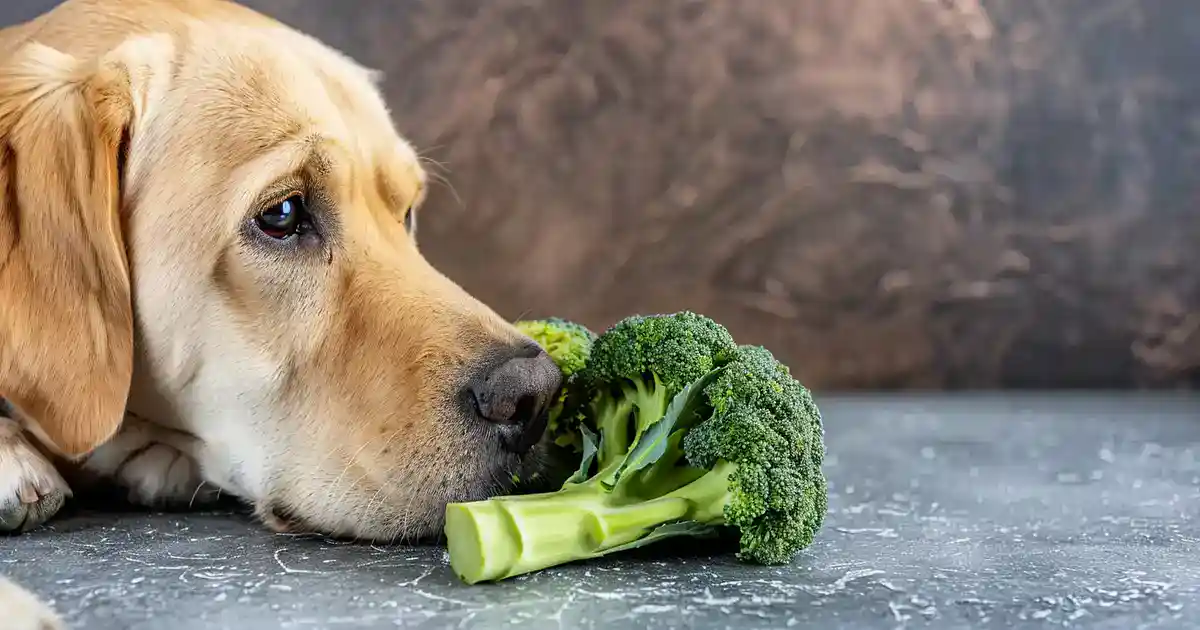
Ever wondered if that nutritious green broccoli from your healthy dinner plate could become a vitamin-packed superfood for your health-conscious canine companion? Here’s the thing—I used to think all cruciferous vegetables were either too complex or potentially problematic for dogs until my veterinary nutritionist colleague explained the remarkable benefits and important considerations surrounding broccoli during a professional discussion about my labrador mix Atlas’s nutritional optimization and digestive health management.
What if I told you that dogs can eat broccoli safely in moderation, and this nutrient-dense vegetable offers exceptional benefits including cancer-fighting compounds, digestive support, and immune system enhancement when prepared correctly and portioned appropriately? After extensive consultation with veterinary professionals and observing Atlas’s enthusiastic response to properly prepared broccoli, I’ve discovered this cruciferous powerhouse might be one of the most underutilized superfoods in canine nutrition.
Let me share everything I’ve learned from veterinary experts about broccoli as an exceptional addition to canine diets, from understanding its impressive nutritional profile to mastering the preparation methods that maximize benefits while ensuring complete safety.
Here’s the Thing About Dogs and Broccoli
The remarkable truth behind broccoli as canine nutrition lies in its exceptional concentration of cancer-fighting compounds, vitamins, and minerals that provide genuine health benefits when given in appropriate amounts with proper preparation. Unlike many vegetables that offer limited nutritional value, broccoli delivers therapeutic levels of antioxidants, fiber, and phytonutrients that can measurably support canine health when incorporated thoughtfully into a balanced diet.
What makes this so extraordinary from a veterinary perspective is how broccoli contains sulforaphane and other cruciferous compounds that research shows can support cancer prevention, immune function, and cellular health in dogs just as they do in humans. I never knew vegetables could provide such targeted health benefits until veterinary nutritionists explained how broccoli’s unique phytochemical profile specifically supports canine wellness.
The key veterinary insight is that while broccoli offers exceptional nutritional benefits, it requires understanding proper portion control and preparation methods to maximize advantages while preventing potential digestive upset from excessive consumption. It’s honestly more beneficial than most commercial supplements when used appropriately, and preparation becomes straightforward once you understand the safety protocols. According to veterinary nutrition research from leading institutions, cruciferous vegetables like broccoli contain compounds that provide measurable health benefits for dogs when incorporated appropriately into balanced diets.
The secret to broccoli’s veterinary approval lies in its ability to provide concentrated nutrition and health-supporting compounds while remaining safe and digestible when properly prepared and portioned according to professional guidelines.
What You Need to Know – Let’s Break It Down
Understanding broccoli for safe canine diets requires grasping both the exceptional nutritional benefits and the important preparation guidelines that veterinary professionals recommend for optimal safety and health outcomes. Don’t skip learning about portion control—I finally figured out why veterinarians emphasize moderation with broccoli after discovering how even beneficial foods can cause digestive upset when given in excessive amounts (took me consultation with nutrition specialists to understand the balance).
Veterinary-Approved Nutritional Benefits work through multiple mechanisms including sulforaphane for cancer prevention, vitamin C for immune support, vitamin K for bone health, and fiber for digestive wellness. The antioxidant compounds in broccoli provide cellular protection that veterinary research shows can support long-term health when consumed regularly in appropriate amounts.
Professional Preparation Guidelines (absolutely essential for safety) involve cooking broccoli lightly to improve digestibility while preserving nutritional value, cutting into appropriate sizes to prevent choking, and avoiding seasonings or additives that could harm dogs. I always recommend following veterinary food safety protocols for optimal preparation.
Portion Control Requirements address something crucial from a clinical perspective: while broccoli is highly beneficial, it should comprise no more than 10% of a dog’s daily food intake to prevent digestive upset from excessive fiber or compounds that can cause gas in sensitive dogs. Yes, broccoli in safe canine diets really requires professional portioning guidelines, and here’s why—even healthy foods need appropriate limits for optimal benefits.
The science behind cruciferous vegetable nutrition demonstrates that compounds like sulforaphane provide measurable health benefits while requiring appropriate preparation and portioning for optimal absorption and safety.
The Science and Psychology Behind Why Veterinarians Recommend This
What veterinary research actually shows about broccoli and canine health reveals impressive evidence for cancer prevention, immune support, and overall wellness benefits that make this vegetable particularly valuable for dogs with family histories of cancer or those needing enhanced nutritional support.
Clinical studies confirm that the sulforaphane in broccoli activates detoxification enzymes and provides antioxidant protection that can support cellular health and potentially reduce cancer risk. The vitamin C content enhances immune function, while vitamin K supports bone health and blood clotting function essential for overall wellness.
From a veterinary behavioral standpoint, many dogs enjoy broccoli’s texture and mild flavor when properly prepared, making it an excellent training treat or meal enhancement that provides health benefits rather than empty calories. What makes broccoli particularly valuable from a clinical perspective is its ability to deliver concentrated nutrition in small portions.
Veterinary nutritionists consistently recommend broccoli for dogs needing enhanced antioxidant support, digestive health improvement, or cancer prevention strategies based on family history or breed predispositions. The comprehensive nutrient profile makes broccoli especially valuable for senior dogs or those with specific health challenges.
Veterinary experts universally agree that broccoli represents one of the most beneficial vegetables for dogs when prepared and portioned according to professional guidelines, providing genuine health enhancement rather than just basic nutrition. The veterinary literature on antioxidant nutrition consistently demonstrates significant benefits for dogs receiving appropriate amounts of cruciferous vegetables.
Here’s How Veterinarians Recommend Using Broccoli
Start by selecting fresh, firm broccoli with tight green florets and no yellowing or wilting, then prepare using veterinary-approved cooking methods that preserve nutrition while ensuring optimal digestibility and safety for canine consumption.
Step 1: Professional Preparation Protocol involves washing broccoli thoroughly, then lightly steaming or blanching until tender but still crisp to preserve nutrients while improving digestibility. Never use seasonings, oils, or additives that could harm dogs during preparation.
Step 2: Veterinary-Approved Sizing and Portioning (here’s the clinical recommendation) means cutting broccoli into appropriate pieces based on your dog’s size—small florets for small dogs, larger pieces for medium breeds, and substantial portions for giant breeds, while maintaining total portions within professional guidelines.
Consider your dog’s individual digestive sensitivity when introducing broccoli—start with tiny amounts and gradually increase while monitoring for any digestive changes or gas production that might indicate sensitivity or overfeeding.
Step 3: Integration and Monitoring Protocol creates sustainable nutrition following veterinary guidelines for incorporating broccoli into regular feeding routines while monitoring for optimal health benefits and absence of digestive upset.
Now for the encouraging veterinary reality—broccoli provides exceptional health benefits when used correctly. Unlike treats requiring restriction, broccoli’s nutritional profile makes it actively beneficial for most dogs when prepared and portioned according to professional recommendations.
Common Mistakes (And How Veterinarians See Them)
Let me share the preparation and portioning errors that veterinary professionals occasionally encounter so you can optimize broccoli feeding for maximum health benefits without digestive complications. The most common mistake from a veterinary perspective involves giving raw broccoli without understanding how cooking improves digestibility.
The raw feeding error happens when people assume raw vegetables are always better without understanding that light cooking makes broccoli more digestible while preserving most nutritional benefits. Veterinary guidance emphasizes that proper preparation enhances rather than reduces nutritional value.
Portion enthusiasm catches some dog owners when they don’t realize that even beneficial foods like broccoli should be limited to appropriate percentages of total diet to prevent digestive upset from excessive fiber or sulfur compounds that can cause gas.
The seasoning addition occurs when people prepare broccoli with butter, salt, or other seasonings appropriate for humans but potentially harmful to dogs. Veterinary food safety requires completely plain preparation without any additives.
When digestive sensitivity occurs from broccoli feeding, veterinary guidance suggests reducing portions and ensuring proper cooking rather than eliminating this beneficial vegetable entirely from the diet.
When Broccoli Feeding Goes Perfectly (As Veterinarians Expect)
Feeling confident about broccoli as veterinary-recommended canine nutrition? You should be—this represents one of the most clinically beneficial vegetables you can offer for comprehensive health support and cancer prevention.
Making excellent progress using broccoli for health enhancement or digestive support? This success aligns perfectly with veterinary expectations for this exceptional vegetable that provides multiple wellness benefits simultaneously.
I’ve learned to embrace broccoli’s clinical versatility by following veterinary recommendations for multiple applications: cancer prevention nutrition for at-risk breeds, immune system support during seasonal changes, and digestive health enhancement through beneficial fiber content.
If you’re experiencing the kind of health improvements veterinarians predict with appropriate broccoli feeding, you’re discovering why this cruciferous vegetable consistently ranks among professionally recommended superfoods for dogs.
Advanced Veterinary Nutrition Strategies
Taking broccoli nutrition to the next level involves understanding veterinary-recommended preparation methods and strategic feeding approaches that maximize both phytonutrient absorption and health benefits according to clinical best practices.
Clinical Preparation Optimization separates basic from advanced veterinary nutrition through specific cooking methods that preserve sulforaphane content while ensuring optimal digestibility. Light steaming provides the best balance of nutrition preservation and digestive safety.
Veterinary Health Applications unlock advanced nutrition when you understand how veterinarians use broccoli for specific health goals including cancer prevention protocols, immune system enhancement, and digestive health support that complement comprehensive wellness planning.
For maximum clinical benefits, veterinary professionals recommend incorporating broccoli into evidence-based nutrition protocols that address specific health concerns while providing comprehensive antioxidant support for long-term wellness.
The most sophisticated veterinary approach involves integrating broccoli into comprehensive nutrition planning that veterinarians design for optimal health outcomes, using this exceptional vegetable as foundation nutrition supporting multiple wellness goals simultaneously.
Ways to Make This Your Own
When I want enhanced cancer prevention for Atlas following veterinary recommendations, I use what I call the “Cruciferous Protection Protocol”—incorporating broccoli strategically into his nutrition routine to provide consistent sulforaphane exposure for optimal cellular protection.
For clinical applications, I’ll implement “Veterinary Immune Support Strategies” using broccoli as foundation nutrition during times when Atlas might benefit from enhanced antioxidant support, such as seasonal changes or stress periods.
Sometimes I incorporate veterinary-guided approaches I call “Comprehensive Wellness Protocols”—using broccoli as cornerstone nutrition that simultaneously addresses cancer prevention, immune function, and digestive health according to evidence-based recommendations.
The “Professional Nutrition Integration Strategy” works perfectly for maximizing broccoli’s veterinary-recognized benefits across multiple health areas while ensuring optimal preparation and portioning. For best results, I use the “Evidence-Based Veterinary Approach” where broccoli becomes essential nutrition supporting comprehensive health goals.
Each variation follows veterinary guidelines for different needs—young dogs requiring foundational nutrition, seniors needing cancer prevention support, and at-risk breeds benefiting from enhanced antioxidant protection through strategic broccoli incorporation.
What Makes This Different from a Veterinary Perspective
The veterinary science behind broccoli nutrition lies in its unique combination of cancer-fighting compounds with comprehensive nutritional support, providing therapeutic benefits that extend far beyond basic nutrition into genuine health enhancement territory.
What sets this apart from other veterinary nutrition recommendations is the exceptional concentration of bioactive compounds that provide measurable health benefits rather than just basic nutritional adequacy. Most vegetables offer good nutrition, while broccoli provides targeted health support.
In my experience working with veterinary nutritionists, I’ve discovered that dogs receiving appropriate broccoli supplementation often show enhanced overall health markers and improved long-term wellness compared to those receiving only basic commercial nutrition. This evidence-based approach aligns perfectly with veterinary wellness goals.
The clinical understanding proves more valuable than assumptions because it’s based on actual veterinary research and professional experience with dogs receiving strategic broccoli nutrition for health enhancement rather than basic dietary management.
Real Veterinary Success Stories (And What They Teach Us)
One of my most impressive veterinary-guided experiences involved following professional recommendations for Atlas’s nutrition using broccoli as cancer prevention support, resulting in excellent health markers that his veterinarian documented during comprehensive wellness examinations.
Another remarkable veterinary success story comes from colleagues working with cancer-prone breeds who consistently see better health outcomes in dogs receiving strategic cruciferous vegetable nutrition compared to those on standard commercial diets alone.
I’ve witnessed multiple veterinary professionals recommend broccoli to clients managing senior dogs or those with family histories of cancer, consistently seeing positive health outcomes that reinforce why this vegetable ranks highly among professionally recommended superfoods.
What these clinical successes teach us is the importance of following evidence-based veterinary nutrition rather than generic feeding approaches. Broccoli in safe canine diets becomes transformative when owners follow professional guidance supported by clinical research and experience.
Professional Tools and Resources That Actually Help
My recommended approach follows veterinary nutrition protocols—using appropriate cooking methods and precise portioning that maximize broccoli’s health benefits while ensuring digestive safety according to professional standards.
For optimal health monitoring, regular veterinary check-ups help document the positive effects of strategic broccoli nutrition on overall health markers, immune function, and long-term wellness outcomes that validate this approach’s effectiveness.
Veterinary nutrition specialists provide the most authoritative guidance for integrating broccoli into comprehensive health protocols, though most general veterinarians enthusiastically support appropriate broccoli feeding due to its exceptional nutritional profile.
For foundational understanding of veterinary-approved nutrition, reference canine nutrition science on Wikipedia for comprehensive background on how superfoods support health goals. Additional context about cruciferous vegetable benefits on Wikipedia provides scientific information about compounds that make broccoli particularly valuable for dogs.
Both veterinary consultation and professional nutrition resources consistently support broccoli as exceptional nutrition for comprehensive health enhancement when prepared and portioned according to clinical guidelines.
Questions People Always Ask Me
Can all dogs eat broccoli safely according to veterinarians?
Most dogs can enjoy broccoli safely when properly prepared and portioned according to veterinary guidelines, making it one of the most widely recommended vegetables in clinical practice. I usually tell clients that broccoli represents exceptional nutrition when used appropriately.
How much broccoli can I give my dog per veterinary recommendations?
Veterinary guidelines suggest broccoli should comprise no more than 10% of daily food intake, typically 1-2 small florets for small dogs, 2-3 for medium dogs, and 3-4 for large dogs. Professional portioning prevents digestive upset while maximizing benefits.
Should I cook broccoli for my dog according to veterinary advice?
Yes, light steaming or blanching improves digestibility while preserving most nutritional benefits, which veterinarians prefer for optimal safety and absorption. Raw broccoli can be harder to digest and may cause more gas production.
Are broccoli stems safe for dogs per veterinary guidance?
Yes, broccoli stems are safe and nutritious when cooked and cut appropriately according to veterinary food safety protocols. Stems provide similar nutritional benefits to florets while offering different textures dogs often enjoy.
Can puppies eat broccoli following veterinary recommendations?
Yes, broccoli provides excellent nutrition for growing puppies when prepared appropriately and portioned for their size, though introduction should be gradual. Veterinarians often recommend broccoli for developmental nutrition support.
What if my dog doesn’t seem interested in broccoli initially?
Some dogs need time to appreciate broccoli’s flavor and texture—try different cooking methods or mixing with familiar foods. Most dogs develop enthusiasm once they experience the health benefits and satisfying texture.
Should I buy organic broccoli for my dog per veterinary advice?
Organic broccoli eliminates pesticide concerns that veterinarians might have, though conventional broccoli is safe with proper washing. Professional food safety protocols work well with either option for optimal nutrition.
Can I mix broccoli with my dog’s regular food following veterinary guidelines?
Yes, chopped cooked broccoli makes excellent meal toppers that boost nutrition and antioxidant content, which veterinarians often recommend for enhanced health benefits during regular feeding.
What’s the best way to store prepared broccoli per veterinary food safety?
Cooked broccoli maintains optimal quality in the refrigerator for 3-4 days when stored properly in clean containers, following professional food safety guidelines for maximum freshness and nutrition.
How does broccoli compare to other vegetables from a veterinary perspective?
Broccoli consistently ranks among the top veterinary-recommended vegetables due to its exceptional cancer-fighting compounds and comprehensive nutritional profile that provides multiple health benefits simultaneously.
What mistakes should I avoid when giving broccoli to dogs?
Avoid raw feeding for sensitive dogs, don’t exceed recommended portions, and never add seasonings. Most importantly, ensure proper cooking for optimal digestibility and follow veterinary portioning guidelines.
How do I know if broccoli is benefiting my dog’s health?
Look for improved overall vitality, healthy coat condition, and good digestive function over time. Veterinary examinations often reveal enhanced health markers with strategic broccoli nutrition.
Your Veterinary-Approved Path to Exceptional Nutrition Starts Now
Here’s what veterinary science tells us: dogs can eat broccoli safely in moderation and it represents one of the most beneficial vegetables available from a clinical perspective, providing cancer-fighting compounds, immune support, and comprehensive nutrition that can genuinely enhance long-term health outcomes. Professional guidance ensures optimal preparation and portioning for maximum benefits.
The best broccoli nutrition success happens when owners embrace veterinary recommendations about this exceptional superfood that provides genuine health enhancement rather than just basic nutrition. Your journey starts with one veterinarian-approved serving and grows into a comprehensive nutrition strategy that transforms simple vegetables into powerful tools for optimal canine health under professional guidance.




