
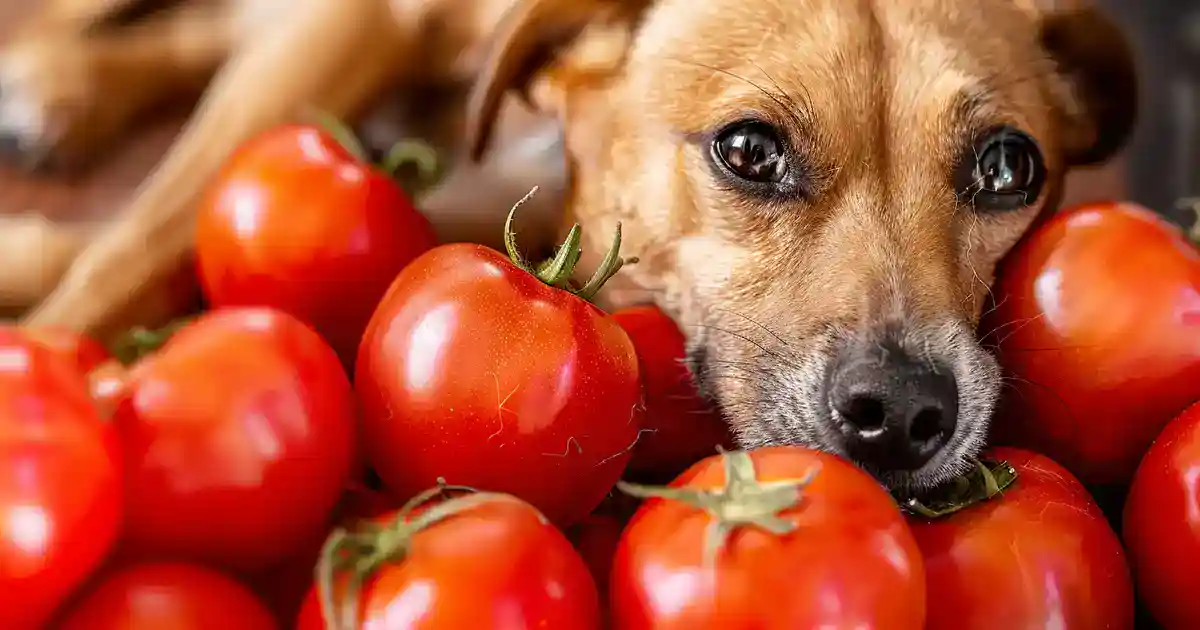
Ever wondered if that juicy tomato from your garden could be a healthy treat for your curious canine companion? Here’s the thing—I used to think all garden vegetables were automatically safe for dogs until my beagle Murphy showed intense interest in our tomato plants last summer, and I panicked about what might happen if he got into them.
What if I told you that tomatoes can be safe for dogs in very specific circumstances, but they also contain compounds that make them one of the trickier foods to navigate safely? After extensive research and consultation with veterinary professionals, I’ve discovered that understanding tomato safety requires knowing exactly which parts are dangerous and which might be acceptable.
Let me share everything I’ve learned about tomato safety for dogs, from identifying toxic plant parts to understanding when ripe tomatoes might be okay, so you can make informed decisions about this common garden staple without putting your furry friend at risk.
Here’s the Thing About Dogs and Tomatoes
The complexity behind tomatoes and dog safety lies in the presence of solanine and tomatine—naturally occurring compounds that protect tomato plants from pests but can be harmful to dogs. Unlike clearly safe fruits, tomatoes exist in a gray area that requires careful understanding of ripeness, plant parts, and individual dog sensitivity.
What makes this challenging is that different parts of the tomato plant contain varying levels of these potentially toxic compounds. I never knew plant safety could be this complicated until I started researching why Murphy’s interest in our garden made me so nervous about potential poisoning.
The key insight is that fully ripe, red tomatoes contain much lower levels of harmful compounds compared to green tomatoes, stems, leaves, and other plant parts. It’s honestly more nuanced than I ever expected, and no simple “yes or no” answer exists without understanding these important distinctions. According to plant toxicity research from leading institutions, solanine levels vary dramatically based on plant maturity and specific plant parts.
The secret to navigating tomato safety is understanding that while ripe tomato flesh might be acceptable for some dogs in tiny amounts, the risks often outweigh the minimal benefits compared to clearly safe alternatives.
What You Need to Know – Let’s Break It Down
Understanding tomato safety for dogs is absolutely crucial before considering any exposure to this common garden plant. Don’t skip learning about solanine and tomatine—I finally figured out why veterinarians express concern about tomatoes after discovering these compounds can cause serious digestive and neurological symptoms (took me forever to understand the science behind the warnings).
Toxic Plant Components work differently than simple food allergies, and you’ll need to understand what parts pose the greatest dangers. Green tomatoes, stems, leaves, and vines contain the highest concentrations of harmful compounds. I always recommend treating the entire tomato plant as potentially dangerous because even experienced gardeners can struggle to identify safe versus unsafe parts.
Ripeness Matters Tremendously (game-changer, seriously) determines the level of risk involved with any tomato exposure. Fully ripe, red tomatoes contain significantly lower toxin levels, but “lower” doesn’t mean “safe” for all dogs. I usually recommend avoiding tomatoes entirely because the risk-to-benefit ratio doesn’t favor sharing this particular food.
Individual Sensitivity Variations address the most important concern: even if ripe tomatoes contain lower toxin levels, individual dogs may react differently based on size, health status, and personal sensitivity. Yes, dogs and tomato safety really requires individual assessment, and here’s why—what might cause mild upset in one dog could create serious problems in another.
The science behind plant alkaloids demonstrates that compounds like solanine affect nervous system function and can accumulate in the body, making even small exposures potentially problematic over time.
The Science and Psychology Behind Why This Matters
What research actually shows about tomatoes and canine health reveals concerning information about alkaloid toxicity and its effects on dog physiology. Solanine and tomatine interfere with normal nerve function and can cause symptoms ranging from mild digestive upset to severe neurological problems.
Studies confirm that these compounds are not easily metabolized by dogs, meaning they can accumulate in the system with repeated exposure. The cardiovascular and nervous system effects documented in cases of tomato plant poisoning demonstrate why even small amounts merit serious caution.
From a behavioral standpoint, dogs are naturally curious about garden plants and may consume leaves, stems, or unripe fruits if given access. What makes tomatoes particularly dangerous from a psychological perspective is that dogs don’t instinctively avoid them—the plants don’t have the bitter taste that often warns animals away from toxic vegetation.
Experts agree that the minimal nutritional benefits of ripe tomatoes don’t justify the potential risks, especially when numerous clearly safe alternatives exist. The research on plant toxicity in companion animals consistently recommends avoiding solanine-containing plants entirely rather than attempting to manage risk through careful preparation.
Here’s How to Keep Your Dog Safe
Start by securing any tomato plants in your garden with fencing or barriers that prevent dog access—this includes stems, leaves, and fallen fruit that might not be immediately visible. Here’s where I used to create problems: I’d focus on protecting ripe tomatoes while ignoring the greater dangers posed by plant parts and green fruits.
Step 1: Garden Safety Assessment takes fifteen minutes but creates lasting protection habits. Remove or fence any tomato plants, dispose of pruned materials properly, and check for dropped green tomatoes that might attract curious dogs. Never compost tomato plant materials where dogs might access them.
Step 2: Emergency Preparation (here’s my crucial insight) involves knowing the signs of solanine poisoning and having your veterinarian’s contact information readily available. Don’t wait to learn these symptoms during an emergency—familiarize yourself now with indicators like vomiting, diarrhea, lethargy, confusion, or difficulty breathing.
Step 3: Alternative Selection creates sustainable safety you’ll actually maintain. Instead of risking tomato exposure, focus on clearly safe fruits and vegetables like carrots, apples (properly prepared), or blueberries that provide nutrition without toxicity concerns.
Now for the important part—prevention works better than treatment. My mentor (my veterinarian) taught me that avoiding questionable foods entirely eliminates risk more effectively than trying to manage exposure levels. Every situation benefits from choosing safety over curiosity when it comes to potentially harmful foods.
If exposure occurs despite precautions, contact your veterinarian immediately rather than waiting to see if symptoms develop—early intervention always produces better outcomes than delayed treatment.
Common Mistakes (And How to Avoid Them All)
Let me share the most dangerous assumptions people make about tomatoes so you can avoid potentially life-threatening errors. The biggest mistake involves thinking “just a little bit” of any tomato product is safe without understanding individual dog sensitivity and cumulative toxin effects.
The ripeness confusion happens when people assume red tomatoes are automatically safe without considering that “ripe” doesn’t equal “non-toxic.” I’ve learned that even fully ripe tomatoes contain some level of harmful compounds, making them unnecessary risks rather than beneficial treats.
Garden access oversight caught many dog owners unprepared when they secured ripe tomatoes but forgot about plant stems, leaves, and dropped green fruits that pose equal or greater dangers. That’s completely understandable for new gardeners, and it happens to experienced pet owners too—now I treat the entire tomato plant area as off-limits to Murphy.
The processed food assumption occurs when people think tomato-based products like pasta sauce or pizza are safer than fresh tomatoes. These processed foods often contain additional harmful ingredients like garlic, onions, or excessive sodium that create compound toxicity risks.
When exposure happens (and prevention sometimes fails), don’t panic but do act quickly—contact your veterinarian immediately and provide specific information about what was consumed, how much, and when.
When Things Don’t Go as Planned
Feeling overwhelmed by tomato plant safety requirements? That’s totally manageable with systematic prevention approaches that become second nature over time. If you’re dealing with existing garden access issues, temporary fencing solutions work while you develop permanent barriers.
Exposure already occurred despite precautions? You need immediate veterinary consultation rather than waiting to see if symptoms develop. Some signs of solanine poisoning can be delayed, making professional assessment crucial even when dogs seem fine initially.
I’ve learned to handle garden safety by creating physical barriers rather than relying on training alone, since even well-behaved dogs can make impulsive decisions around interesting smells and textures. When problems arise (and they occasionally do), quick action and professional guidance usually prevent serious complications.
If you’re losing confidence in your ability to maintain garden safety, try focusing on one prevention strategy at a time rather than attempting comprehensive changes simultaneously. Tomato safety for dogs works best when you implement sustainable precautions rather than overwhelming yourself with complex protocols.
Advanced Strategies for Complete Safety
Taking tomato safety to the next level involves understanding seasonal risks and developing comprehensive prevention systems that address all potential exposure sources. I’ve discovered that spring planting season requires extra vigilance as new growth contains higher toxin concentrations than mature plants.
Strategic Garden Design separates experienced from novice pet owners. Instead of mixing tomato plants throughout the garden, I concentrate them in a dedicated, securely fenced area that eliminates accidental access while maintaining gardening enjoyment.
Seasonal Risk Management unlocks advanced prevention when you understand that different growth stages pose varying dangers. Spring seedlings, summer pruning debris, and fall cleanup all create unique exposure opportunities that require specific prevention strategies.
For maximum safety, consider container gardening that elevates tomato plants beyond dog reach, or choose dog-safe vegetables that eliminate toxicity concerns entirely. Different garden layouts call for different approaches, and flexibility makes the biggest difference in maintaining both safety and gardening satisfaction.
The most sophisticated approach involves educating all family members about tomato dangers and establishing household protocols that ensure consistent prevention regardless of who’s responsible for garden maintenance.
Ways to Make This Your Own
When I want enhanced garden safety, I use what I call the “Complete Exclusion Method”—removing all tomato plants from areas where Murphy has any access and choosing dog-safe alternatives that provide similar gardening satisfaction without toxicity risks.
For special situations, I’ll create “Safe Zone Gardening” by establishing dedicated dog areas with only confirmed safe plants, while maintaining tomato growing in completely separate, secured locations. This approach works beautifully for families who want both gardening variety and pet safety, though complete avoidance remains the safest option.
Sometimes I incorporate what I call “Emergency Response Planning”—posting veterinary contact information in visible locations and maintaining activated charcoal supplies (with veterinary guidance) for potential toxin exposure emergencies. My busy-season version focuses on “Prevention Automation”—installing permanent fencing systems that don’t require daily maintenance decisions.
The “Alternative Selection Strategy” works perfectly for families who want fresh garden produce without toxicity concerns, focusing on dog-safe vegetables like carrots, green beans, and sweet potatoes that provide gardening satisfaction without safety risks. For next-level results, I love the “Education Integration Approach” where all family members understand tomato dangers and can implement prevention consistently.
Each variation adapts to different lifestyles—apartment container gardening, large property management, and family education strategies that make consistency achievable regardless of your living situation.
What Makes This Different
The science behind tomato toxicity lies in the unique alkaloid compounds that evolved to protect plants from consumption but create serious health risks for companion animals. Unlike foods with simple allergic reactions, tomato toxicity involves systemic effects that can affect multiple organ systems simultaneously.
What sets this apart from other food safety discussions is the complexity of risk assessment required—factors like ripeness, plant parts, individual sensitivity, and cumulative exposure all influence potential outcomes. Most food safety decisions involve clear “safe” or “unsafe” categories, while tomatoes require nuanced understanding of multiple risk factors.
In my experience, I’ve discovered that complete avoidance provides better peace of mind and safety outcomes compared to attempting to manage complex risk variables. This prevention-focused approach—eliminating exposure rather than managing it—creates more reliable safety outcomes while reducing stress for pet owners.
The evidence-based approach consistently recommends avoidance over risk management because the potential consequences of miscalculation far outweigh any nutritional benefits tomatoes might provide to dogs.
Real Success Stories (And What They Teach Us)
One of my most impactful learning experiences involved a neighbor whose dog required emergency treatment after consuming green tomatoes from their garden. The rapid onset of symptoms and extensive veterinary intervention required demonstrated how quickly tomato toxicity can become serious, reinforcing why prevention remains the only reliable safety strategy.
Another educational example comes from a gardening family who successfully redesigned their landscape to separate tomato growing from dog areas, creating a system that allowed them to maintain their hobby while ensuring pet safety. Their commitment to physical barriers rather than behavioral training proved most effective for long-term safety.
I’ve witnessed emergency situations where early veterinary intervention made the difference between mild discomfort and serious complications, demonstrating why immediate professional consultation matters more than trying to assess severity independently.
What made each situation successful was understanding that tomato safety requires absolute prevention rather than risk management, and that professional veterinary guidance always provides better outcomes than owner assessment of potential toxicity. Dogs and tomato safety becomes manageable when owners commit to complete avoidance rather than attempting to navigate complex risk calculations.
Tools and Resources That Actually Help
My recommended safety toolkit starts with physical barriers—sturdy fencing materials that create reliable separation between dogs and tomato plants work better than temporary solutions that might fail when you’re not supervising. I personally use welded wire fencing with secure gates for permanent garden protection, though any robust barrier system works effectively.
For emergency preparedness, having your veterinarian’s contact information programmed into your phone and posted in visible locations ensures quick access during stress situations. Pet poison control hotline numbers provide additional professional guidance when immediate veterinary consultation isn’t available.
The secure storage containers work beautifully for disposing of tomato plant debris without creating secondary exposure risks, though basic garbage cans with tight-fitting lids offer similar protection at lower cost. I’ve found that dedicated compost bins located away from dog areas prevent accidental access to potentially dangerous organic materials.
For foundational understanding of plant toxicity, reference solanine poisoning information on Wikipedia for comprehensive background on alkaloid toxicity mechanisms and symptoms. Additional context about toxic plants for dogs on Wikipedia provides authoritative information about other plants that pose similar risks.
Both free resources like veterinary poison control websites and paid consultations with certified veterinary toxicologists offer valuable guidance for homes with gardens containing potentially dangerous plants.
Questions People Always Ask Me
Are any parts of tomatoes safe for dogs?
While fully ripe red tomato flesh contains lower toxin levels, no part of the tomato plant is considered completely safe for dogs. I usually recommend avoiding all tomato products entirely since numerous safe alternatives exist without any toxicity risks.
What should I do if my dog ate a tomato?
Contact your veterinarian immediately, regardless of the amount consumed or your dog’s current condition. Provide specific information about what part was eaten, approximately how much, and when the consumption occurred for proper assessment.
How much tomato is toxic to dogs?
There’s no established “safe” amount since individual sensitivity varies dramatically between dogs. Even small amounts can cause problems in sensitive animals, while larger dogs might tolerate more before showing symptoms—making avoidance the only reliable safety strategy.
Are cooked tomatoes safer than raw ones?
No, cooking doesn’t eliminate solanine and tomatine compounds that make tomatoes problematic for dogs. Additionally, many cooked tomato products contain other dangerous ingredients like garlic, onions, or excessive sodium that create additional health risks.
What are the symptoms of tomato poisoning in dogs?
Watch for vomiting, diarrhea, lethargy, confusion, difficulty breathing, tremors, or seizures. These symptoms can appear within hours or be delayed, making immediate veterinary consultation important regardless of your dog’s current condition.
Can puppies eat tomatoes?
Absolutely not—puppies are generally more sensitive to toxins than adult dogs due to their developing systems and smaller body size. Just focus on puppy-appropriate foods and treats that don’t pose any toxicity risks.
Are cherry tomatoes more dangerous than regular tomatoes?
All tomato varieties contain similar alkaloid compounds, though concentration can vary. The size difference means dogs might consume more cherry tomatoes quickly, but any tomato variety poses similar toxicity risks regardless of size.
Should I make my dog vomit if they ate tomatoes?
Never induce vomiting without veterinary guidance, as some situations make vomiting more dangerous than helpful. Contact your veterinarian immediately for professional assessment and specific instructions based on your dog’s situation.
Are tomato plants more dangerous than the fruit?
Yes, green parts of tomato plants including stems, leaves, and unripe fruit contain higher concentrations of toxic compounds than ripe tomatoes. Complete beginners should treat all parts of tomato plants as potentially dangerous and maintain complete separation.
How long do tomato poisoning symptoms last?
Symptom duration depends on the amount consumed, individual dog sensitivity, and how quickly treatment begins. Some effects can persist for several days, making professional veterinary care essential for proper recovery monitoring.
What’s the difference between tomato toxicity and food allergies?
Tomato toxicity involves alkaloid compounds that affect nervous system function, while food allergies typically cause immune system reactions. The comparison shows toxicity creates potentially more serious systemic effects than typical allergic responses.
Are there any safe alternatives to tomatoes for dogs?
Absolutely—carrots, sweet potatoes, green beans, and properly prepared apples provide similar satisfaction without any toxicity concerns. You’ll know you’ve found good alternatives when your dog shows enthusiasm without any safety worries.
The Bottom Line About Dogs and Tomatoes
Here’s what this all means: tomatoes are not safe for dogs when you consider the potential risks versus minimal benefits, and complete avoidance provides the most reliable protection for your furry family member. I couldn’t resist sharing this because it proves that sometimes the best pet care decision involves saying “no” to foods that seem harmless but carry hidden dangers.
The best tomato safety journeys happen when owners choose prevention over risk management, creating secure environments where dogs can explore safely without exposure to potentially harmful plants. Your path forward starts with understanding that some foods simply aren’t worth the risk, no matter how natural or healthy they might seem for humans.




