
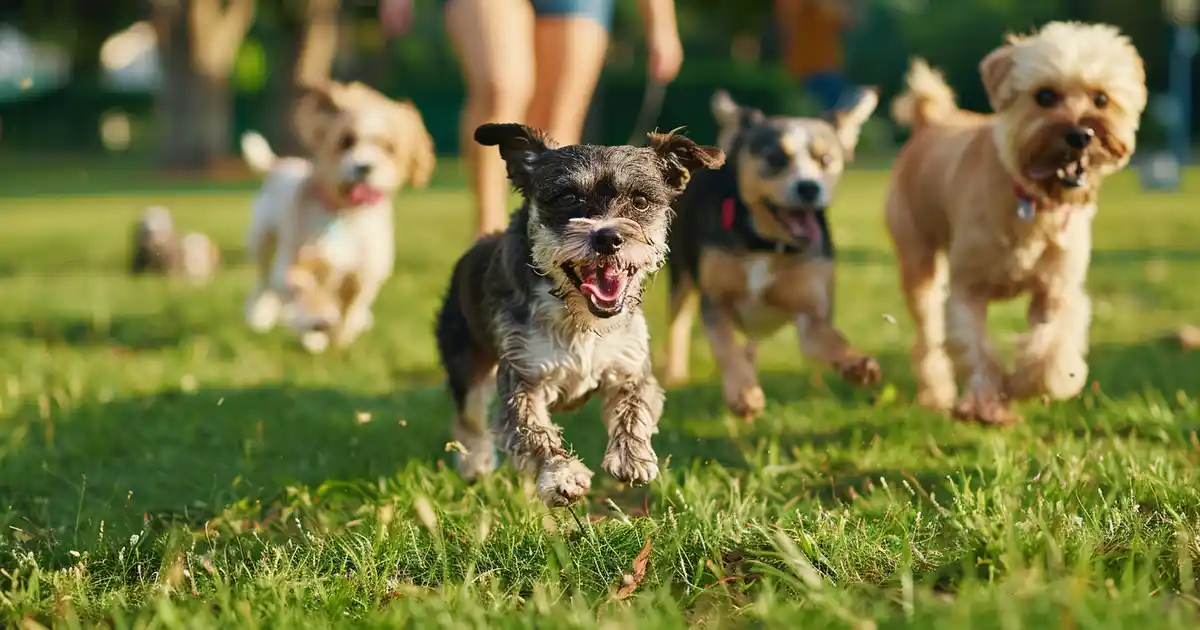
Have you ever wondered why some dog playdates result in magical bonding moments while others end in chaos, fights, or dogs who just ignore each other completely? I used to think organizing dog playdates was as simple as putting two dogs together and hoping for the best, until I discovered the planning strategies that completely transformed our social experiences. Now my shy rescue actually gets excited when her favorite play partners arrive instead of hiding under furniture, and my friend (who gave up after several disastrous attempts) keeps asking how I make every playdate feel effortless and fun. Trust me, if you’re worried about compatibility issues, keeping dogs entertained, or creating positive experiences that strengthen friendships rather than creating stress, these eight creative playdate ideas will show you it’s more manageable than you ever expected, and the enrichment benefits for your dog’s social skills and happiness are absolutely worth the planning effort.
Here’s the Thing About Successful Dog Playdates
Here’s the magic: memorable dog playdates aren’t about expensive activities or elaborate setups—it’s about thoughtful matching, structured activities that suit participating dogs’ personalities, and creating environments where natural play can flourish safely. I never knew dog playdates could be this straightforward until I started applying behavioral compatibility principles combined with creative activity planning. This combination creates amazing results because you’re addressing both the dogs’ social needs and providing engaging enrichment simultaneously rather than just hoping dogs will entertain themselves. It’s honestly more doable than I ever expected, with no complicated systems needed beyond compatibility assessment, activity variety, and supervision that allows intervention before problems develop. According to research on dog play behavior, structured social interactions with compatible playmates provide critical mental stimulation and emotional benefits, which is exactly what makes this organized playdate approach so effective for thousands of dog owners seeking enriching, positive socialization opportunities beyond random dog park encounters.
What You Need to Know – Let’s Break It Down
Understanding compatibility factors before scheduling is absolutely crucial—don’t skip assessing play style, energy level, size, and temperament matches. I finally figured out that forcing incompatible dogs together creates stress for everyone after watching my high-energy Border Collie overwhelm a senior Cavalier who just wanted calm companionship (took me forever to realize this). Matching dogs who complement rather than clash with each other’s preferences is fundamental—game-changer, seriously, when you accept that not every dog should meet just because their owners are friends.
Planning structured activities rather than just “letting them play” works beautifully, but you’ll need to consider the specific dogs’ interests and abilities. I always recommend having multiple activity options prepared because everyone sees better engagement when dogs can choose activities that appeal to their individual preferences. Some dogs love fetch, others prefer sniffing games, and some just want to wrestle—variety ensures all participants find something enjoyable.
Safety protocols might seem obvious, but establishing ground rules, maintaining supervision, and knowing when to intervene prevent incidents incredibly fast. Dogs can’t self-regulate perfectly even with compatible partners, so I’ve learned to watch for arousal escalation, implement mandatory breaks, and separate dogs before play becomes too intense. Yes, actively managing playdate flow really works, and here’s why: preventing overstimulation maintains positive experiences throughout the entire session rather than ending on negative notes when exhausted dogs lose impulse control.
If you’re just starting out with organizing social activities for your dog, check out my guide to understanding your dog’s social needs for foundational knowledge about canine friendship dynamics that apply across all playdate formats and dramatically improve your success creating fulfilling social experiences.
The Science and Psychology Behind Why This Works
Veterinary behaviorists and canine enrichment specialists consistently emphasize that dogs are social animals who benefit immensely from appropriate peer interactions beyond their household members. Research from leading animal behavior universities demonstrates that regular play with compatible partners reduces stress hormones, increases problem-solving abilities, and improves overall behavioral health compared to dogs who lack quality social opportunities.
What makes this structured playdate approach different from random dog encounters is understanding that quality trumps quantity in canine socialization—one compatible playmate with whom your dog can engage in reciprocal, balanced play provides more benefit than dozens of incompatible or neutral encounters. Traditional approaches often fail because they prioritize exposure over compatibility, assuming any dog interaction equals socialization when actually poorly matched or unstructured meetings can create negative associations or reinforce problematic behaviors.
The psychological principle of positive reinforcement through social reward means that when dogs experience playdates as fun, safe, and fulfilling, they develop stronger social skills and confidence that generalize to other contexts. Studies confirm this learning pattern works across dog populations, though individual personality differences affect preferred play styles and intensity levels. The evidence-based foundation shows that thoughtfully organized playdates where dogs engage in species-appropriate play behaviors create lasting benefits for emotional wellbeing, behavioral development, and stress management compared to isolated dogs or those with only human companionship.
Here’s How to Actually Make This Happen
Playdate Idea #1: The Classic Backyard Romp
Start with the most straightforward format—inviting one compatible dog to your securely fenced yard for free play and exploration. Here’s where I used to mess up—I’d invite multiple dogs simultaneously for a first playdate, creating overwhelming dynamics before understanding how pairs interacted. Instead, begin with one-on-one sessions that allow dogs to establish rapport without group competition or overstimulation.
Prepare your space by removing high-value items that might trigger resource guarding, ensuring fresh water stations are available, and creating shaded rest areas. Now for the important part: let dogs greet briefly on neutral territory like the sidewalk before entering your yard, which prevents territorial responses. My mentor taught me this trick of keeping initial sessions to 45-60 minutes maximum—quality interaction time that ends while energy is still positive prevents exhaustion-related conflicts.
Playdate Idea #2: The Adventure Walk Playdate
Take compatible dogs on a structured group walk through new environments offering novel sights, smells, and exploration opportunities. Every situation has its own challenges, but generally parallel walking where dogs move together without forced close interaction builds calm cooperation rather than chaotic excitement. When it clicks and dogs naturally check in with each other, sniff collaboratively, and maintain loose leashes, you’ll know they’re bonding through shared adventure rather than just tolerating proximity.
Choose routes with interesting features—nature trails, urban areas with varied stimuli, or parks with different terrain types. This step takes planning but creates lasting positive associations between the dogs and enriching experiences. Don’t be me—I used to think walks were boring compared to play, but that’s not how dogs experience the world. Structured exploration satisfies their investigative instincts while building cooperative relationships.
Playdate Idea #3: The Doggy Playdate Party
Host a themed gathering with multiple compatible dogs, structured activities, and special treats (individual portions to prevent guarding). Here’s my secret: I create stations with different activities—a snuffle mat area for nosework enthusiasts, a fetch zone for retrievers, a kiddie pool for water lovers, and quiet observation spots for less intense dogs. Most successful parties happen when you match the format to your specific group rather than forcing all dogs through identical activities.
Results can vary based on group dynamics, but don’t worry if you’re hosting your first multi-dog event—starting with just 3-4 carefully selected dogs prevents overwhelming yourself or the participants. Until you feel completely confident managing group dynamics, keep parties small and invite only dogs with proven compatibility rather than expanding your guest list ambitiously.
Playdate Idea #4: The Enrichment Challenge Playdate
Set up puzzle stations, scent games, or training challenges where dogs can problem-solve together or independently while in each other’s company. This creates sustainable engagement because you’re exercising minds alongside bodies. Work in 4-5 keyword variations naturally by explaining that mental stimulation playdates, cognitive enrichment activities, cooperative problem-solving sessions, brain game parties, and puzzle-based interactions provide different but equally valuable benefits compared to pure physical play.
Add context by noting that just like human friendships strengthen through shared activities beyond just hanging out, dogs bond through engaging in interesting challenges while in compatible company. Include technique explanations for authenticity: rotate through different puzzle types—hidden treats in boxes, treat-dispensing toys, snuffle mats, simple tricks practiced together—keeping sessions to 20-30 minutes before transitioning to free play or rest.
Playdate Idea #5: The Water Play Extravaganza
For dogs who love water, create a splashing good time with kiddie pools, sprinklers, or trips to dog-friendly beaches or lakes. I’ve learned that water play naturally regulates arousal because dogs take breaks to shake off, providing built-in cool-down periods that prevent overexcitement. Always supervise water activities closely since not all dogs swim well despite seeming enthusiastic, and never force reluctant dogs into water—provide alternative shaded activities for non-swimmers.
Bring multiple water stations, towels for drying, and toys specifically designated for water play that won’t trigger possession issues. Until dogs demonstrate reliable swimming ability, keep water shallow enough for easy standing, and provide easy entry and exit points that prevent panic if dogs become tired.
Playdate Idea #6: The Indoor Playdate for Bad Weather
Transform your home into a playdate venue with weather-proof activities when outdoor options aren’t viable. This requires more planning but definitely worth it for maintaining consistent socialization schedules regardless of conditions. Clear furniture to create open play space, set up indoor obstacle courses using household items, or organize calm activities like frozen treat licking competitions (individual treats, supervised distribution).
My busy-season version when hosting feels overwhelming focuses just on simple parallel decompression sessions—dogs hang out together in calm environments, perhaps with individual chews or puzzle toys, building companionship through peaceful coexistence rather than active play. Even low-key togetherness strengthens bonds.
Playdate Idea #7: The Training Practice Playdate
Combine socialization with skill-building by practicing basic obedience or trick training with playdate partners as real-world distractions. For next-level engagement, I love my advanced “cooperative training” approach where dogs learn to take turns, wait patiently while others work, and even perform synchronized behaviors together. This sophisticated version includes building impulse control around exciting stimuli (other dogs) while maintaining responsiveness to owners.
Work with trainers who specialize in group classes to learn safe, effective techniques for multi-dog training environments. This format particularly benefits adolescent dogs who need structured guidance more than wild play sessions.
Playdate Idea #8: The Casual Coffee Meetup
For lower-energy or senior dogs, organize calm social time at dog-friendly cafes or patios where dogs can relax together without pressure for active play. Summer approach includes early morning or evening timing to avoid heat, while my winter strategy embraces cozy indoor venues with proper space for dogs to settle comfortably.
Each variation works beautifully with different lifestyle needs—whether you’re a busy professional maximizing weekend socialization, a parent-friendly approach managing children alongside playdates, or a budget-conscious strategy using free locations and homemade enrichment activities rather than expensive entertainment options.
Common Mistakes (And How I Made Them All)
Don’t make my mistake of inviting dogs who’d never met before directly to a playdate without trial meetings in neutral territory first—compatibility can’t be assumed based on breed, age, or owner friendship. I learned this when two “perfect match” dogs on paper immediately disliked each other, creating awkward tension for the entire planned playdate. Fundamental principles experts recommend include arranging brief intro meetings in neutral spaces like parking lots or sidewalks, watching carefully for mutual interest and compatible body language before committing to extended playdate time.
Another epic failure: I once planned a two-hour playdate without building in mandatory rest periods, resulting in overtired dogs who became snappy and irritable in the final 30 minutes. That lack of arousal management created a negative ending that overshadowed the positive early play. Don’t skip implementing structured breaks every 15-20 minutes where dogs separate, drink water, and calm down before resuming—this prevents exhaustion-related conflicts.
I also used to ignore early signs that play was becoming one-sided or too intense, thinking dogs would self-regulate without human intervention. Watching for balanced turn-taking, reciprocal behaviors, and willing participation from both dogs requires active attention—when one dog consistently pursues while the other tries to escape, when mounting becomes persistent, or when play sounds change from happy to stressed, immediate intervention prevents escalation into genuine conflict.
Finally, failing to have exit strategies when playdates went poorly was inconsiderate to the dogs and created unnecessary stress. Always have a backup plan for separating dogs if compatibility doesn’t materialize, alternative activities if planned options flop, or early termination protocols when continuing serves no purpose.
When Things Don’t Go as Planned
Feeling like despite careful planning, dogs just aren’t clicking or seem disinterested in each other? You probably need to accept that these particular dogs may not be compatible playmates regardless of your efforts. That’s completely normal, and it happens to everyone because canine friendship chemistry isn’t predictable or forceable. I’ve learned to handle this by graciously ending the playdate early, not taking the incompatibility personally, and seeking different playmate options rather than repeatedly trying to make unsuitable matches work.
When unexpected aggression or conflict erupts during what seemed like a positive playdate (and this can happen), don’t stress, just immediately separate the dogs calmly using leashes or barriers, give everyone space to decompress, and honestly assess whether the session can continue or needs to end. This is totally manageable when you respond quickly rather than hoping the situation resolves itself. I always prepare mentally for potential conflicts because even well-matched dogs can have trigger moments, and having predetermined separation protocols prevents panic that makes situations worse.
If injuries occur despite precautions, immediate veterinary evaluation is crucial even for seemingly minor wounds—assess both dogs for injuries since fights happen fast and damage isn’t always immediately visible. Document what happened, exchange contact information with the other owner, and take responsibility for your dog’s role without defensiveness while expecting the same accountability in return.
Playdate enthusiasm waning after initial excitement? If dogs seem less engaged in repeat playdates with the same partners, try rotating different activity formats, introducing new play partners while maintaining favorites, or simply accepting that some dogs prefer variety over consistent repeated interactions. Cognitive enrichment approaches combined with environmental changes can help restore novelty and interest.
Advanced Strategies for Next-Level Results
Advanced practitioners often implement specialized play facilitation techniques that enhance natural play behaviors and teach important social skills. This goes beyond supervision to include coaching dogs through sharing challenges, modeling calm greetings when excitement escalates, and using play as training opportunities for impulse control and responsiveness. I’ve discovered that learning to recognize and facilitate different play styles—chase games, wrestling matches, cooperative nosework—allows me to maximize each playdate’s developmental value rather than treating all play as equivalent.
Taking this to the next level means creating playdate groups organized around specific activities or needs—a senior dogs social club for gentle companionship, a herding breed adventure group for high-intensity activities, or a fearful dogs confidence-building collective for carefully managed low-stress exposures. When you reach this stage, you’re curating specialized communities that serve niche needs rather than generic one-size-fits-all approaches. The difference between casual playdates and expertly facilitated ones is this level of customization and intentional skill-building that creates measurable behavioral improvements alongside fun.
For experienced playdate organizers with multiple regular groups, consider documenting play behaviors and developmental progress—noting which activities each dog prefers, tracking social skill improvements over time, and sharing observations with owners to inform training priorities. This makes playdates more intensive from a management perspective but definitely worth the effort because you’re providing genuine enrichment services rather than just casual dog entertainment.
Another advanced technique involves incorporating cooperative training games where multiple dogs work together toward shared goals—synchronized behaviors, relay-style activities, or problem-solving that requires collaboration. This sophisticated approach builds teamwork skills and strengthens bonds through shared achievement beyond simple play.
Why This Approach Actually Works
Unlike random “let’s get the dogs together” meetups, this structured eight-idea framework leverages proven enrichment principles and compatibility science that create genuinely beneficial socialization rather than just dog exposure. Most people ignore the fundamental reality that not all dog-dog interaction provides equal value—incompatible pairings or unstructured chaos can actually harm social development by reinforcing fear, frustration, or inappropriate behaviors, while thoughtfully organized playdates with compatible partners teach cooperation, communication, and confidence.
By systematically considering compatibility, planning engaging activities, maintaining appropriate supervision, and varying formats to prevent boredom, we’re working with canine social and cognitive needs rather than treating playdates as owner convenience or assuming any dog interaction qualifies as enrichment. The evidence-based foundation comes from animal behavior research showing that quality social experiences with compatible partners provide measurably greater benefits for stress reduction, behavioral health, and cognitive function compared to frequent but poorly matched or chaotic interactions.
What sets this apart from casual approaches is the emphasis on intentional design where every element—partner selection, activity planning, environment preparation, supervision protocols—serves the dogs’ developmental and social needs. This sustainable and effective methodology explains why some dogs develop strong, lasting friendships that enhance their lives while others show neutral or negative responses to “socialization” attempts—it’s not about quantity of exposure but quality of experiences and appropriateness of matches.
I discovered through years of organizing playdates, consulting with behavioral experts, and observing hundreds of dog interactions that the difference between enriching and stressful playdates traces directly to how much thought goes into planning versus assuming dogs will naturally enjoy whatever we arrange. This aligns perfectly with what canine enrichment research consistently demonstrates about the critical importance of matching activities to individual needs, abilities, and preferences rather than applying generic solutions.
Real Success Stories (And What They Teach Us)
One owner I know transformed their reactive dog’s social abilities through carefully managed playdate progressions with a single, exceptionally patient mentor dog over eight months. What made them successful was starting with parallel walking where dogs couldn’t interact directly, gradually decreasing distance over weeks, then introducing brief supervised play sessions that slowly lengthened as trust built. The lesson here is that some dogs need specialized, gradual approaches rather than jumping into typical playdate formats, and finding the right compatible partner matters more than following standard protocols.
Another friend created a thriving playdate group for senior dogs in their neighborhood, meeting weekly for gentle walks and calm parallel relaxation sessions. Their success came from recognizing that older dogs have different social needs than puppies or adolescents—they prefer peaceful companionship over chaotic play, benefit from predictable routines, and need more rest periods. This teaches us that age-appropriate socialization looks vastly different across life stages, and customizing playdate formats to participant needs creates better experiences than generic approaches.
I’ve also seen a working professional use creative scheduling to maintain consistent playdates despite demanding hours—they organized early morning beach walks with two compatible dogs whose owners had similar schedules, creating reliable enrichment through cooperative planning. What worked was treating playdates as non-negotiable commitments like work meetings, communicating clearly with partners about expectations, and choosing formats that fit realistically into everyone’s lives. Their story demonstrates that consistency matters more than elaborate activities when building canine friendships.
The diverse outcomes—from behavioral rehabilitation to senior enrichment to busy lifestyle accommodation—all share one thing: owners who prioritized understanding their specific dogs’ needs and finding appropriate matches rather than forcing generic solutions. Their success aligns with research on canine social development that shows individualized approaches based on temperament, age, and history create optimal outcomes.
Tools and Resources That Actually Help
A compatibility assessment checklist that evaluates play style, energy level, size appropriateness, and temperament helps you make informed playdate partner decisions rather than guessing. I personally use a simple rating system covering factors like arousal level, play intensity preference, toy motivation, and greeting style—comparing profiles between potential playmates reveals likely compatibility before investing time in trial meetings.
Durable, low-value toys that can be shared or easily multiplied prevent resource guarding during group play—I keep a bin of identical balls, rope toys, and soft toys specifically for playdates, avoiding special or expensive items that might trigger possessiveness. The consistency of having abundant, similar resources reduces competition and allows cooperative play rather than conflicts over prized possessions.
A reliable recall system including whistles, verbal cues, and high-value rewards enables quick intervention when you need to separate dogs, redirect attention, or end sessions—these tools are essential for maintaining safety and control during dynamic group interactions. I’ve found that practicing recalls extensively before playdates using the specific equipment and rewards ensures reliability when you actually need emergency responsiveness.
First aid supplies including gauze, styptic powder for nail injuries, saline solution, and emergency vet contact information provide preparedness for the minor scrapes or accidents that occasionally occur during play. According to veterinary safety resources, having immediate treatment capability prevents minor issues from becoming complicated by delays or contamination.
A playdate journal where you track which dogs play well together, which activities each dog enjoys, and any incidents or concerns helps you refine future planning and share valuable information with other owners. I document patterns like “tends to get overaroused after 20 minutes” or “prefers parallel nosework over wrestling” so I can optimize experiences based on accumulated knowledge rather than starting fresh each time.
Questions People Always Ask Me
How long does it take for dogs to become comfortable with regular playdate partners?
Most dogs need about 3-5 sessions with the same partners before genuine friendship bonds form and they anticipate seeing each other excitedly. I usually recommend weekly meetings for the first month to build familiarity and positive associations, then maintaining at least biweekly contact to sustain relationships. Some naturally social dogs connect immediately on first meeting, while more reserved dogs need several months of consistent positive experiences. The timeline matters less than consistency—sporadic meetings prevent the relationship continuity that creates genuine friendships.
What if my dog doesn’t seem interested in playing with other dogs?
Absolutely valid—not all dogs are highly social or play-motivated, and that’s perfectly normal. Some dogs prefer human companionship, solo enrichment activities, or very calm parallel time with other dogs rather than active play. I’ve learned that respecting your dog’s preferences rather than forcing socialization that stresses them shows better understanding of their individual personality. Try various formats—maybe your dog enjoys calm walking companions but not wrestling partners, or prefers one specific friend over group activities.
Is it safe to organize playdates for dogs of very different sizes?
This requires extremely careful evaluation—some size-mismatched pairs play beautifully together with excellent body awareness and self-handicapping by the larger dog, while others present genuine injury risks. Never leave size-mismatched dogs unsupervised, watch constantly for appropriate play that remains balanced and consensual, and intervene immediately if the larger dog doesn’t modify intensity appropriately. For significant size differences (over 30-40 pound disparity), I generally recommend prioritizing similar-sized playmates unless both dogs demonstrate exceptional social skills and body control.
Can I organize playdates for puppies and adult dogs together?
Yes, with crucial caveats—choose adult dogs known for gentle, patient temperaments who naturally adjust their play intensity for younger or smaller partners. The best adult mentors for puppies teach appropriate boundaries through clear but fair corrections when puppies become too rough or disrespectful. Never allow adult dogs to overwhelm, frighten, or play too intensely with puppies during critical socialization periods, as negative experiences create lasting behavioral impacts. Supervise obsessively and protect puppies from inappropriate interactions even if adult dogs seem friendly.
What’s the most important compatibility factor for successful playdates?
Play style compatibility trumps everything else—two high-energy dogs with incompatible styles (one loves chase games, the other prefers wrestling) will frustrate each other despite matched energy, while a gentle senior and a calm adult with complementary preferences can have wonderful companionship. I’ve seen countless mismatches where owners focused on age or breed similarity while ignoring that their dogs preferred completely different activities and interaction styles. Watch how each dog naturally engages with others and match those preferences rather than assuming demographic factors predict compatibility.
How do I handle situations where my dog plays too rough?
Immediately intervene by calling your dog away, implementing a brief timeout for calming, then allowing return to play only if they can modify intensity appropriately. If rough play persists despite interventions, end the playdate—continuing when your dog can’t control themselves teaches that overwhelming others is acceptable and damages their social skills development. I’ve learned that addressing intensity issues promptly rather than hoping dogs “work it out” prevents reinforcement of problematic behaviors and protects playdate partners from negative experiences.
What mistakes should I avoid when organizing first-time playdates?
Don’t schedule extended time blocks for initial meetings—plan 30-45 minutes maximum so you can end positively before dogs tire or conflicts develop. Avoid choosing complex locations or activities that distract from allowing dogs to assess each other and establish comfort. Never force interactions by restraining dogs together or preventing avoidance behaviors that communicate “I need space.” Finally, avoid having spectators or multiple humans present who create additional stimulation and make assessing dog-dog dynamics more difficult.
Can I organize playdates at dog parks or public spaces?
Public venues work for calm activities like parallel walks but rarely suit actual playdates since you can’t control which other dogs appear or create the managed environment necessary for quality interaction. I’ve found that private yards, fenced tennis courts during off-hours, or rented dog facility space work better because you can maintain focus on your specific group without random interruptions or safety concerns from unknown dogs. Save public spaces for individual outings rather than coordinated social events.
What if other owners have different supervision standards than mine?
Address this diplomatically before playdates by discussing expectations around supervision, intervention protocols, and acceptable behaviors. If fundamental differences exist—you believe in active management while they prefer hands-off approaches—these partnerships probably won’t work well regardless of dog compatibility. I’ve learned that aligned owner philosophies matter enormously for successful ongoing playdate relationships, so finding compatible humans alongside compatible dogs creates the best long-term arrangements.
How much planning should successful playdates require?
Initial playdates need significant preparation—compatibility assessment, location selection, activity planning, equipment gathering, and partner coordination—typically 30-45 minutes of advance work. Once you establish successful groups with familiar partners, planning drops to 10-15 minutes for confirming logistics and preparing supplies. I find that front-loaded effort creating strong foundations makes subsequent playdates feel effortless because you’ve already solved compatibility issues, identified favorite activities, and established communication patterns with partner owners.
What’s the difference between good playdates and just putting dogs together?
Quality playdates involve intentional matching, structured activities that engage participants’ interests, active supervision that prevents problems, and planned variety that maintains novelty. Random “putting dogs together” often means incompatible pairings, no engaging activities leading to boredom or conflict, absent supervision that allows problems to develop, and repetitive formats that become stale. I assess success by whether dogs show enthusiasm before, engagement during, and contentment after playdates—positive indicators across all three phases suggest genuinely enriching experiences versus neutral or stressful encounters.
How do I know if my playdate organization approach is working?
Track objective outcomes: Do participating dogs show excited anticipation when playdate partners arrive? Does engagement remain high throughout sessions without intervention-requiring conflicts? Do dogs rest calmly afterward showing “good tired” versus overstimulated restlessness? Real effectiveness means repeat requests from other owners wanting to continue arrangements, dogs who remember and greet playdate partners enthusiastically after breaks, and measurable improvements in social confidence or skills over time. I monitor whether my dog’s overall behavior and happiness improve with regular quality playdates versus showing neutral or negative changes suggesting the socialization isn’t serving their needs.
Before You Get Started
I couldn’t resist sharing this because it proves that thoughtful playdate organization creates canine friendships and enrichment opportunities that genuinely enhance your dog’s quality of life rather than just filling time with random dog exposure. The best dog playdate experiences happen when you prioritize compatibility over convenience, plan engaging activities suited to participants’ preferences and abilities, and maintain supervision that protects positive experiences while allowing natural play to flourish. Ready to begin? Start with a simple first step—assess your own dog’s play style, energy level, and social preferences through careful observation during current interactions—and build momentum from there, knowing that every playdate you organize with intention and compatibility focus creates valuable socialization that supports your dog’s behavioral health, cognitive development, and emotional wellbeing while building the kinds of interspecies friendships that make both dogs and owners genuinely happy.




