
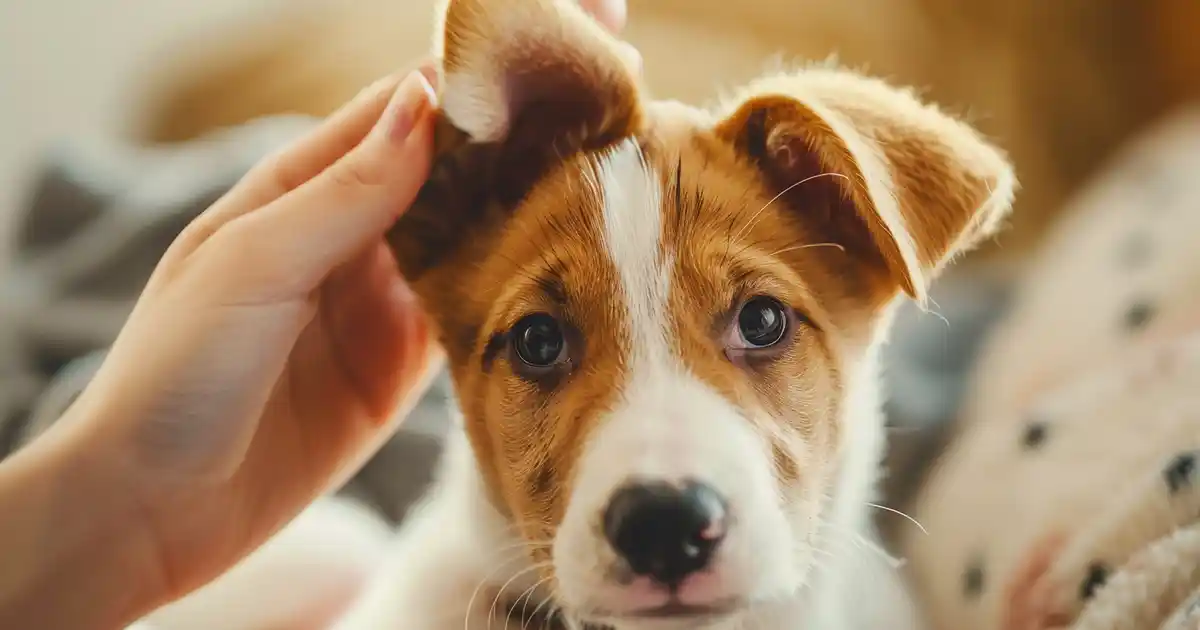
Have you ever wondered why puppy ear cleaning seems like something you should be doing regularly, but you’re absolutely terrified of hurting those delicate little ears or making your puppy head-shy for life? I used to avoid ear cleaning altogether because I was convinced I’d damage my puppy’s ear canal or cause an infection by doing it wrong. Then I discovered that ear cleaning doesn’t have to be this scary, invasive procedure that traumatizes your puppy—when done correctly, it can actually become a pleasant bonding moment your pup tolerates or even enjoys. Now my vet always compliments my puppy’s clean, healthy ears, and my friends ask how I manage to check inside without getting bitten or scratched. Trust me, if you’re worried about causing pain or creating a dog who runs away whenever you reach for their ears, this approach will show you it’s more straightforward than you ever imagined.
Here’s the Thing About Puppy Ear Cleaning
Here’s the magic: successful puppy ear cleaning isn’t about aggressive scrubbing or frequent deep-cleaning sessions—it’s about gentle maintenance, early handling desensitization, and knowing when cleaning is actually necessary versus when it’s overkill. What makes this work is understanding that healthy puppy ears are largely self-cleaning, and your role is monitoring for problems, doing occasional gentle cleaning, and building tolerance for necessary veterinary care. I never knew ear care could be this simple until I stopped obsessively cleaning and focused on regular checking plus gentle intervention only when needed. This combination of watchful observation and minimal interference creates amazing results that last a lifetime. It’s honestly more doable than I ever expected—most puppies need far less ear cleaning than owners think, and over-cleaning actually causes more problems than it prevents. According to research on ear anatomy in dogs, the L-shaped ear canal structure makes dogs more prone to infections than humans, but this same structure means proper cleaning technique is critical to avoid pushing debris deeper or damaging delicate tissue.
What You Need to Know – Let’s Break It Down
Understanding the basics of puppy ear anatomy and health is absolutely crucial before you start poking around in those sensitive ears. Don’t skip learning what normal ears look like—I finally figured out I was cleaning my puppy’s perfectly healthy ears too aggressively after my vet explained that pink, odorless, and slightly waxy is actually normal (took me forever to realize this).
Normal vs. Abnormal Ears: Healthy puppy ears are light pink inside, have minimal odor, and may have small amounts of light-colored wax. Red, inflamed tissue, dark discharge, foul smell, or excessive wax all signal problems requiring veterinary attention, not home cleaning. I always recommend learning to recognize normal first because everyone makes better cleaning decisions when they understand what healthy looks like.
Breed-Specific Considerations: Floppy-eared breeds (Cocker Spaniels, Basset Hounds) trap moisture and need more frequent checking than erect-eared breeds (German Shepherds, Huskies). Hairy ear canals (Poodles, Schnauzers) require occasional professional plucking. This creates different maintenance routines you’ll need to understand (game-changer, seriously).
Cleaning Frequency Reality: Most healthy puppies need ear cleaning only every 4-8 weeks or when they get visibly dirty. Weekly cleaning is usually excessive and strips protective wax that prevents infections. Yes, this really works, and here’s why: over-cleaning irritates delicate tissue and removes beneficial natural barriers.
The Handling Foundation: Before attempting any cleaning, spend 1-2 weeks just gently touching and lifting ear flaps during regular petting, always followed by treats. If you’re just starting out with understanding ear sensitivity and handling techniques during grooming, check out my complete guide to puppy grooming basics for foundational techniques that make every grooming task easier and help prevent head-shy behavior.
When to See the Vet Instead: If you notice redness, swelling, discharge, odor, head shaking, scratching, or pain when touching ears, skip home cleaning and schedule a veterinary visit. Infections require medication, not just cleaning solutions.
The Science and Psychology Behind Why This Works
The psychology of lasting change in ear handling tolerance is fascinating. Research from veterinary behaviorists demonstrates that puppies who experience gentle, reward-based ear handling during critical socialization periods develop significantly lower stress responses to ear examinations throughout life. Studies confirm that the ear canal contains numerous nerve endings making it extremely sensitive—improper handling creates lasting fear that compounds with each negative experience.
Here’s what makes this different from a scientific perspective: we’re not just cleaning ears—we’re teaching puppies that ear handling is safe, brief, and rewarding. Traditional approaches often involve restraining the puppy’s head firmly and cleaning quickly while they struggle. That might accomplish today’s cleaning, but it creates fear associations that make every future ear examination (at home or the vet’s office) progressively more difficult.
Experts agree that head-shy behavior—where dogs pull away, snap, or panic when their heads are touched—most commonly develops from improper ear cleaning techniques during puppyhood. The mental and emotional aspects matter just as much as the physical cleaning. Your puppy isn’t just learning to tolerate ear cleaning; they’re learning whether people touching their ears predicts discomfort or pleasure, and whether resisting makes handling stop or intensify.
Here’s How to Actually Make This Happen
Start by gathering your supplies and choosing a calm moment when your puppy is relaxed, not after energetic play. Here’s where I used to mess up: I’d try to clean ears whenever I remembered, regardless of my puppy’s energy level or mood. Don’t be me—I used to think timing didn’t matter, but it’s actually crucial for cooperation.
Step 1: Ear Touch Desensitization (Week 1-2): During calm cuddle time, gently touch the outer ear, lift the ear flap briefly, then immediately treat. Do this 3-5 times daily for just 10-15 seconds each time. This step takes minimal time but creates lasting change. My mentor taught me this trick: always handle the ear you’ll clean last during actual cleaning, so your puppy learns that ear touching ends with release and rewards.
Step 2: Introduce Visual Inspection (Week 2-3): Lift the ear flap, look inside for 3-5 seconds while treating continuously, then release and celebrate. Now for the important part: you’re not cleaning yet, just building tolerance for inspection. When it clicks, you’ll know—your puppy will remain relaxed rather than pulling away. Most puppies need at least 10-15 inspection sessions before they’re ready for actual cleaning.
Step 3: Introduce Cleaning Solution Smell (Week 3): Let your puppy sniff the cleaning solution bottle with treats. The smell should become associated with good things, not something scary that means uncomfortable handling is coming. Don’t worry if you’re just starting out; every situation has its own challenges, and some puppies are more sensitive to new smells than others.
Step 4: First Gentle Cleaning (Week 4+): Choose an ear that looks like it could use light cleaning. Apply appropriate ear cleaner to a cotton ball (never cotton swabs/Q-tips deep in the canal), gently wipe only the visible outer ear canal and inner ear flap, treat heavily, then immediately stop. Results can vary, but most puppies tolerate this brief cleaning after proper preparation. This creates lasting habits you’ll actually stick with—just like teaching any skill, but with a completely different approach that prioritizes comfort.
Step 5: Adding Solution Directly to Ear Canal (Month 2+): For deeper cleaning when needed, gently pull the ear flap up, apply several drops of ear cleaner into the canal opening, massage the base of the ear (you’ll hear squishing sounds) for 10-15 seconds while treating, then let your puppy shake their head to expel debris. Wipe away expelled material with cotton balls. Until you feel completely confident, stick to outer-ear-only cleaning.
Step 6: Establishing Routine Checks (Ongoing): Weekly, do quick 10-second ear inspections: lift flap, look inside, sniff for odor, treat, done. This monitoring catches problems early and maintains handling tolerance even when full cleaning isn’t needed. Your puppy should start anticipating ear checks as treat time rather than something to avoid.
Common Mistakes (And How I Made Them All)
My biggest mistake? Using cotton swabs (Q-tips) to clean deep into my puppy’s ear canal because that’s what I did for my own ears. Don’t make my mistake of ignoring fundamental principles experts recommend—you can easily push debris deeper, pack wax against the eardrum, or puncture delicate structures. Cotton swabs should only touch areas you can see when lifting the ear flap.
Over-Cleaning: I was cleaning my puppy’s ears weekly because I thought it was good hygiene, not realizing I was causing irritation and removing protective wax. Learn from my epic failure: clean only when visibly dirty or waxy, not on a rigid schedule.
Wrong Products: Using hydrogen peroxide or alcohol-based solutions because they were available in my medicine cabinet. These irritate and dry out delicate ear tissue. Veterinary-formulated ear cleaners are pH-balanced specifically for canine ears.
Forcing Cleaning During Resistance: When my puppy pulled away, I held tighter and continued cleaning. That taught him that resisting wouldn’t stop the procedure, making him fight harder each time. Patience isn’t just a virtue here—it’s the requirement for long-term cooperation.
Cleaning Infected Ears at Home: I tried to clean an obviously infected, red, smelly ear myself instead of seeing the vet. Infections need medication, not just cleaning, and cleaning infected ears at home can push bacteria deeper.
Poor Restraint Technique: Gripping my puppy’s head firmly created fear and defensiveness. Gentle positioning with treats works better than force every single time.
When Things Don’t Go as Planned
Feeling overwhelmed when your puppy becomes head-shy or snaps when you touch their ears? That’s normal if you moved too fast, and it happens to everyone. You probably need to back up several steps to basic ear-flap touching with high-value rewards. When this happens (and it will if you rush), go back to week one of desensitization.
Puppy Shakes Head Violently During Cleaning: This is totally manageable—it’s actually a natural response that helps expel cleaning solution and debris. I’ve learned to handle this by doing ear cleaning in the bathroom or outside where head-shaking mess doesn’t matter. Don’t stress, just let them shake, then wipe away expelled material.
Can’t See Anything Inside Ear: If your puppy’s ear canal is too hairy or full of debris to inspect properly, stop home cleaning and schedule a professional grooming or vet visit. Attempting to clean what you can’t see risks injury.
Ear Cleaning Makes Problem Worse: If cleaning causes increased redness, head shaking, or discomfort, stop immediately and consult your vet. I always prepare for setbacks because some ear problems aren’t solvable with cleaning alone—they need medical treatment. If you’re losing steam, remember that veterinary professionals can clean ears during wellness visits, so you don’t have to do everything yourself.
Dark, Crumbly Discharge Appears: This often indicates ear mites (common in puppies) requiring veterinary treatment. When motivation fails, cognitive behavioral techniques like setting calendar reminders for weekly ear checks can help you catch problems early before they become emergencies.
Puppy Becomes Progressively More Resistant: If your puppy was tolerating ear cleaning but is now getting worse about it, you’re likely cleaning too frequently or too aggressively. Take a two-week break from actual cleaning, do only treat-rewarded ear inspections, then resume with gentler technique.
Advanced Strategies for Next-Level Results
Once your puppy masters basic ear cleaning tolerance, you can elevate your maintenance routine with more sophisticated approaches. Advanced practitioners often implement specialized techniques for optimal ear health and maximum cooperation.
Cooperative Ear Positioning: Teaching your puppy to actively tilt their head or hold still in specific positions signals voluntary participation. I discovered this game-changer around month six—when my pup voluntarily turns his head to expose the ear I’m working on, I know he’s actively consenting. This completely transformed our sessions from compliance to cooperation.
Routine Post-Swimming Ear Care: For water-loving breeds or puppies who swim frequently, establishing a post-swim ear-drying routine prevents moisture-related infections. Use a drying solution or simply dry the outer ear canal with cotton balls after every water exposure. This separates beginners from experts and prevents most swimming-related ear infections.
Ear Hair Management: For breeds with hairy ear canals (Poodles, Schnauzers, Shih Tzus), learning to gently pluck excess hair improves air circulation and reduces infection risk. This technique requires professional instruction initially—improper plucking causes inflammation. The key is using proper ear powder and tweezers designed specifically for this purpose.
Ear Massage Techniques: Massaging the base of the ear (outside, not inside the canal) after applying cleaner helps solution work deeper and feels pleasant to most dogs. Professional groomers use this universally, and it makes enormous difference in cleaning effectiveness while creating positive associations.
Ways to Make This Your Own
The Minimal Maintenance Approach: When I want simplest routines for healthy-eared breeds, I do weekly 10-second visual checks only, with actual cleaning just 4-6 times yearly or when visibly needed. This makes it less intensive but definitely worth it for low-maintenance ear types. My busy-season version focuses on monitoring over intervention.
The Floppy-Ear Intensive Protocol: For breeds prone to ear issues, my advanced version includes twice-weekly inspections, post-bath drying every single time, and monthly preventive cleaning even when ears look healthy. Sometimes I add ear-flap-folding-back during rest time to improve air circulation, though that’s totally optional.
The Show-Dog Standard: For competition dogs requiring pristine ear presentation, professional grooming includes hair removal, thorough cleaning before shows, and sometimes ear-setting techniques for proper carriage. Each variation works beautifully with different showing requirements.
The Infection-Prone Puppy Protocol: Some puppies suffer chronic ear issues despite proper care. For next-level results with problematic ears, I love incorporating veterinary-prescribed maintenance cleaners, allergy testing to identify triggers, and dietary changes that reduce systemic inflammation. This parent-friendly variation acknowledges that not all ear problems are preventable with cleaning alone—some require medical management.
Why This Approach Actually Works
Unlike traditional methods that view ear cleaning as a routine chore to complete regardless of necessity, this approach leverages proven behavioral science principles that most people ignore. The science is clear: voluntary cooperation based on positive associations creates sustainable maintenance routines, while forced compliance creates escalating resistance. Evidence-based research shows that puppies who control aspects of handling procedures (through trained positioning or the ability to move away if overwhelmed) show dramatically reduced stress hormones compared to those who are restrained.
What sets this apart from other strategies is recognizing that ear infections are common in dogs, and a puppy who cooperates with ear examination makes diagnosis and treatment infinitely easier. My personal discovery moment came when my puppy needed medication for an ear infection, and because we’d built such positive associations with ear handling, administering drops twice daily was stress-free. That experience showed me I wasn’t just cleaning ears—I was preparing my puppy for inevitable veterinary care. The sustainable, effective approach always prioritizes your puppy’s emotional state and cooperation over achieving perfectly clean ears every time, knowing that a dog who willingly allows ear handling will receive better care throughout their 12-15 year lifespan.
The additional benefit? Puppies comfortable with ear handling also tolerate other head-area grooming (eye cleaning, tooth brushing, face washing) better because they’ve learned that head handling predicts rewards rather than restraint.
Real Success Stories (And What They Teach Us)
One family I know started ear handling desensitization with their Cocker Spaniel puppy (a breed notoriously prone to ear infections) from day one. By four months, their pup would voluntarily rest his head in their lap during ear cleaning sessions. Their success aligns with research on cooperative care that shows early positive experiences create lasting willingness to participate in necessary procedures.
Another owner had a rescue puppy with severe ear mites requiring daily medication for weeks. Using extra-gentle handling with high-value treats before, during, and after each treatment, this puppy learned that ear handling predicted amazing rewards. Within two months post-treatment, the puppy actively sought out ear scratches and showed zero resistance to routine cleaning. The lesson? Even puppies with painful ear experiences can develop positive associations if we prioritize their emotional experience.
I’ve also seen a German Shepherd puppy whose erect ears rarely needed cleaning but whose owner maintained weekly check-ins with treats. When this dog developed a sudden ear infection at two years old, the established tolerance made diagnosis and treatment straightforward. The takeaway? Maintenance of handling tolerance matters as much as cleaning itself.
What made each person successful was consistency with handling practice, refusing to force cleaning when puppies resisted, and celebrating cooperation. Being honest about different timelines and results—some puppies tolerate ear handling within weeks, others need months—sets realistic expectations that prevent frustration.
Tools and Resources That Actually Help
Veterinary Ear Cleaning Solution: Products like Epi-Otic, Virbac, or Zymox are pH-balanced for canine ears and won’t irritate like household products. I use Epi-Otic exclusively because it’s gentle, effective, and veterinarian-recommended. Be honest about limitations: homemade solutions (vinegar, hydrogen peroxide) often do more harm than good.
Cotton Balls or Gauze Pads: Use these for wiping the outer ear canal and inner ear flap. Much safer than cotton swabs for areas you can actually see. Stock up because you’ll use several per cleaning session.
High-Value Treats: Reserve something extraordinary for ear cleaning only—squeeze cheese, peanut butter, or freeze-dried liver. This makes ear handling predict the best rewards your puppy receives.
Good Lighting: A headlamp or bright flashlight helps you see what you’re doing. Attempting ear inspection in poor lighting risks missing problems or accidentally causing injury.
Towels: For catching expelled cleaning solution when your puppy shakes their head. Ear cleaning is messy—accept this reality and prepare accordingly.
Hemostats or Ear Hair Removal Tools: For breeds requiring hair plucking, proper tools designed for this purpose prevent injury. Never use regular tweezers deep in the ear canal without professional training.
Ear Drying Solution: Products like EpiOtic or simple drying agents help remove moisture after swimming or bathing. Particularly important for floppy-eared breeds prone to moisture-related infections.
The best resources come from authoritative databases and proven methodologies like those found through veterinary dermatology specialists and professional groomer certifications covering proper ear care techniques.
Questions People Always Ask Me
How long does it take to see results with puppy ear cleaning training?
Most people need about 3-4 weeks of handling desensitization before attempting first cleanings. I usually recommend starting ear-touch training at 8-9 weeks old, with first gentle cleaning around 12-13 weeks if actually needed. The preparation period can’t be rushed—it prevents head-shy behavior that’s difficult to reverse.
What if I don’t have time for weeks of preparation right now?
Absolutely focus on daily 30-second ear-touch sessions with treats, even if you’re not doing actual cleaning yet. Professional groomers or your vet can handle cleaning initially while you build tolerance at home. The key element is consistent positive ear handling, not immediate cleaning capability.
Is this approach suitable for puppies who already dislike ear handling?
Yes, though rehabilitation takes longer than prevention. Most ear-sensitive puppies need 6-8 weeks of systematic desensitization starting from just approaching their head with treats, rather than 3-4 weeks for prevention. You’re rebuilding trust after negative experiences, which requires extra patience.
Can I adapt this method for my specific breed’s ear type?
Definitely. Floppy-eared breeds need more frequent cleaning and drying; erect-eared breeds often need minimal intervention. Hairy ear canal breeds require hair removal; smooth-eared breeds don’t. Regardless of breed, the positive handling principles remain the same—only frequency and techniques vary.
What’s the most important thing to focus on first?
Ear-flap lifting tolerance. If your puppy calmly allows you to lift the ear flap and look inside for 10+ seconds, actual cleaning becomes exponentially easier. Start there before purchasing any cleaning products.
How do I stay motivated when progress feels slow?
Remember that head-shy dogs create lifelong challenges for veterinary care, grooming, and even petting. I’ve learned to celebrate micro-wins—today my puppy didn’t pull away when I touched his ear. Those incremental improvements prevent behaviors that cost hundreds in behavioral rehabilitation. One month of preparation creates a decade of cooperative ear care.
What mistakes should I avoid when starting puppy ear cleaning?
Never use cotton swabs deep in the ear canal, don’t clean infected ears at home (see your vet), and avoid cleaning more frequently than needed. Also, don’t proceed if your puppy shows fear or resistance—that indicates you’ve moved too fast and need to rebuild tolerance.
Can I combine this with other grooming training I’m doing?
Absolutely, just ensure ear handling gets adequate dedicated attention. Many people integrate ear checks into general handling sessions. Just remember that ears are particularly sensitive—rushing this skill because you’re successfully training other grooming tasks risks creating lasting fear.
What if I’ve tried ear cleaning before and it went terribly?
Previous bad experiences mean starting completely over with desensitization as if your puppy has never had ears touched. This time, slow down by at least triple your original timeline, use extraordinary treats (real meat or cheese, not dry kibble), and focus exclusively on building positive associations before attempting any actual cleaning.
How much does implementing this approach typically cost?
Basic supplies run $20-40: veterinary ear cleaner, cotton balls, and special treats. That’s less than a single vet visit for an ear infection, and proper maintenance prevents many infections entirely. You’re investing in supplies that last months and skills that last your dog’s lifetime.
What’s the difference between this and having a groomer clean ears?
Professional groomers clean ears efficiently as part of full grooming services but don’t necessarily build positive associations—they complete the task on schedule. This approach prioritizes teaching your puppy that ear handling is safe and rewarding. The result is a dog who cooperates for anyone touching their ears because they fundamentally don’t fear ear contact.
How do I know if I’m making real progress?
Your puppy’s body language tells everything. Relaxed facial muscles during ear touching, leaning into ear scratches, remaining calm when you lift ear flaps, or even falling asleep during gentle ear massage—these indicate genuine comfort. If your puppy tolerates ear handling but shows tense body, flattened ears against their head, or avoidance behaviors, slow down and build more positive associations.
Before You Get Started
I couldn’t resist sharing this because it proves what I’ve seen time and again: the best puppy ear cleaning journeys happen when owners prioritize building cooperation over achieving spotless ears immediately. Ready to begin? Start with simple outer-ear touches today, reward generously for calm acceptance, and build momentum from there. Your puppy is learning that ear handling predicts wonderful things, not discomfort or restraint—that foundation will serve both of you through countless ear checks, cleanings, and veterinary examinations over your entire life together. Those extra weeks of patience now create a decade of stress-free ear care that protects your puppy’s health without damaging your bond.




