
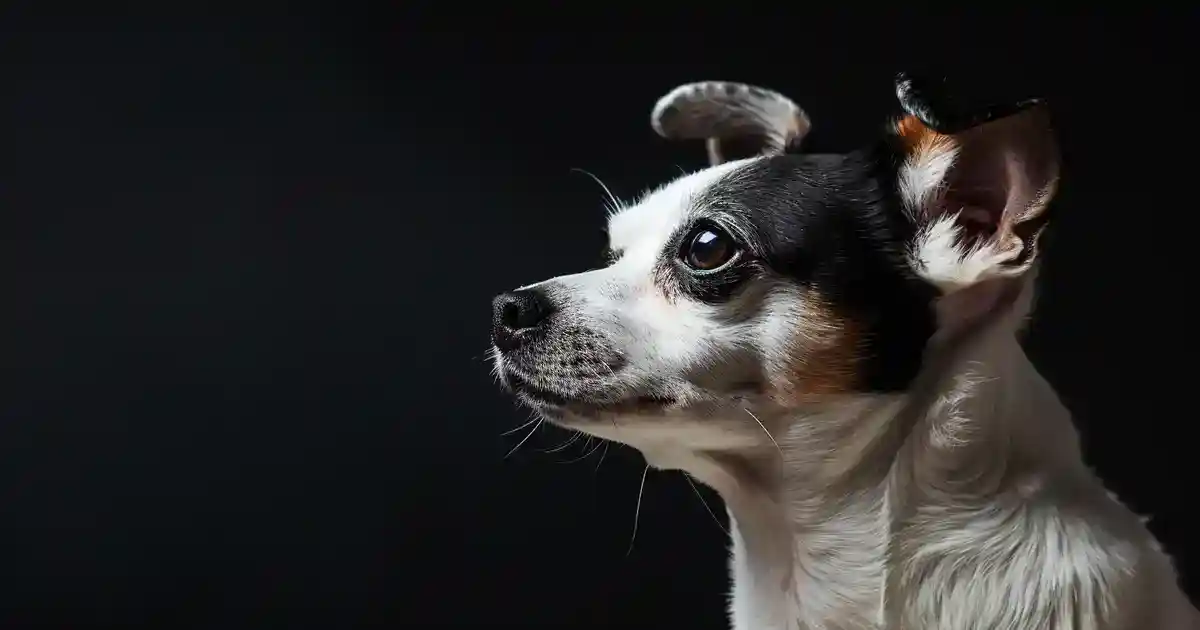
Have you ever wondered why your dog suddenly freezes on walks, tucks their tail during thunderstorms, or seems to shrink away when meeting new people? I used to think my rescue dog was just “shy” or “submissive” until I learned to recognize the specific fearful postures she displayed—each one a clear cry for help that I’d been completely missing. My awakening came when a certified behaviorist watched my dog for five minutes and identified three distinct fear signals I’d been interpreting as “just being calm” or “naturally reserved.” Now my friends constantly ask how I became so skilled at reading canine anxiety before it escalates into serious problems, and honestly, once you understand these five common fearful postures, you’ll prevent so much unnecessary stress for your dog. Trust me, if you’re worried about whether your dog is truly anxious or just relaxed, this detailed guide will show you the difference is more obvious than you ever expected.
Here’s the Thing About Fearful Dog Postures
The magic behind helping fearful dogs isn’t about forcing them to “face their fears”—it’s actually about recognizing when they’re scared so you can provide support before fear escalates into panic or aggression. Dogs display remarkably consistent body language patterns when experiencing fear, and learning to identify these postures gives you the power to intervene early and build confidence gradually. According to research on dog communication, canines evolved sophisticated nonverbal signaling systems that communicate emotional states with remarkable precision when you know what to look for. What makes recognizing fearful postures so crucial is that unaddressed fear doesn’t just disappear—it intensifies, potentially developing into chronic anxiety, reactivity, or defensive aggression. I never knew helping scared dogs could be this simple once you understand that fear has visible physical manifestations you can learn to spot instantly (took me forever to realize my dog was telling me she was terrified, not tired). This combination of observation skills and compassionate response creates the foundation for transforming fearful dogs into confident companions, and honestly, it’s more rewarding than I ever expected.
What You Need to Know – Let’s Break It Down
Understanding fearful dog postures starts with recognizing that fear is absolutely a valid emotional response—it’s your dog’s way of communicating they feel unsafe and need help. Don’t skip this part because it’ll help you respond appropriately to anxiety rather than dismissing or punishing fear signals.
I finally figured out after working with dozens of fearful rescue dogs that these postures exist on a spectrum from mild concern to absolute terror (took me forever to realize that early intervention at the first subtle signs prevents escalation to extreme fear). The five most common fearful postures each communicate slightly different aspects of fear and require nuanced understanding.
First, you’ll want to understand that fearful postures involve the entire body working together to communicate distress. These include lowered body position, tucked tail, pinned-back ears, averted gaze, tense muscles, weight shifted backward, and various displacement behaviors. The key is recognizing that these elements combine in predictable patterns that clearly signal fear once you learn to see them.
Second, context matters enormously (game-changer, seriously). A dog displaying fearful postures around a specific trigger (thunderstorms, unfamiliar people, certain objects) is communicating something different than a dog who shows chronic fearful body language in all situations. Situational fear requires desensitization to specific triggers, while pervasive fear may indicate underlying anxiety disorders, past trauma, or inadequate socialization. I always recommend noting when, where, and around what triggers your dog displays fear because everyone sees better results when they understand the complete picture.
Third, fearful postures serve important communicative functions—they’re not character flaws requiring correction. Dogs displaying fear signals are asking for space, communicating they’re not a threat, or attempting to appease perceived dangers. Punishing fearful behaviors suppresses the warning signals without addressing the underlying fear, often making anxiety worse. If you’re just starting your journey with understanding canine fear, check out my beginner’s guide to recognizing dog anxiety for foundational techniques that complement this guide.
The Science and Psychology Behind Why This Works
Research from leading animal behavior universities demonstrates that fear responses involve measurable physiological changes including elevated cortisol (stress hormone), increased heart rate, dilated pupils, and muscle tension that manifests visibly in body posture. Studies published in journals like Applied Animal Behaviour Science show that dogs displaying chronic fearful postures experience compromised immune function, shortened lifespans, and increased risk of developing anxiety disorders and aggression.
What’s fascinating is that traditional approaches to fearful dogs often involved flooding (forcing dogs to endure feared stimuli until they stopped reacting) or punishment for fear behaviors, which research now shows intensifies fear and damages the human-dog bond. The psychological principle at work here is simple: fear is an emotional response to perceived danger, and emotions can’t be commanded away—they must be changed through systematic positive experiences that build new associations.
I’ve personally experienced how recognizing and respecting fearful postures transforms behavior modification outcomes. My reactive rescue who displayed multiple fear postures around other dogs wasn’t “dominant” or “aggressive”—she was terrified and trying to create distance from perceived threats. Addressing her fear through counterconditioning and systematic desensitization (rather than corrections for her fearful displays) eliminated the reactivity because it addressed the actual cause. The mental and emotional aspects matter just as much as the physical manifestations—when you understand that postures reflect genuine emotional distress requiring compassionate support, everything about your response changes from confrontation to collaboration.
Here’s How to Actually Make This Happen (Recognizing the 5 Key Fearful Postures)
Start by learning to recognize these five common fearful postures so you can identify when your dog needs support. Here’s where I used to mess up—I’d see one or two signals but miss the complete pattern indicating significant fear. Don’t be me—learn to read the whole picture before deciding how concerned you should be.
Fearful Posture #1: The Classic Cowering Position The most recognizable fear posture involves the entire body lowering toward the ground, often with bent legs, lowered head, tucked tail curled tightly under the body, and ears pinned flat against the head. The dog makes themselves as small as possible, sometimes crouching or even lying down completely. This posture screams “I’m scared and trying to be invisible!” Watch for this during veterinary visits, around loud noises, or when dogs encounter perceived threats. The lowered body position reduces the dog’s profile, communicating submission and non-threat to whatever’s frightening them.
Fearful Posture #2: The Frozen Statue (Fear-Induced Stillness) Now for the posture most commonly misinterpreted—dogs who freeze completely still, barely breathing, with tense muscles throughout their entire body. Unlike relaxed stillness, fear-freezing involves visible muscle tension, wide eyes (often showing whites called “whale eye”), and a rigid quality to the motionlessness. Results of missing this signal can be serious—frozen dogs may suddenly flee or bite if the trigger comes closer because they’re in a high-stress state despite appearing “calm.” When you learn to distinguish tense freezing from relaxed stillness, you’ll know your dog needs immediate intervention to prevent panic escalation.
Fearful Posture #3: The Tail-Tucker with Backward Lean My mentor taught me this crucial observation skill: watch where the dog’s weight is distributed. Fearful dogs shift their weight backward onto their rear legs, creating a backward-leaning posture that prepares them to retreat quickly if needed. This combines with a tucked tail (sometimes curled so tightly it reaches between the back legs toward the belly), pinned ears, and often averted gaze looking away from the trigger. This posture communicates “I’m uncomfortable and ready to leave if this gets worse.” Dogs displaying this posture need more distance from whatever’s triggering their fear, not encouragement to “face it.”
Fearful Posture #4: The Stress Signal Cascade (Displacement Behaviors) Every fearful dog displays displacement behaviors—normal activities done out of context to self-soothe during stress. These include sudden sniffing when nothing’s there, lip licking (not related to food), yawning (when not tired), scratching (when not itchy), shaking off (like drying off when already dry), or sudden grooming. Combined with other tension signals—tight facial muscles, tense body, pinned ears—these behaviors indicate your dog is managing fear and needs support. Don’t worry if you’ve been missing these subtle signals—most people do until someone points them out.
Fearful Posture #5: The Appeasement Position (Submissive Rolling) Just like other fearful postures but often misunderstood as “wanting belly rubs,” dogs may roll onto their backs or sides with legs pulled in, avoiding eye contact, possibly urinating slightly (submissive urination). This extreme appeasement posture communicates “I surrender, please don’t hurt me!” and indicates significant fear. Dogs showing this around people often have histories of punishment or intimidation. This creates immediate need for changing your approach—never force interaction with a dog displaying this posture, as they’re asking desperately for space and reassurance they’re safe.
Common Mistakes (And How I Made Them All)
Don’t make my mistake of interpreting fearful postures as “stubborn,” “dominant,” or “manipulative” behavior requiring firm correction. I once punished my rescue for freezing on walks because I thought she was “being difficult,” when she was actually terrified of traffic noise and desperately communicating her fear. This deepened her fear association and damaged our trust relationship.
Another epic failure: forcing dogs displaying fearful postures to “face their fears” through flooding. I once held a fearful dog near a trigger they were terrified of, believing they’d realize it wasn’t dangerous. Instead, I traumatized them further, intensifying their fear and destroying the small amount of trust we’d built. I learned this the hard way when the dog developed generalized anxiety extending far beyond the original trigger (not my finest moment, and entirely my fault for ignoring clear communication).
The biggest mistake people make is ignoring fundamental principles experts recommend: fearful postures are communication requiring compassionate response, not character flaws requiring discipline. That Instagram video showing someone “curing” a fearful dog through confrontational methods doesn’t show the long-term psychological damage, suppressed warning signals that lead to “sudden” bites, or the chronic stress the dog experiences. Research from veterinary behaviorists shows that punishment for fearful behaviors is the primary cause of fear-based aggression.
I’ve also watched friends misinterpret appeasement postures as requests for belly rubs, then getting confused or angry when the dog becomes more stressed or snaps. Not every exposed belly means “pet me please”—sometimes it means “I’m scared, please back off.” Learn from my community’s collective mistakes: learn the difference between happy, relaxed body language and fearful appeasement signals before assuming you know what your dog wants.
When Things Don’t Go as Planned (And It Will)
Feeling overwhelmed by your dog’s persistent fearful postures despite your best efforts to build confidence? You probably need professional help from a certified behavior consultant or veterinary behaviorist who can assess whether underlying anxiety disorders, medical issues, or trauma require specialized intervention. That’s completely normal, and it happens to everyone working with severely fearful dogs or those with genetic predispositions toward anxiety. I’ve learned to handle this by recognizing when I’m in over my head and seeking expert guidance rather than continuing ineffective approaches. When this happens (and it will), don’t stress—professional support can make the difference between months of struggle and effective progress.
Progress stalled with your fear-reduction protocols? This is totally manageable. Some fears require longer timelines, smaller incremental steps, or different approaches than you initially planned. I always prepare for setbacks because life is unpredictable—one scary experience can temporarily undo weeks of progress, and that’s just how fear works neurologically. If you’re losing steam with systematic desensitization, try breaking exposure steps into even smaller increments or increasing the value of rewards used during counterconditioning. Science-based behavior modification techniques—basically creating positive associations gradually at the dog’s pace—can help reset your approach when fear isn’t decreasing as expected.
Dealing with fear-based aggression developing from unaddressed fearful postures? Many dogs who display fearful body language for extended periods without intervention eventually learn that aggression (growling, snapping, biting) successfully creates the distance they’ve been requesting through fearful postures. When standard confidence-building approaches aren’t preventing aggression, try consulting a veterinary behaviorist who can implement comprehensive behavior modification protocols and potentially prescribe anti-anxiety medications to reduce your dog’s baseline fear level enough for training to be effective.
The reality is that some dogs will always display more cautious, reserved postures than bold, confident breeds—and that’s okay. A fearful dog who develops the ability to observe new situations from a comfortable distance without panic, who recovers quickly from startling events, and who displays relaxed body language in familiar environments has made tremendous progress even if they’ll never be the social butterfly at the dog park. My approach combines acceptance of individual temperament with systematic efforts to expand comfort zones gradually.
Advanced Strategies for Next-Level Results
Once you’ve mastered recognizing basic fearful postures, taking this to the next level involves understanding the subtle progression from mild concern to extreme terror so you can intervene at the earliest possible point. Advanced practitioners often implement specialized techniques like reading micro-expressions (split-second fear signals preceding obvious displays), understanding the “ladder of aggression” (how fearful postures escalate when warning signals go unheeded), and recognizing breed-specific variations in fear displays.
I’ve discovered that video analysis matters enormously for catching subtle fear signals in real-time situations where you’re too focused on handling your dog to observe carefully. Recording training sessions, walks, or social interactions and reviewing them later reveals fearful postures you completely missed in the moment. When you start catching the half-second ear flick, slight weight shift, or momentary tension that precedes obvious fear displays, you’ve reached expert-level observation skills.
Advanced techniques that actually work include teaching confidence-building foundation behaviors that give fearful dogs coping strategies—behaviors like “touch” (targeting your hand with their nose), “look at that” (teaching dogs to observe triggers calmly), and voluntary cooperation exercises that return control to the dog. This works particularly well for dogs whose fear stems from feeling helpless—providing choices and control reduces fear intensity significantly.
For experienced handlers, understanding how your own emotional state influences your dog’s fear responses elevates your effectiveness. Dogs read human body language and emotional states with remarkable accuracy—your anxiety about their fear intensifies their fear through emotional contagion. Learning to maintain calm, confident energy while respecting your dog’s fear signals creates the secure base fearful dogs need.
What separates beginners from experts is recognizing that fearful postures exist on a nuanced spectrum, understanding when to create distance versus when to continue gentle exposure, and knowing the difference between productive stress (mild discomfort leading to learning) and harmful stress (overwhelming fear preventing learning). Mastering these distinctions prevents both pushing too hard and enabling fear through over-protection.
Ways to Make This Your Own (Customizing Your Approach)
When I want faster progress with mildly fearful dogs, I lean toward confidence-building protocols using high-value rewards, novel experiences at the dog’s pace, and success-based training building on small victories. This makes the process more intensive but definitely worth it if you have a dog whose fear is relatively mild and situational rather than pervasive.
For special situations where dogs display extreme fear requiring very gradual approaches, I’ll recommend specialized protocols like desensitization hierarchies (creating detailed step-by-step plans progressing from extremely mild versions of triggers to full-intensity exposures), relaxation protocols teaching dogs to achieve calm states on cue, and counterconditioning programs systematically changing emotional associations. My gentle-approach version focuses on respecting the dog’s pace completely, prioritizing emotional security over timeline concerns.
Sometimes I suggest incorporating calming supplements, pheromone diffusers, or anxiety wraps alongside behavioral modification, though medication consultation with veterinarians is essential for severe cases. Breed-specific considerations matter—some breeds naturally display more reserved, cautious body language that shouldn’t be pathologized as fear. For next-level results, I love working with veterinary behaviorists who can distinguish normal breed temperament from problematic fear requiring intervention.
My advanced version includes understanding how past trauma, critical socialization period experiences, and genetic predispositions interact to create individual fear profiles. Each variation works beautifully with different needs:
- Accelerated Confidence Building: Intensive, fast-paced protocols for mildly fearful dogs with good resilience (young dogs, situational fears)
- Gentle Trauma Recovery: Extremely gradual, patient approaches for severely traumatized dogs (abuse survivors, puppy mill rescues)
- Maintenance Prevention: Ongoing confidence support preventing fear development (naturally cautious temperaments, sensitive breeds)
- Medical Integration: Combining behavior modification with anti-anxiety medications (severe anxiety disorders, genetic predispositions)
Why This Approach Actually Works
Unlike dismissing or punishing fearful postures, this approach leverages proven psychological principles about fear, learning, and emotional conditioning. The science is unequivocal: fear is changed through systematic positive experiences creating new emotional associations, not through forcing dogs to endure what terrifies them until they “get over it.”
What makes this different from traditional “tough love” approaches is the focus on changing underlying emotions rather than suppressing visible symptoms. Research in veterinary behavioral science shows that dogs whose fearful postures are respected and addressed through systematic desensitization display faster fear reduction, develop stronger bonds with handlers, and avoid the severe behavioral fallout (aggression, generalized anxiety, learned helplessness) that punishment-based approaches create.
I discovered through years of rehabilitation work that dogs whose fearful communication gets acknowledged and respected learn to trust their handlers, which creates the secure base necessary for genuine confidence building. When dogs know their fear signals will be honored rather than punished or ignored, they’re paradoxically more willing to take small brave steps because they trust you’ll support them if things become overwhelming.
The approach is sustainable because it’s built on addressing root emotional causes rather than managing surface symptoms. It’s not about forcing dogs to tolerate fear—it’s about systematically reducing fear through accumulated positive experiences until triggers no longer provoke distress.
Real Success Stories (And What They Teach Us)
One rescue dog I worked with displayed all five fearful postures constantly—cowering from people, freezing at new sounds, weight perpetually shifted backward, constant displacement behaviors, and frequent submissive rolling when anyone approached. Through six months of systematic desensitization, counterconditioning, and building positive associations, her body language transformed completely. She developed neutral, relaxed postures in situations that previously terrified her, maintained confident weight distribution, and replaced fearful displays with curious exploration. The lesson? Even severe, pervasive fear can be addressed when you recognize the signals early and respond appropriately.
Another success story involves a dog displaying fear-frozen posture during grooming sessions, previously forced through the process despite obvious terror. When the groomer learned to recognize the frozen fear state and switch to cooperative care techniques (breaking grooming into tiny steps, rewarding brave participation, ending sessions at the first sign of stress), the dog’s posture transformed from rigid terror to relaxed cooperation within weeks. Their success aligns with research on behavior change that shows consistent patterns: respecting fear signals and building positive associations changes both emotions and resulting body language.
I’ve watched puppies who displayed mild fearful postures during critical socialization periods develop into confident adults when their fear signals were recognized and addressed immediately. One puppy who showed backward weight shift and tail tucking around unfamiliar people received systematic, gentle socialization at his pace rather than being forced into overwhelming interactions. He developed appropriate, confident social skills because his early communication was honored.
Different timelines exist for different dogs and fear sources. Some situational fears resolve within weeks of proper desensitization, while deep-seated fears from trauma or genetics may take months or years to address fully—and some may never completely resolve, requiring ongoing management. Results vary based on individual circumstances, but the pattern remains consistent: acknowledging fearful postures and responding compassionately creates better outcomes than dismissing or punishing fear.
Tools and Resources That Actually Help
The Fear Free certification program provides comprehensive resources about recognizing and reducing fear in veterinary and training contexts. I personally recommend their materials when teaching people to identify fearful postures because they include extensive photo and video examples of dogs at various fear levels.
For understanding the progression of fear signals, I always recommend Kendal Shepherd’s “Ladder of Aggression” poster showing how fearful postures escalate when early warnings go unheeded. This visual resource helps people understand why intervening at early fear signals prevents later aggression.
Books by certified experts like Patricia McConnell’s “The Cautious Canine” (fear protocol workbook), Nicole Wilde’s “Help for Your Fearful Dog,” and Debbie Jacobs’ “A Guide to Living with & Training a Fearful Dog” provide systematic approaches to addressing fear. These resources combine recognition skills with practical behavior modification protocols.
Video libraries showing fearful postures in context help develop observation skills better than static images. The Family Dog Project and iSpeakDog.org offer excellent visual resources demonstrating fear signals across various situations and breeds.
For severe cases, veterinary behaviorists (DACVB credential) can distinguish fear from medical issues, prescribe anti-anxiety medications when appropriate, and design comprehensive behavior modification plans. Certified behavior consultants (IAABC, CBCC-KA) provide specialized fear-reduction protocols beyond basic training.
Anxiety wraps like Thundershirts, calming supplements like l-theanine or CBD products (consult your veterinarian), and pheromone diffusers like Adaptil provide adjunct support but shouldn’t replace systematic behavior modification for addressing root causes.
Questions People Always Ask Me
How long does it take for fearful postures to disappear with proper treatment?
Timeline varies dramatically based on fear severity, cause, and individual dog resilience. Mild situational fears may improve noticeably within weeks of systematic desensitization, while severe trauma-based fears can require months or years to address substantially. Some dogs will always retain mild cautious tendencies even after successful treatment. I usually recommend focusing on functional improvement—can your dog navigate previously scary situations with manageable stress—rather than expecting complete elimination of all fear signals.
What if my dog only shows fearful postures around specific triggers but seems confident otherwise?
That’s actually a positive sign indicating situational fear rather than generalized anxiety disorder. Situational fears typically respond well to targeted desensitization and counterconditioning protocols addressing the specific trigger. Focus your behavior modification efforts on the trigger situations while maintaining your dog’s existing confidence in comfortable contexts.
Is showing fearful postures something my dog will outgrow without intervention?
Unfortunately, no. Unaddressed fear typically intensifies over time through sensitization—each scary experience makes the next one worse. Early fearful postures in puppies require immediate gentle intervention during critical socialization periods. Adult dogs displaying fear need systematic behavior modification, not time. Hoping fear resolves spontaneously usually results in worsening fear and potential development of fear-based aggression.
Can I help reduce my dog’s fearful postures through specific management strategies?
Absolutely. Environmental management preventing overwhelming exposure, providing safe retreat spaces, maintaining predictable routines, ensuring adequate exercise and mental stimulation, and avoiding punishment all support fear reduction. However, management alone doesn’t change underlying emotions—combine it with systematic desensitization and counterconditioning for lasting improvement.
What’s the most important thing to focus on first when my dog displays fearful postures?
Start by ensuring you never punish fearful behaviors and always respect your dog’s communication by providing space when they indicate discomfort. Before implementing formal desensitization protocols, establish this foundation of trust—your dog must learn their fear signals will be honored, not ignored or punished. This creates the secure base necessary for confidence building.
How do I know if my dog’s fearful postures indicate normal caution versus problematic anxiety?
Context and intensity matter. Brief, mild fearful postures in genuinely novel or startling situations represent normal caution. Prolonged, intense fear in response to common, benign stimuli (household objects, friendly people, everyday sounds) indicates problematic anxiety requiring intervention. Additionally, fear preventing normal activities or quality of life requires professional assessment regardless of cause.
What mistakes should I avoid when my dog displays fearful postures?
Avoid flooding (forcing exposure to feared stimuli), punishment for fearful behaviors, physical manipulation (forcing interaction or approach), dismissing signals as “dramatic” or “manipulative,” pushing past obvious distress signals, and assuming your dog will “get used to it” with repeated exposure. These approaches intensify fear and can create fear-based aggression.
Can medication help dogs displaying chronic fearful postures?
For severe anxiety or fear preventing progress with behavior modification alone, anti-anxiety medications prescribed by veterinarians can reduce baseline fear enough for learning to occur. Medication works best combined with systematic behavior modification, not as standalone treatment. Consult a veterinary behaviorist about whether medication might help your specific case.
What if my dog’s fearful postures seem to be getting worse despite my efforts?
This requires professional assessment. Worsening fear despite proper intervention may indicate underlying medical issues (pain, neurological problems, cognitive dysfunction), inadequate behavior modification technique (moving too fast, insufficient rewards), or severe anxiety disorders requiring medication. Don’t continue ineffective approaches—seek certified professional help.
How much does working with a professional for fear-related issues typically cost?
Initial consultations with certified behavior consultants range from $150-400, with follow-up sessions $100-200 each. Comprehensive fear modification programs can cost $1000-3000+ over several months. Veterinary behaviorist consultations start around $400-600. However, investing in proper fear treatment prevents expensive problems like fear-based aggression, anxiety-related destruction, and medical issues from chronic stress.
What’s the difference between a fearful dog and a dog showing normal submission signals?
Fearful postures involve genuine distress—tense muscles, stress signals, attempts to escape or avoid. Healthy submission signals during appropriate social contexts (greeting familiar dogs or people) involve relaxed body language without tension or stress indicators. The key difference is emotional state: fearful dogs are uncomfortable and need support, while appropriately submissive dogs are comfortable and communicating peaceful intent.
How do I know if my fear-reduction approach is actually helping my dog?
Track changes over time: Are fearful postures becoming less intense or lasting shorter periods? Is your dog able to remain comfortable at closer distances to triggers? Are recovery times faster after scary events? Is your dog showing more exploratory, curious behaviors? If these indicators improve even slightly, your approach is working—celebrate small victories rather than expecting dramatic transformations.
Before You Get Started
I couldn’t resist sharing this final insight because it proves what thousands of behavior professionals already know—the best relationships with fearful dogs happen when you learn to recognize their communication, honor their emotional needs, and build confidence gradually through systematic positive experiences rather than forcing them to “face their fears,” and once you understand these five common fearful postures, you’ll become your dog’s most important advocate and trusted guide toward a less frightening world. Ready to transform your fearful dog’s life? Start by simply observing their body language without judgment, learning to see their fear clearly, then commit to being the safe, predictable, compassionate presence they need to develop the confidence that will gradually replace those fearful postures with relaxed, secure body language.




