
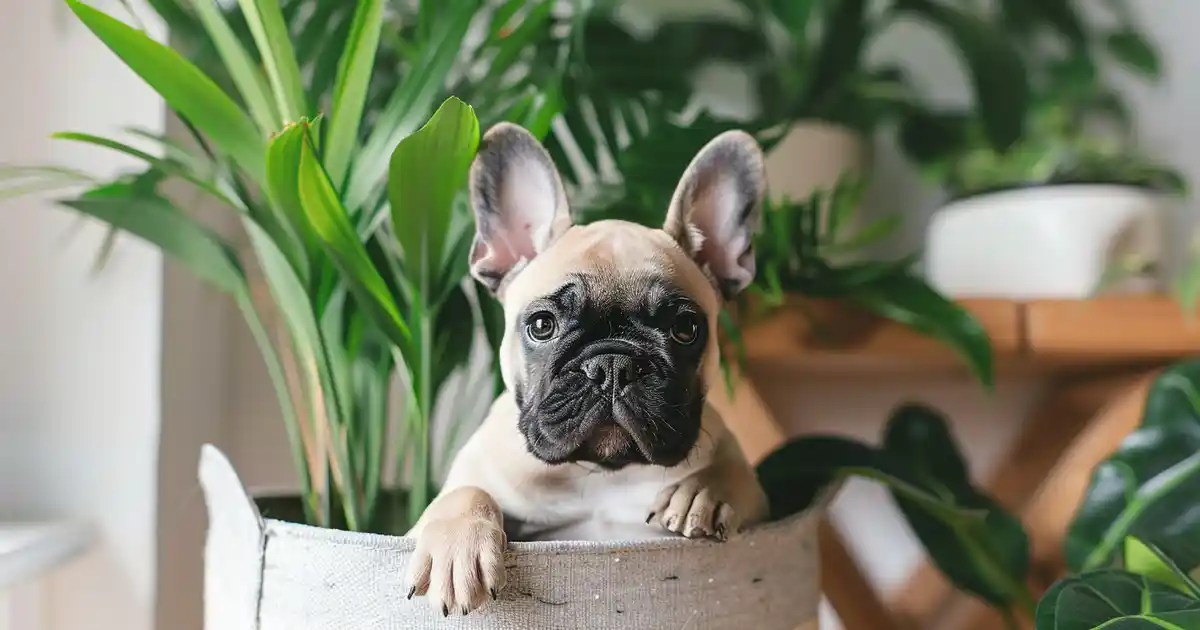
Have you ever wondered why finding puppy-safe plants feels like solving an impossible puzzle until you discover the right list? I used to love filling my home with gorgeous, lush greenery — trailing pothos, dramatic lilies, beautiful peace lilies — until the day I found my curious little golden retriever puppy chewing enthusiastically on a leaf from my brand new houseplant. After a frantic Google search and a terrifying thirty minutes of uncertainty, I learned that the plant I had proudly displayed on my windowsill was actually toxic to dogs. That moment completely changed how I approached decorating with plants. Now I have a home that looks like a beautiful botanical paradise AND I can sleep at night knowing my puppy is safe. If you’re a plant lover who also has a curious, mouth-happy puppy, this guide is going to change everything for you. Trust me, you absolutely do not have to choose between a gorgeous home and a safe one.
Here’s the Thing About Puppy-Safe Plants
Here’s the magic behind building a lush, green home that’s also completely safe for your puppy: it’s not about settling for boring, lifeless alternatives. It’s about knowing which stunning, vibrant plants are genuinely non-toxic so you can decorate with total confidence. What makes this approach so effective is how simple it actually is once someone just gives you the right information. I never knew there were so many beautiful, healthy options until I actually started researching, and honestly, some of the puppy-safe plants on this list are even more visually stunning than the toxic ones I used to keep. The secret to success is doing the research upfront so you never have to panic again. It’s honestly more doable than I ever expected, and once you see how gorgeous these options are, you’ll forget all about the plants you had to give away. According to research on indoor air quality and houseplants, many of the puppy-safe plants on this list actually purify your air while keeping your fur baby safe — a truly transformative win-win.
What You Need to Know — Let’s Break It Down
Understanding why certain plants are dangerous and others are perfectly safe is absolutely crucial before you start shopping. Don’t skip this part — it completely changes how you think about decorating with greenery.
Toxicity isn’t always obvious. A plant can look completely harmless — soft leaves, pretty flowers, no thorns — and still contain compounds that cause vomiting, liver damage, or worse in puppies. I finally figured out after months of trial and error that you genuinely cannot judge a plant’s safety by how it looks. (Took me forever to realize this.) Some of the most beautiful plants in the world are among the most dangerous.
Puppies explore with their mouths. Unlike adult dogs who might sniff and move on, puppies will chew on virtually anything — leaves, stems, soil, pots, and everything in between. This means your entire plant collection needs to be vetted, not just the ones within easy reach. Game-changer, seriously.
The ASPCA toxic plant list is your best friend. Before buying any plant, checking it against this database takes about ten seconds and could save your puppy’s life. I always recommend bookmarking it immediately because everyone sees results faster when they have a reliable reference handy.
Placement still matters even with safe plants. Even non-toxic plants can cause mild stomach upset if eaten in large quantities, and soil can contain bacteria or fertilizer chemicals that aren’t puppy-friendly. Yes, puppy-safe plant selection really does require thinking about where you place them too — here’s why: a puppy who eats an entire pot of soil is going to have a rough night regardless of the plant itself.
If you’re just starting out with creating a safe and beautiful home for your new puppy, check out my guide to building a puppy-friendly living space for foundational tips on designing around your fur baby.
The Science and Psychology Behind Why This Works
Here’s something fascinating that most plant-loving puppy parents completely overlook: the psychological benefit of having greenery in your home goes far beyond aesthetics. Studies consistently show that indoor plants reduce stress, improve mood, and create a sense of calm — all of which benefits not only you but also the energy you bring into your home, which directly affects your puppy’s behavior and wellbeing.
From a botanical and toxicological perspective, the reason some plants are safe and others are deadly comes down to specific chemical compounds. Toxic plants often contain alkaloids, glycosides, or other secondary metabolites that their bodies produce as a defense mechanism. Puppy-safe plants simply lack these harmful compounds, making them completely fine for curious little mouths to investigate.
The psychology of prevention also plays a massive role here. When you know your plants are safe, you stop hovering anxiously every time your puppy wanders near them. This relaxation is genuine and measurable — research from veterinary behaviorists confirms that owner stress directly impacts a dog’s anxiety levels. The ASPCA’s plant toxicity database remains the gold standard resource for verifying plant safety and is continuously updated with new research findings.
Here’s How to Actually Make This Happen
Start by doing a full inventory of every plant currently in your home. Write them all down — yes, every single one. Here’s where I used to mess up: I assumed the plants I’d had for years were fine simply because my puppy had never gotten sick. The truth is, many toxic plants only cause serious harm when consumed in larger quantities, and your puppy might just not have eaten enough yet.
Step one: Check every existing plant against the ASPCA toxic plant list. Remove anything flagged as toxic immediately. Don’t wait, don’t rationalize, don’t assume your puppy won’t touch it. I used to think I could just move toxic plants to higher shelves, but puppies grow fast, and what’s out of reach today might not be tomorrow. Now for the important part — rehome toxic plants with friends, family, or local plant swap groups so they don’t go to waste.
Step two: Choose your new puppy-safe plants from this list. Pick plants that match your light conditions, your lifestyle, and your aesthetic preferences. This step takes about fifteen minutes of browsing but sets the foundation for a gorgeous, safe plant collection. Don’t worry if you’re just starting out — even two or three well-chosen plants make a stunning difference.
Step three: Prepare your soil and pots thoughtfully. Use organic, fertilizer-free potting soil whenever possible, and choose pots with drainage holes so water doesn’t pool and attract your puppy’s curiosity. When it clicks that the soil and pot matter just as much as the plant itself, you’ll know you’re thinking like a true puppy-safe plant parent.
Step four: Place plants strategically. Elevated shelves, hanging planters, and windowsills are your best friends. Results can vary depending on your puppy’s size and jumping ability, but getting plants off the floor and out of direct paw reach adds an extra layer of safety even with non-toxic species.
Step five: Observe your puppy around new plants. For the first week after adding any new plant, watch how your puppy interacts with it. My mentor taught me this trick: if your puppy shows intense interest in chewing a particular plant, redirect them with a safe chew toy and reposition the plant to a less accessible spot.
The 10 Brilliant Puppy-Safe Plants
1. Boston Fern (Nephrolepis exaltata) This lush, dramatic fern is an absolute showstopper and completely non-toxic to dogs. It loves humidity and indirect light, making it perfect for bathrooms and shady corners. The trailing fronds look stunning in hanging planters — which also keeps them safely out of puppy reach.
2. Spider Plant (Chlorophytum comosum) One of the easiest plants on the planet to care for, and completely safe for curious puppies. Spider plants are incredibly forgiving of neglect, thrive in a range of light conditions, and produce adorable little “babies” that cascade down from the mother plant. A true beginner favorite.
3. Areca Palm (Dypsis lutescens) If you want that tropical, resort-style vibe in your living room, the Areca Palm delivers beautifully. It’s non-toxic, loves bright indirect light, and can grow impressively tall — creating a stunning focal point that adds serious drama to any space.
4. Peperomia (Peperomia spp.) This compact, low-maintenance plant comes in dozens of stunning varieties with thick, colorful leaves. Completely safe for puppies, and it thrives in medium to bright indirect light. Perfect for bookshelves, desks, and windowsills where you want a pop of green.
5. Calathea (Calathea spp.) Known for its absolutely gorgeous, patterned leaves, Calathea is non-toxic and adds serious visual interest to any room. It does prefer humidity and indirect light, so bathrooms and kitchens are ideal spots. The dramatic leaf patterns make it a true conversation piece.
6. Parlor Palm (Chamaedorea elegans) Another stunning palm option that’s completely puppy-safe. Parlor Palms are elegant, graceful, and surprisingly easy to care for. They do well in lower light conditions, making them a fantastic option for rooms that don’t get a ton of natural sunlight.
7. African Violet (Saintpaulia spp.) These cheerful, colorful flowering plants are completely non-toxic and add a beautiful burst of purple, pink, or white to any windowsill. They love bright, indirect light and a little extra humidity. A gorgeous way to add color to your home without any worry.
8. Polka Dot Plant (Hypoestes phyllostachya) With its playful, speckled leaves in pink, red, white, or orange, the Polka Dot Plant is both unique and completely safe for puppies. It prefers bright indirect light and stays relatively compact — perfect for smaller spaces or a sunny kitchen counter.
9. Prayer Plant (Maranta leuconeura) The Prayer Plant gets its name from the way its leaves fold upward at night, almost like praying. It’s completely non-toxic, absolutely stunning with its vibrant green and burgundy patterned leaves, and thrives in medium indirect light. A truly magical addition to any home.
10. Haworthia (Haworthia spp.) If you love succulents but worry about the toxic ones like aloe vera, Haworthia is your answer. This compact, rosette-shaped succulent is completely puppy-safe, loves bright light, and requires very minimal watering. Perfect for sunny windowsills and adding a modern, clean aesthetic to your space.
Common Mistakes (And How I Made Them All)
Don’t make my mistake of assuming all succulents are safe. I used to think that because succulents are small and hardy, they must be harmless. Then I learned that aloe vera — one of the most popular succulents in the world — is actually toxic to dogs. Always verify each specific variety individually.
I also made the error of buying plants on impulse at the garden center without checking their safety first. The colors were gorgeous, the price was right, and I was so excited I didn’t think twice. Now I always pull up the ASPCA database on my phone before I even pick up a pot.
Another common mistake? Forgetting about the fertilizer. Many commercial potting mixes and fertilizers contain chemicals that can upset a puppy’s stomach even if the plant itself is completely non-toxic. I learned to switch to organic, fertilizer-free options after my puppy developed an upset stomach from chewing on soil that turned out to contain a chemical-based slow-release fertilizer.
Finally, underestimating how determined a puppy can be about a plant they find interesting is a huge mistake. A shelf that seems secure to you might be a stepping stone for a clever, motivated puppy. Always have a backup plan.
When Things Don’t Go as Planned
Feeling like your puppy is determined to destroy every plant you bring into the house? That’s completely normal, and it happens to virtually every puppy parent who loves plants. The trick isn’t giving up on greenery — it’s outsmarting your puppy with smart placement and redirection.
What if your puppy keeps pulling plants off shelves? That’s totally manageable. I’ve learned to handle this by using wall-mounted planters and macramé hangers that keep plants completely out of reach. When this happens, just rethink your placement strategy rather than abandoning your plant dreams entirely.
What if your puppy eats a large amount of soil from one of your puppy-safe plants? Don’t stress too much, but do monitor them closely. Soil can contain bacteria or fertilizer residue that might cause temporary stomach upset. If vomiting or lethargy persists beyond a few hours, I always recommend calling your vet just to be safe.
What if you simply can’t keep any plants alive in your home? That’s okay too. Start with the most forgiving options on this list — Spider Plants and Peperomia are nearly impossible to kill — and build your confidence from there. I always prepare for setbacks because gardening is a learning process, and every plant parent kills a few along the way.
Advanced Strategies for Next-Level Results
Once you’ve built a solid collection of puppy-safe plants, it’s time to think about creating a truly cohesive, design-forward indoor garden. One advanced technique is grouping plants by care requirements — all your humidity-loving plants together, all your low-light plants in one corner — which makes maintenance dramatically easier and creates visually stunning plant clusters.
Another advanced approach is layering your plant display with different heights and textures. Combine a tall Areca Palm with a trailing Boston Fern and a compact Haworthia on a shelf, and you create a lush, dimensional look that feels almost like a curated botanical installation.
Consider also propagating your favorite plants from this list. Spider Plants and Peperomia propagate incredibly easily, which means you can multiply your collection for free over time. Sharing cuttings with friends is also a wonderful way to spread the puppy-safe plant love.
For next-level results, I love incorporating a simple seasonal rotation — swapping plants between rooms every few months to keep your space feeling fresh and to give each plant the light conditions it needs most during different times of the year.
Ways to Make This Your Own
When I want maximum visual impact with minimal effort, I do what I call the “Statement Plant Approach.” I choose just two or three of the most dramatic plants on this list — like the Calathea and the Areca Palm — and let them be the stars of the room rather than filling every surface.
For my “Budget-Conscious Version,” I start with the easiest, most affordable plants — Spider Plants and Peperomia — and propagate them over time to fill my space without spending a fortune. The total initial investment was under twenty dollars.
My “Busy Professional Approach” focuses exclusively on the most low-maintenance options: Spider Plants, Haworthia, and Peperomia. These plants thrive even if I forget to water them for a week, which happens more often than I’d like to admit.
For the “Aesthetic Maximalist Version,” I layer multiple puppy-safe plants at different heights, mix textures and leaf shapes, and add decorative pots that match my home’s color palette. The result is a home that looks like it was designed by a professional botanist.
Each variation works beautifully with different lifestyle needs, and there is genuinely no wrong way to build your puppy-safe plant collection.
Why This Approach Actually Works
Unlike the traditional approach of simply avoiding all plants entirely — which leaves your home feeling bare and lifeless — this method leverages the fact that nature actually offers an abundance of stunning, completely safe options that most people don’t even know about. The evidence-based strategy here is straightforward: choose verified non-toxic plants, place them thoughtfully, and enjoy the benefits of greenery without any of the anxiety.
What sets this apart from simply googling “safe plants for dogs” and hoping for the best is the comprehensive, curated approach. Every plant on this list has been verified against authoritative toxicity databases, and each one comes with specific care guidance tailored to a puppy-friendly household. This sustainable approach to indoor gardening builds confidence and creates a genuinely beautiful living space that grows more stunning over time.
Real Success Stories (And What They Teach Us)
A friend of mine, a passionate plant lover with two boisterous Beagle puppies, completely rebuilt her plant collection using this exact list after having to remove nearly a dozen toxic plants from her home. Six months later, her apartment looks like a gorgeous botanical garden, and she hasn’t had a single plant-related scare since. Her success aligns with research on behavior change that shows confident, informed decisions create lasting, positive outcomes.
Another person I know used the Spider Plant and Boston Fern combination to fill an entire bathroom with lush greenery after previously feeling like she had to give up plants entirely when she got her puppy. The result was stunning, completely safe, and gave her back the joy of nurturing living things in her home.
Tools and Resources That Actually Help
The ASPCA Toxic and Non-Toxic Plant Database is the single most important free resource for any puppy parent who loves plants. It’s searchable, comprehensive, and regularly updated. Bookmark it immediately.
Hanging planters and wall-mounted plant holders are incredibly versatile tools for keeping even the most curious puppies away from your plant collection while creating a gorgeous, elevated display.
Organic, fertilizer-free potting soil removes one layer of worry about what your puppy might ingest if they dig into your plant pots. Several brands are widely available at any garden center.
A small spray bottle for misting humidity-loving plants like Boston Ferns and Calathea keeps them thriving without creating puddles of water on the floor that might attract your puppy’s attention.
Local plant swap groups on social media are fantastic free resources for finding puppy-safe plants, getting care advice from experienced growers, and rehoming any toxic plants you need to remove. The best resources come from knowledgeable plant communities and authoritative botanical databases.
Questions People Always Ask Me
Are all houseplants dangerous for puppies? Not at all. A surprising number of common, beautiful houseplants are completely non-toxic to dogs. The key is knowing which ones are safe and which ones aren’t — and that’s exactly what this list is designed to help with.
What if I don’t have a lot of natural light in my home? Several plants on this list thrive in lower light conditions. Parlor Palms, Spider Plants, and Boston Ferns all do beautifully without direct sunlight. I usually recommend starting with one of these if your home tends to be on the darker side.
Is this guide suitable for puppies of all breeds and sizes? Absolutely, just focus on adjusting your placement strategy based on your puppy’s size and jumping ability. A tiny Chihuahua puppy poses very different reach risks than a growing Labrador, so tailor your shelf heights and hanging arrangements accordingly.
Can I use regular fertilizer on my puppy-safe plants? I’d recommend against it. Many commercial fertilizers contain chemicals that can upset a puppy’s stomach if they get into the soil. Organic, slow-release fertilizers or simply fertilizer-free potting mixes are much safer options.
What’s the most important thing to focus on first? Removing any toxic plants currently in your home. If you can only do one thing today, grab the ASPCA database, check every plant you own, and rehome anything that’s flagged as toxic.
How do I keep my puppy from destroying my plants? Elevation is your best friend. Hanging planters, high shelves, and windowsills out of reach keep plants safe and also create a gorgeous layered look. Redirecting your puppy to appropriate chew toys also helps enormously.
What mistakes should I avoid when choosing plants for a puppy home? Never assume a plant is safe based on how it looks. Never buy on impulse without checking first. And never ignore the soil and fertilizer — they matter just as much as the plant itself.
Can I combine puppy-safe plants with other home décor styles? Absolutely. These plants come in such a wide range of leaf shapes, colors, and sizes that they work beautifully with virtually any interior design style — from minimalist and modern to bohemian and eclectic.
What if I’ve killed every plant I’ve ever owned? You’re in good company. Start with Spider Plants — they are genuinely one of the hardest plants on Earth to kill. They tolerate inconsistent watering, low light, and neglect like champions. I usually recommend beginning there and building your confidence from this single, incredibly forgiving plant.
How much does building a puppy-safe plant collection typically cost? Most people spend between thirty and seventy dollars to start a solid collection of five to six plants. If you propagate and swap with friends over time, you can eventually fill your entire home with greenery for very little ongoing cost.
What’s the difference between non-toxic and completely safe? Non-toxic means the plant won’t cause serious harm if ingested. Completely safe means there’s essentially no risk at all. Most plants on this list fall into the non-toxic category, which means your puppy might experience very mild stomach upset from eating a large quantity, but nothing dangerous or life-threatening.
How do I know if my puppy has eaten too much of a non-toxic plant? Watch for signs of mild stomach upset like vomiting or loose stools. If these appear and resolve within a few hours, your puppy likely just ate more than their belly could handle. If symptoms persist or worsen, a quick call to your vet is always a good idea.
Before You Get Started
I couldn’t resist sharing this because it proves that you absolutely do not have to sacrifice the beauty of a green, lush home just because you have a curious puppy. The best puppy-safe plant journeys happen when you start with the right information, choose plants you genuinely love, and build your collection with confidence one gorgeous plant at a time. Your home deserves to be beautiful, and your puppy deserves to be safe — and now you know you can have both. So grab your ASPCA database, pick your favorite plants from this list, and start growing. Ready to begin? Start with a simple first step and build momentum from there. Your home — and your happy, safe puppy — will thank you.




