
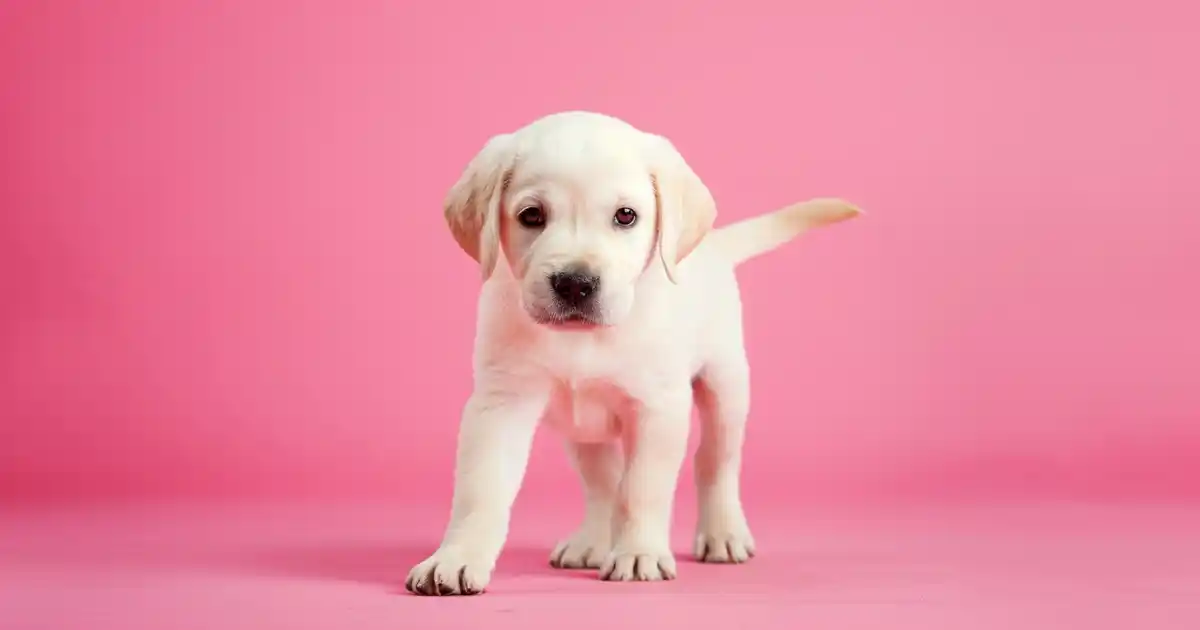
Have You Ever Wondered Why Your Puppy Still Has Energy After an Hour of Play?
Have you ever wondered why keeping a puppy entertained seems impossible until you discover the right mix of mental and physical stimulation? I used to think my energetic puppy was just hyperactive, until I learned that most puppies need brain games just as much as they need physical exercise. Now my friends constantly ask how I managed to transform my bouncing-off-the-walls pup into a content, well-adjusted dog, and my family (who thought I’d never get a moment’s peace) keeps asking for my secret. Trust me, if you’re exhausted from playing fetch for hours with zero results, these puppy play ideas will show you that quality beats quantity every single time.
Here’s the Thing About Puppy Play
Here’s the magic—effective puppy play isn’t about wearing them out physically for hours on end. What makes this work is combining different types of stimulation that engage their natural instincts while building important life skills. I never knew play could be this strategic until I started researching canine development. According to research on animal behavior and learning, structured play during puppyhood shapes a dog’s temperament and cognitive abilities for life. This combination creates amazing results because you’re simultaneously exercising their body, challenging their mind, and strengthening your bond. It’s honestly more effective than I ever expected—twenty minutes of the right activities can be more tiring than an hour of aimless running around. No complicated systems needed, just understanding what puppies actually need at different developmental stages.
What You Need to Know – Let’s Break It Down
Understanding the different types of play is absolutely crucial for raising a balanced puppy. Don’t skip learning about mental stimulation—physical exercise alone won’t create the calm dog you’re hoping for (took me forever to realize this).
Physical play includes activities like fetch, tug-of-war, and chase games that get your puppy moving. I always recommend starting with short bursts because puppies have developing joints that need protection. Yes, rough play really works for building confidence, but you’ll need to teach boundaries early so it doesn’t get out of control.
Mental stimulation involves puzzle toys, scent work, and training games that challenge their brain. I finally figured out that fifteen minutes of nose work exhausts my puppy more than thirty minutes of fetch (game-changer, seriously). If you’re looking for foundational techniques on incorporating mental challenges into daily routines, check out my beginner’s guide to dog enrichment activities for practical starting points.
Social play with other puppies teaches vital communication skills. Puppy socialization during the critical developmental window creates well-adjusted adult dogs. I used to think my puppy could socialize anytime, but the window between 3-14 weeks is absolutely critical for preventing fear and aggression issues later.
Interactive play strengthens your bond through games you play together. This builds trust, teaches impulse control, and makes training so much easier down the road.
The Science and Psychology Behind Why This Works
puppy play brain development research
10 results
How Do Puppies Minds Develop? The Science Behind Puppy Cognitionakc.org
Dog cognitive development: A longitudinal study across the first two years of life – PMCnih.gov
The puppy brain – Puppy Prodigiespuppyprodigies.org
Early Neurological Stimulation & Puppy Development – TUFTSBG2005 – VINvin.com
Puppy brain development | Royal Canin AEroyalcanin.com
Puppy neural development and conditioning | Vet Focusroyalcanin.com
Puppy Brain: How Our Dogs Learn, Think, and Lovedogwise.com
Puppy Brain: How Our Dogs Learn, Think, and Loveceladonbooks.com
Dive deeper into the evidence and psychological principles behind effective puppy play. Research from Duke University involving over 100 puppies revealed that canine cognitive abilities develop rapidly during specific windows, with self-control and executive function improving steadily through the first months of life American Kennel Club. What makes puppies different from adult dogs is their rapid neural development—by six weeks of age, a puppy’s brain reaches 70% of adult size Royal Canin, making early experiences incredibly impactful.
The fascinating part is that puppies possess adult-level learning abilities around eight weeks old, though their capacity to learn easily begins declining after sixteen weeks Puppy Prodigies. This is why strategic play during puppyhood matters so much—you’re literally shaping brain development. Studies confirm that skills involving impulse control, memory, and social communication all improve with age PubMed Central, which explains why combining different play types accelerates development better than random activity.
The emotional aspect is equally important. I’ve learned that puppies experiencing varied stimulation during critical periods develop better problem-solving abilities and social confidence. Research from canine development programs demonstrates that structured enrichment during early weeks produces measurably calmer, more adaptable adult dogs who handle new situations with less stress.
Here’s How to Actually Make This Happen
Start by creating a daily play routine that balances all four types of stimulation—don’t be me, I used to think physical exhaustion alone would create a calm puppy (spoiler: it didn’t work). Here’s where I used to mess up: I’d play fetch for an hour and wonder why my puppy was still bouncing off walls. Mental stimulation is the secret weapon most people ignore.
Morning mental workout (10-15 minutes): Begin your day with brain games before physical exercise. Hide treats around one room and let your puppy use their nose to find them. This simple scent work taps into natural hunting instincts and creates mental fatigue faster than you’d expect. My secret is starting easy—visible treats first—then gradually increasing difficulty as they improve. When it clicks, you’ll know because they’ll actually nap afterward.
Midday physical play (15-20 minutes): Now for the important part—structured physical activity that protects developing joints while building coordination. Fetch sessions should be short bursts with rest periods, not marathon runs. I learned this from my vet after overdoing it with my first puppy. Gentle tug-of-war teaches bite inhibition and impulse control when you add “drop it” commands. Swimming is phenomenal for puppies over twelve weeks because it’s low-impact yet incredibly tiring.
Afternoon training games (10 minutes): This step takes five minutes but creates lasting change in your puppy’s behavior. Turn basic obedience into play by rewarding generously and keeping sessions upbeat. Hide-and-seek with family members teaches recall while making training feel like the best game ever. “Find it” games where they search for a specific toy build focus and problem-solving skills.
Evening social time (varies): Until you feel completely confident in their social skills, prioritize controlled interactions with other vaccinated, friendly dogs. Don’t worry if you’re just starting out—even ten minutes of appropriate play with one calm adult dog teaches more about canine communication than hours with overly rough playmates. Puppy classes offer structured socialization that’s just like supervised recess for dogs, but with better behavior outcomes.
Enrichment activities throughout the day: Results can vary, but rotating different types of enrichment keeps puppies engaged. Frozen Kong toys stuffed with puppy-safe ingredients create independent entertainment. Cardboard boxes become exploration zones. Old towels with treats hidden inside become puzzle toys. My mentor taught me this trick: always have three different enrichment options available, rotating them weekly to maintain novelty.
The key is consistency without rigidity—life happens, and some days you’ll do less. This creates lasting habits you’ll actually stick with because it integrates naturally into your daily routine rather than feeling like an overwhelming checklist.
Common Mistakes (And How I Made Them All)
Don’t make my mistake of thinking more exercise automatically equals a calmer puppy—I spent weeks exhausting myself before realizing my overstimulated pup just became more wired. Overstimulation is real, and puppies need downtime to process experiences just like human toddlers do.
I used to let puppy play sessions continue until my pup showed signs of being tired, which meant I was consistently pushing past the point of productive learning. Puppies can’t self-regulate well, so ending play while they’re still engaged prevents overtiredness that leads to cranky, mouthy behavior. Now I watch for subtle signs like decreased focus or increased roughness and stop immediately.
Another epic failure: ignoring the “rest is growth” principle. Puppies need 18-20 hours of sleep daily, and I was inadvertently preventing this by offering constant entertainment. Mental stimulation should be intense but brief—think quality over quantity. Twenty minutes of engaged brain work beats two hours of aimless activity every single time.
The biggest mistake? Not adjusting play intensity for your puppy’s developmental stage. What’s appropriate for a sixteen-week-old could damage an eight-week-old’s developing joints. Learn your puppy’s breed-specific growth timeline and respect it, even when they seem to have limitless energy.
When Things Don’t Go as Planned
Feeling overwhelmed by your puppy’s energy levels? You probably need more mental stimulation mixed into your routine—that’s completely normal, and it happens to everyone. When I notice my puppy getting destructive or hyperactive despite exercise, it’s usually a sign their brain needs more challenge.
Progress stalled with training games? Don’t stress, just check whether you’re making sessions too long or too difficult. I’ve learned to handle this by breaking skills into smaller steps and celebrating tiny wins. When this happens (and it will), return to easier versions of games where your puppy experiences success, then gradually rebuild difficulty.
If your puppy seems fearful during play or socialization, that’s your signal to slow down dramatically. Pushing through fear never works—I learned this the hard way with my second puppy. Create positive associations by pairing scary things with amazing treats and letting your puppy approach at their own pace. Sometimes progress means taking three steps back to move one confident step forward.
Dealing with an overly mouthy puppy during play? This is totally manageable once you understand that mouthing increases with tiredness and overstimulation. I always prepare for this by having multiple redirection toys available and ending play sessions before my puppy gets overtired. If mouthing becomes painful, immediately stop all interaction for 30 seconds—puppies learn quickly that teeth on skin ends the fun.
Advanced Strategies for Next-Level Results
Advanced practitioners often implement specialized techniques for accelerated development once puppies master basics. Impulse control games like “wait” before releasing to chase toys build tremendous self-regulation. I discovered that gradually increasing wait times from two seconds to thirty seconds over several weeks creates puppies who naturally check in with you before acting.
Distance work transforms simple fetch into advanced training by adding stays, recalls from greater distances, and directional cues. This dramatically improves responsiveness while maintaining the playful element puppies love. When you’re ready for this level, start with just five feet of distance and build slowly—rushing this process creates confusion rather than clarity.
Scent discrimination games where puppies learn to identify specific scents among distractors tap into their incredible olfactory abilities. This isn’t just for working dogs—pet puppies absolutely love the mental challenge. My advanced version includes hiding one specifically scented item among several unscented items, rewarding only when they indicate the correct one.
Pattern games teach puppies to predict sequences, which builds confidence and reduces anxiety. The “1-2-3 pattern” where you do three reps of an easy behavior, then reward with play, creates structure that anxious puppies find incredibly soothing. Dogs who struggled with unpredictability often thrive once they understand the pattern.
Parkour-style obstacle navigation using household items develops body awareness and confidence simultaneously. Stepping over broomsticks, walking on various surfaces, and navigating around chairs creates puppies who move through the world with grace rather than clumsiness.
Ways to Make This Your Own
When I want faster results with specific behaviors, I’ll concentrate play sessions entirely around that skill—for instance, five days focusing heavily on recall games if that’s our weak area. This makes it more intensive but definitely worth it for addressing priority training goals.
For special situations like preparing for camping trips or beach vacations, I’ll add environment-specific play weeks in advance. Summer approach includes water play, sand exposure, and practicing recall near distractions. My busy-season version focuses on independent enrichment activities that don’t require constant supervision.
Accelerated Socialization Program: Sometimes I add controlled exposure to three new experiences weekly, though that’s totally optional and depends on your puppy’s temperament. For next-level results, I love rotating between different puppy play groups, novel environments, and various surface types.
Gentle Confidence Building: My anxiety-prone puppies get a modified version emphasizing choice and control. Instead of pushing through exercises, we let puppies set the pace and choose whether to engage. This creates confident dogs who trust their own decision-making.
Advanced Athlete Training: For working breed puppies or future sport dogs, my advanced version includes early proprioception work, controlled agility foundations, and advanced impulse control games. Each variation works beautifully with different lifestyle needs—busy professionals might prefer more independent enrichment, while stay-at-home owners might enjoy more interactive games.
Budget-Conscious Play: You don’t need expensive toys. Cardboard boxes, plastic bottles (supervised), and homemade snuffle mats provide endless entertainment. Parent-friendly approaches emphasize activities that tire puppies while keeping children safely involved, like supervised gentle tug or hide-and-seek games where kids hide and puppies find them.
Why This Approach Actually Works
Unlike traditional methods that focus solely on obedience or physical exhaustion, this approach leverages proven developmental principles about how puppy brains actually grow. The secret is matching activities to their neurological capabilities at each stage rather than expecting adult-dog performance from developing brains.
What makes this different is the emphasis on building positive associations with learning itself. Puppies who find mental challenges rewarding become adult dogs who actively enjoy training rather than tolerating it. The combination of physical, mental, social, and interactive play addresses all developmental needs simultaneously, creating balanced dogs rather than just tired ones.
This sustained approach prevents common behavioral problems before they start. Destruction, excessive barking, and hyperactivity often stem from understimulation rather than bad temperament. By proactively meeting those needs through strategic play, you’re essentially preventing problems rather than constantly correcting them—way less stressful for everyone involved.
Real Success Stories (And What They Teach Us)
One client’s rescue puppy arrived showing fear of new surfaces and reluctance to explore. After implementing daily novel surface exposure through play—walking on bubble wrap, textured mats, and various outdoor terrain—their puppy transformed into a confident explorer within three weeks. What made them successful was patience and never forcing the puppy onto scary surfaces, always letting choice drive the process.
Another family struggled with their adolescent puppy’s selective hearing during off-leash time. They incorporated advanced recall games during daily play, gradually increasing distractions while maintaining high reward value. Within six weeks, their puppy’s reliability improved dramatically. The lesson here is that boring recall practice fails, but recall disguised as the world’s best game succeeds.
A working breed puppy was driving their owners crazy with destructive behavior despite two-hour daily walks. Switching to 30-minute walks combined with 20 minutes of scent work and puzzle toys eliminated the destruction within days. This puppy taught me that some breeds literally need jobs, not just exercise—their brains are designed for problem-solving.
Different timelines are completely normal. Some puppies show dramatic changes within weeks while others need months of consistent work. The pattern that emerges across all success stories is consistency, appropriate challenge levels, and maintaining the fun factor that keeps puppies engaged.
Tools and Resources That Actually Help
Snuffle mats: These fabric mats with hiding spots for treats tap into natural foraging behavior. I use mine daily for 5-10 minute mental workouts that genuinely tire my puppy. Best part? You can make one yourself from fleece strips tied to a rubber mat.
Puzzle feeders: Start with easy ones like Kong Wobblers and progress to advanced puzzles as your puppy improves. I rotate three different difficulty levels to prevent boredom. The limitation is that some puppies become frustrated easily, so matching difficulty to your dog’s personality matters.
Long lines (15-30 feet): Essential for practicing recalls in open spaces while maintaining safety. I switched to these instead of retractable leashes and never looked back—the freedom lets puppies explore while you retain control.
Treat pouches: Keeps rewards accessible during play training so you can mark good behavior instantly. Timing matters tremendously in puppy training, and fumbling for treats from your pocket kills that timing.
Clicker or marker word: Helps puppies understand exactly which behavior earned the reward. I prefer verbal markers (“yes!”) over clickers for outdoor play, but both work beautifully.
Puppy-safe chew toys: Rotate varieties to maintain interest. Natural rubber toys, rope toys, and food-dispensing toys each serve different purposes. My alternative when money is tight: frozen carrots make excellent teething toys and cost almost nothing.
The best resources for evidence-based puppy development information come from veterinary behavior specialists and certified dog trainers who stay current with canine cognition research. Organizations like the American Veterinary Society of Animal Behavior provide free puppy socialization guidelines that align perfectly with this play-based approach.
Questions People Always Ask Me
How long does it take to see results with structured puppy play?
Most people notice changes in focus and calmness within the first week of adding mental stimulation to physical exercise. The real transformation happens around three weeks when new routines become habits. I usually recommend committing to thirty days before evaluating whether your specific approach needs adjustment—puppies need consistency to show their best progress.
What if I don’t have time for multiple play sessions right now?
Absolutely doable—just focus on quality over quantity. Two 10-minute high-value sessions beat an unfocused hour. I always prepare for busy days by having frozen Kongs ready and setting up independent enrichment that doesn’t require supervision. Feeding meals through puzzle toys instead of bowls turns necessary feeding time into mental workout time without adding to your schedule.
Is this approach suitable for complete beginners?
Yes, that’s exactly who benefits most. Start with the basic framework and one activity from each category. You don’t need to implement everything simultaneously—I learned that overwhelming yourself helps nobody. Pick your favorite mental game, one physical activity, and focus on those until they become automatic, then gradually add variety.
Can I adapt this method for my specific breed or situation?
Definitely, and you should. High-energy breeds need more intense activities while calmer breeds do better with gentler approaches. Working breeds require more mental challenge. Toy breeds need shorter physical sessions with joint protection. Your lifestyle matters too—apartment living calls for more indoor enrichment, while suburban homes might emphasize yard play.
What’s the most important thing to focus on first?
Mental stimulation, hands down. Most people already do physical exercise but completely miss the brain work component. If I could only choose one change for new puppy owners to implement, it would be adding 10 minutes of scent work or puzzle solving daily. This single addition prevents so many behavior problems down the road.
How do I stay motivated when progress feels slow?
Progress isn’t always linear, and that’s completely normal. I’ve learned to celebrate tiny wins—noticing your puppy choosing to lie down calmly instead of demand attention is huge progress that often goes unrecognized. Taking weekly videos helps you see improvements you’d otherwise miss. When motivation tanks, connect with other puppy owners for support and accountability.
What mistakes should I avoid when starting puppy play routines?
Don’t make it too complicated initially. The biggest mistake is trying to implement every activity perfectly from day one, getting overwhelmed, then quitting entirely. Start simple, build gradually. Also avoid comparing your puppy to others—every dog develops at their own pace, and social media highlights rarely show the messy reality behind them.
Can I combine this with other training approaches I’m already using?
Yes, structured play enhances any positive reinforcement training program. The play activities I recommend build skills that make formal training easier. Just ensure all methods you’re combining use rewards-based approaches—mixing positive and aversive techniques confuses puppies and damages your relationship.
What if I’ve tried similar methods before and failed?
Sometimes failure comes from inconsistency, unrealistic expectations, or mismatched difficulty levels. I used to quit when I didn’t see immediate results, not understanding that puppy development takes time. Revisit what specifically didn’t work—was it too complicated, too time-consuming, or just not a good fit for your puppy’s personality? This time, start smaller and build more gradually.
How much does implementing this approach typically cost?
You can start completely free using household items—cardboard boxes, towels, and treats you already buy. Budget-friendly options cost $20-40 for basic puzzle toys and a long line. Going all-in with multiple puzzle feeders, snuffle mats, and various toys might run $100-150 initially, but these items last for years. The investment prevents costly behavior problems later, making it worthwhile financially.
What’s the difference between this and traditional puppy exercise?
Traditional approaches often emphasize repetitive physical activity—long walks, endless fetch—without strategic mental challenge. This method combines physical and cognitive development intentionally, matching activities to developmental stages. The science shows that mental stimulation activates different brain regions and creates better-adjusted dogs than pure physical exhaustion ever could.
How do I know if I’m making real progress?
Look for increased calmness between activities, better focus during training, reduced destructive behavior, and improved responsiveness to cues. Your puppy choosing to settle independently rather than constantly demanding attention is huge progress. Improved sleep quality and decreased mouthing/biting also indicate you’re meeting their needs appropriately. Trust the process—even when daily progress feels invisible, monthly comparisons reveal tremendous growth.
Before You Get Started
I couldn’t resist sharing this because it proves that raising a balanced, happy puppy doesn’t require perfection—it requires understanding what they actually need and meeting those needs through enjoyable activities you’ll both love. The best puppy play journeys happen when you focus on connection over perfection, celebrating small wins while staying patient through inevitable setbacks. Your puppy is learning to navigate an entirely new world, and you’re building a relationship that will last their lifetime. Start with one simple mental game today, add physical play tomorrow, and watch as the pieces naturally come together into a routine that works for both of you.




